Japanese Etiquette: A Basic Guide for Travelers
There is a phrase in Japan, kūki o yomu, which literally translates to “reading the air.” It is the art of picking up on the quiet cues of a space – whether it’s a busy train carriage or a still zen garden – and adjusting your own energy to match it. While it’s similar to the Western idea of “reading the room,” in Japan, it feels more like a shared responsibility to maintain the atmosphere.
When I first started traveling through Japan, I realized that etiquette here isn’t just about following a set of rigid rules to avoid embarrassment. It is actually about respect. It is about ensuring that your presence doesn’t disrupt the quiet or the peace that someone else is finding in that same space.
Learning these subtle rules isn’t about memorizing a checklist; it’s about shifting how you move through a space. It’s a core part of practicing mindful travel, where observing local customs opens the door to a much deeper, calmer journey.
In a world that often feels loud and hurried, Japan moves to a different rhythm. These notes are meant to help you find that pace and move through the country with intention – leaving nothing behind but your footsteps.
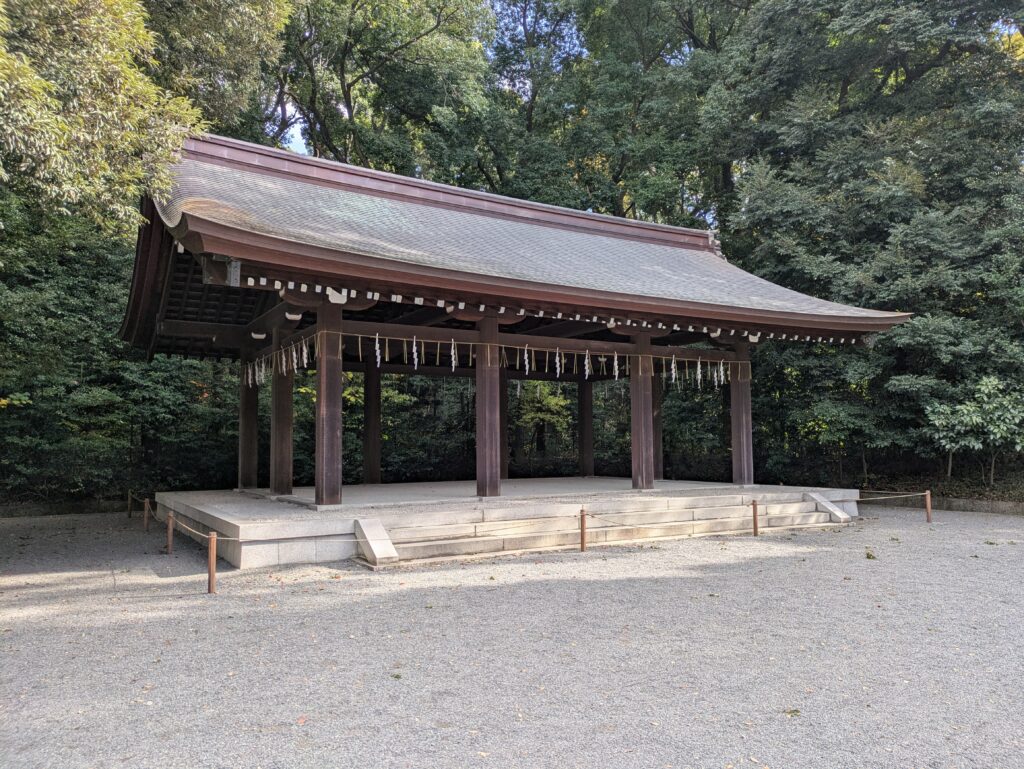
Japanese Etiquette in Public Spaces
Much of Japanese etiquette is built on moving through the world without disturbing the peace of others. Your goal is to become a seamless part of the environment.
- The Silent Carriage: Public transport is a shared quiet zone. Put your phone on silent and avoid taking calls. If you must speak to a companion, keep your voice low.
- The “No-Trace” Rule: There is a strong culture of personal responsibility regarding waste. Public bins are rare, so plan to carry your rubbish with you until you return to your hotel. If you find recycling bins, ensure you sort your items into the correct categories.
- Mindful Photography: Always look for signs before reaching for your camera. Many temples, shrines, and private properties – especially in historic areas like Gion or Kanazawa – forbid photos to preserve the spiritual atmosphere and the privacy of residents.
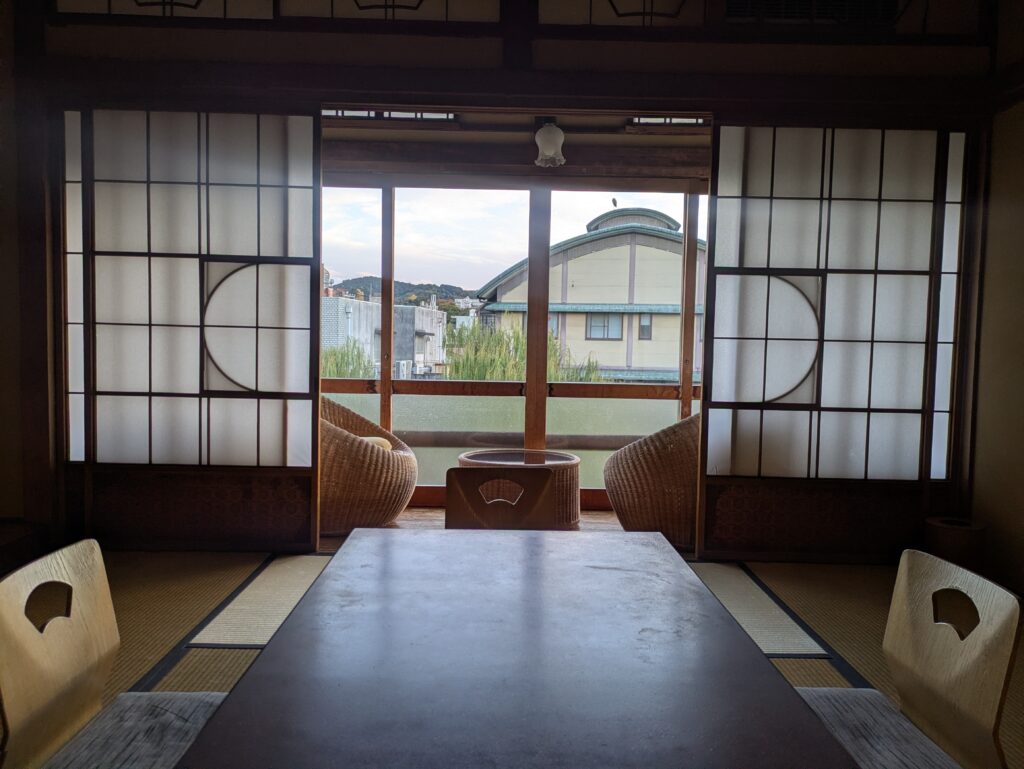
Shoe Etiquette: Entering Temples and Ryokans
Removing your shoes is a symbolic act of respect for the cleanliness and “stillness” of a home, ryokan, or temple.
- The Genkan: If you see a raised floor, a shoe shelf, or a rack, your shoes must come off. Neatly place them to the side or in the allocated area.
- Slipper Protocol: Most accommodations supply indoor slippers for hallways and living areas. However, these must be removed entirely before stepping onto Tatami (straw) mats – only socks or bare feet should touch them.
- The Toilet Swap: Many traditional spaces provide specific “restroom slippers” at the door. Swap your indoor slippers for these before entering, and – just as importantly – swap them back before you return to the main living area.
Japanese Etiquette for Payments and Gifts
In Japan, the way you handle money and personal items is a reflection of how you value the person you are interacting with.
- The Payment Tray: Most shops and restaurants use a small tray at the register. Place your cash or card there rather than handing it directly to the staff; it allows for a clean, respectful exchange where both parties can clearly see the amount.
- The Two-Handed Rule: When receiving something – a business card, a receipt, or a gift – take it with both hands and a slight nod. This small gesture acknowledges the value of the exchange.
- No Tipping: Service is a matter of professional pride in Japan. Leaving a tip can cause confusion or even distress, as staff may follow you to return “forgotten” money.
- The Polite Bow: A simple, subtle bow of the head is the universal way to show respect during any interaction.
Japanese Dining Etiquette: A Guide to Respectful Eating
Table manners in Japan are less about “rules” and more about showing gratitude for the meal and the hands that prepared it.
- Chopstick Taboos: Avoid passing food directly from your chopsticks to someone else’s, or sticking them upright in a bowl of rice. Both of these actions are associated with funeral rites and are considered disrespectful at the table. When not in use, rest them on the hashioki (chopstick rest).
- Slurping Noodles: Slurping is encouraged. It helps cool the noodles, enhances the flavor, and signals to the chef that you are enjoying the meal.
- Handheld Sushi: It is perfectly acceptable to eat sushi with your hands or your chopsticks.
- The Correct Way to Dip: Dip the fish side of the sushi into the soy sauce, not the rice. Soy sauce-soaked rice ruins the delicate balance of flavor and often causes the sushi to break apart.
- The Oshibori: The wet towel provided is specifically for cleaning your hands. Avoid using it as a napkin for your face or to wipe the table.
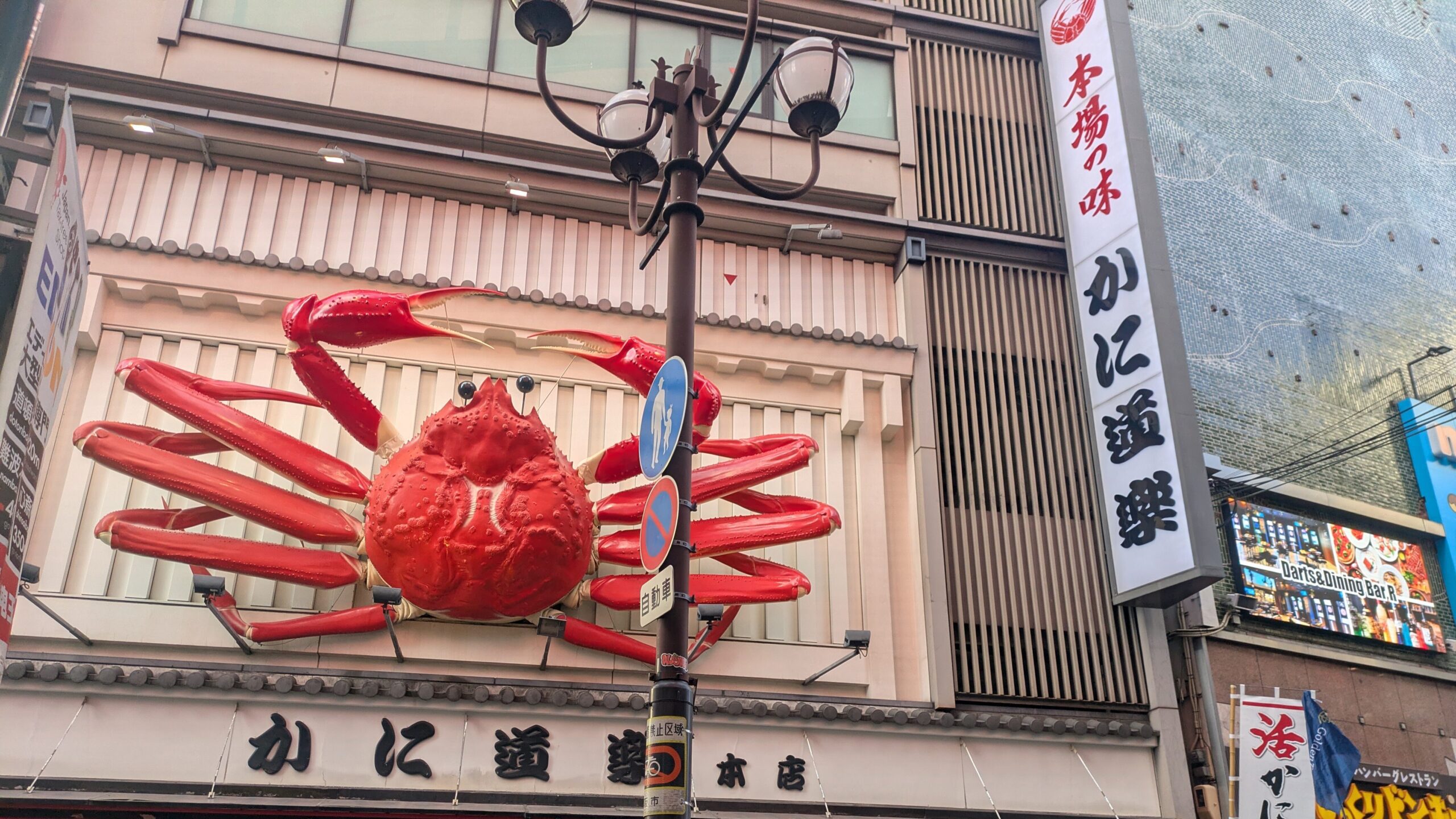
Navigating Japanese Cities with Intention
The order found in Japan’s urban centers is built on small, daily habits that allow millions of people to move in harmony.
- The Escalator Flow: While the side you stand on changes – left in Tokyo and usually right in Osaka – the goal remains the same: keeping the flow moving for those in a hurry. If you are unsure, simply pause and follow the person in front of you.
- Eating on the Go: While street food is popular, walking while eating is generally considered impolite. Most people finish their snack near the stall or find a bench before continuing their journey.
- Priority Seating: On trains, look for “Priority Seating” signs. It is polite to leave these open for the elderly, pregnant travelers, or people with disabilities. If you are in a regular seat and see someone who needs it more, standing up is a deeply appreciated gesture.
- Queueing Culture: Look for markings on the ground when waiting for trains or elevators. Queueing in Japan is an orderly process; respecting the line is a simple way to show respect for those around you.
Japanese Temple and Shrine Etiquette
Entering a shrine or temple is a transition into a space where history runs deep. These traditions are the physical language of respect for the space and those who came before you.
- The Path of the Deities: When walking the Sando (the path leading to a shrine), try to stay to the sides. The center is traditionally reserved for the Kami (deities), so moving along the edges is a sign of humility.
- The Gateway Bow: When passing through a Torii gate (shrine) or Sanmon gate (temple), it is polite to give a short bow before entering and again when leaving.
- Mind the Threshold: When entering a building, be careful not to step directly on the wooden threshold (shiki). Always step over it to respect the “border” of the sacred space.
- Incense Etiquette: At a temple incense burner (Jokoro), never blow out the flame with your breath. Use a gentle wave of your hand to extinguish it, then waft the smoke toward yourself for healing or wisdom.
- The No-Clap Rule: You clap twice at a Shinto shrine, but never at a Buddhist temple. At a temple, simply place your hands together in Gassho and pray in silence.
- The Lucky Five-Yen: The 5-yen coin (go-en) is the preferred offering because its name sounds like the Japanese word for “good fate.”
- Omikuji (Fortune) Manners: If you receive a “bad” fortune slip, do not take it home. Tie it to the designated wires at the site to leave the bad luck behind to be purified.
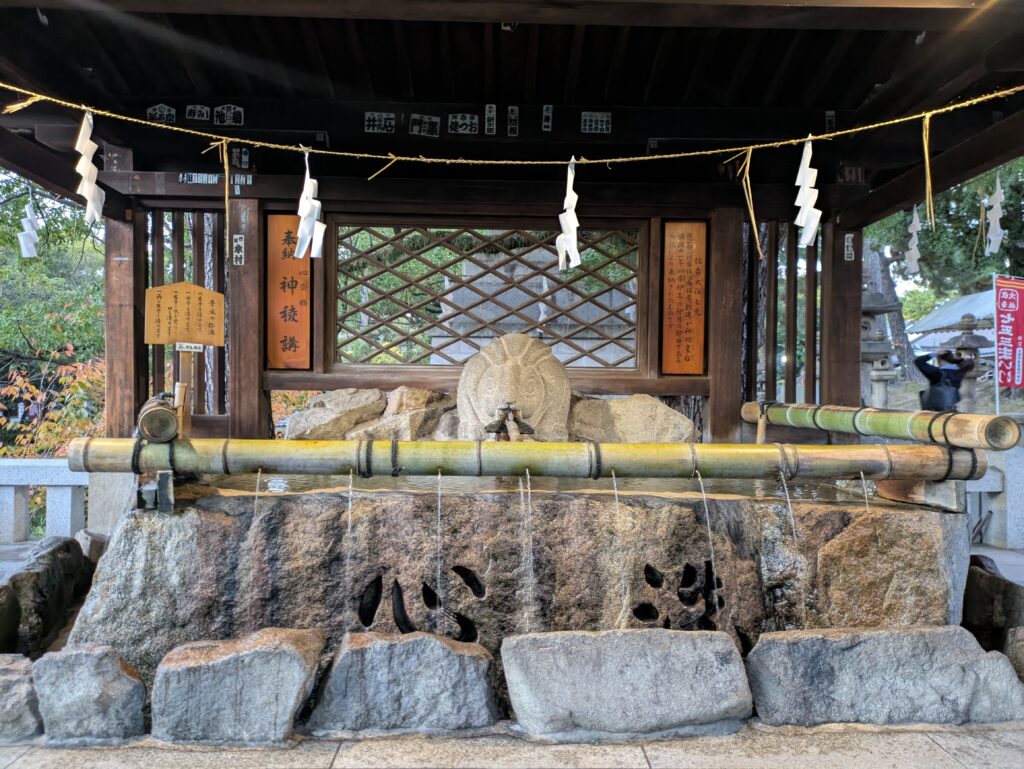
Temizuya: The Ritual of Purification at Japanese Shrines
Near the entrance of most shrines, you will find a stone water basin called a Temizuya. Participating in this ritual is a way to physically and symbolically cleanse yourself before approaching the deities.
- Take the ladle with your right hand and scoop water.
- Pour water over your left hand to cleanse it.
- Switch the ladle to your left hand and rinse your right hand.
- Switch back to your right hand, pour water into your left palm, and use that to rinse your mouth (Do not touch the ladle directly to your lips).
- Lightly rinse your left hand again.
- Hold the ladle vertically to let the remaining water flow down the handle, purifying it.
- Return the ladle to its original position.
If you’re interested in the “why” behind these rituals, I’ve shared more in my guide to Mindful Travel. It’s a deeper look at how slowing your pace actually changes your experience.
Final Thoughts: The Art of Effort
If this feels like a lot to remember, take a breath. Being a mindful traveler in Japan isn’t about achieving perfection—it’s about showing effort. The locals recognize and appreciate when a visitor tries to “read the air”. By slowing down and moving with intention, you aren’t just a tourist; you become a welcome guest in a culture that values harmony.
During your travels, let the locals be your guide. Etiquette in Japan is a living thing, shifting from the busy streets of Shinjuku to the quiet paths of Kyoto. If you ever feel unsure, simply pause, observe, and move with the same gentleness you see in those around you.
In the end, the most beautiful part of “reading the air” isn’t just that you’re being respectful—it’s that it forces you to be truly present. And that is where your real connection to Japan begins.
If you want to read more about the internal peace this rhythm creates, I’ve shared a personal reflection on finding my Quiet Frequency in Japan.