Coastal Volcanos and Capybaras: A Day in Izu Kogen
Most people haven’t heard of the Izu Peninsula when they first start planning a trip to Japan, but it’s a region that should definitely be on your list. While I chose to base myself in the nearby seaside town of Ito, I quickly found that just a short distance away is a landscape that feels entirely different—peaceful, dramatic, and surprisingly rich in history—all at once.
This specific stretch of the eastern coast, known as Izu Kogen, feels like a world of its own. It’s where you’ll find Mt Omuro, a perfectly round, grass-covered volcano that watches over the area, and the Jogasaki Coast, where ancient lava meets the Pacific in a series of jagged cliffs.
And right in the middle of it all is Izu Shaboten Zoo—a strangely wonderful place where cacti and capybaras somehow make perfect sense together. Whether you are coming from a nearby town or visiting as a day trip from Tokyo, these three spots are a perfect way to see a more rugged side of Japan.
Note: This post contains affiliate links. If you book through them, I may earn a small commission at no extra cost to you. I only recommend places I’ve actually visited!
The View from the Top: Mt Omuro
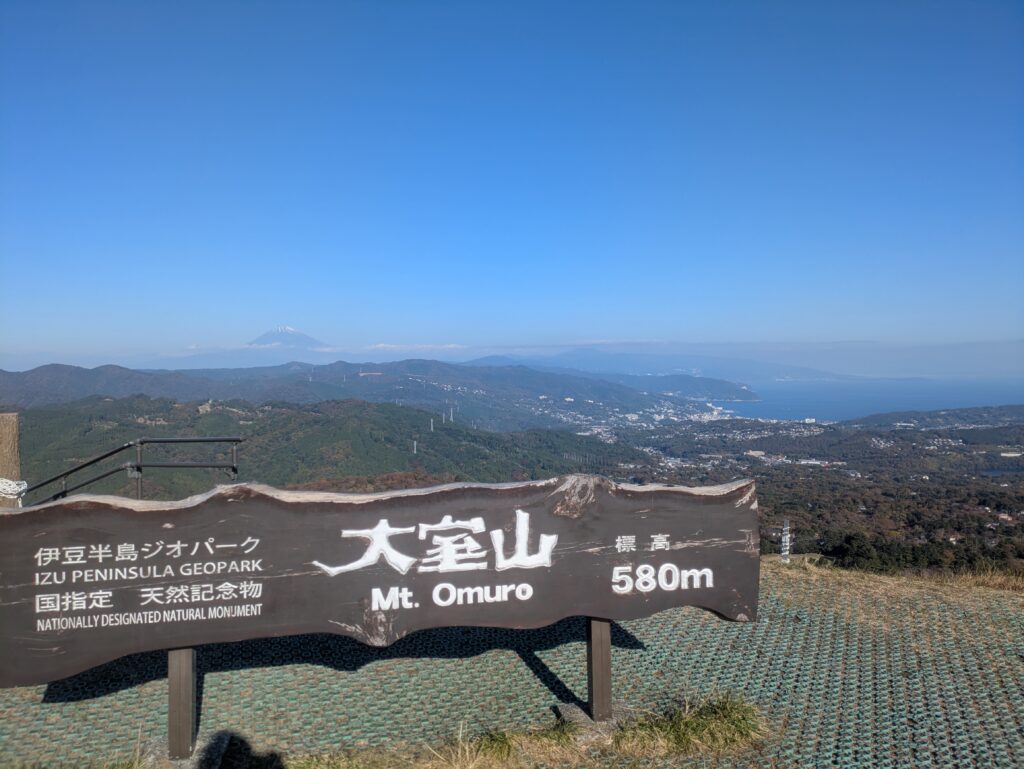
Our day started early with a local bus from Ito to Mt Omuro, a 4,000-year-old extinct volcano. I chose to visit here first to beat the crowds, and arriving about 15 minutes before the 9:00 am opening meant there were only a handful of other families waiting. In typical Japanese fashion, the ticket windows opened on the dot. We were greeted with such a warm welcome; the staff were genuinely excited to hear we’d come all the way from Australia.
After being directed to the chairlift (which isn’t nearly as scary as it looks!), we started the climb. About halfway up, we were treated to our first glimpse of Mt Fuji on a stunningly clear day.
Walking the Rim
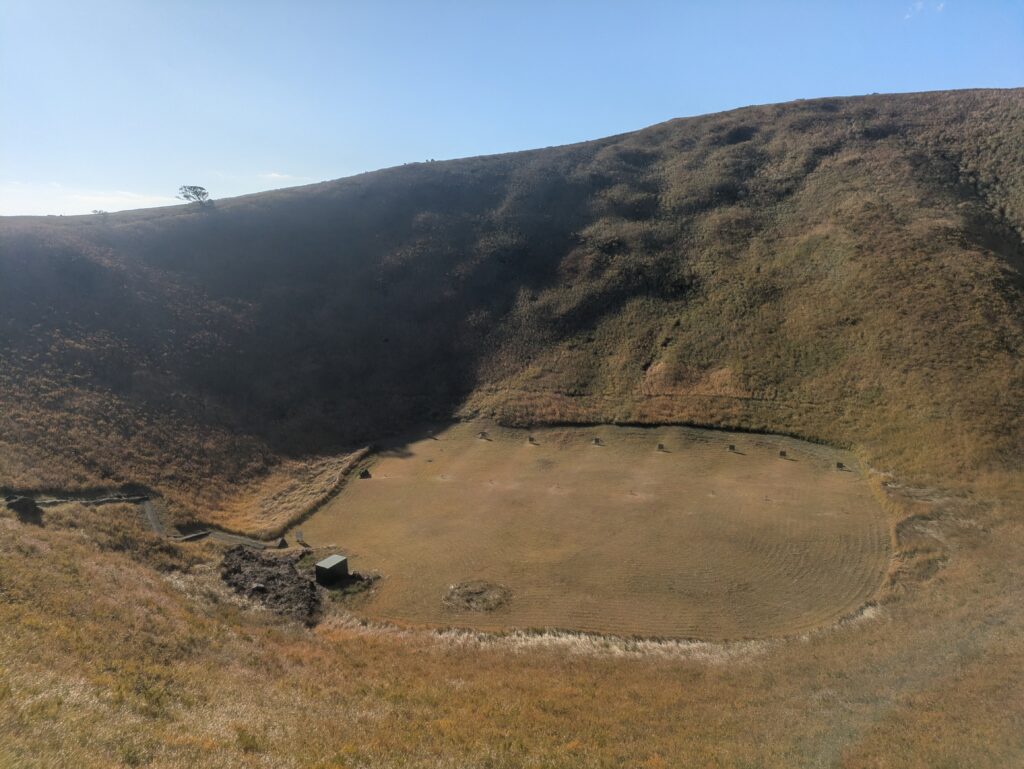
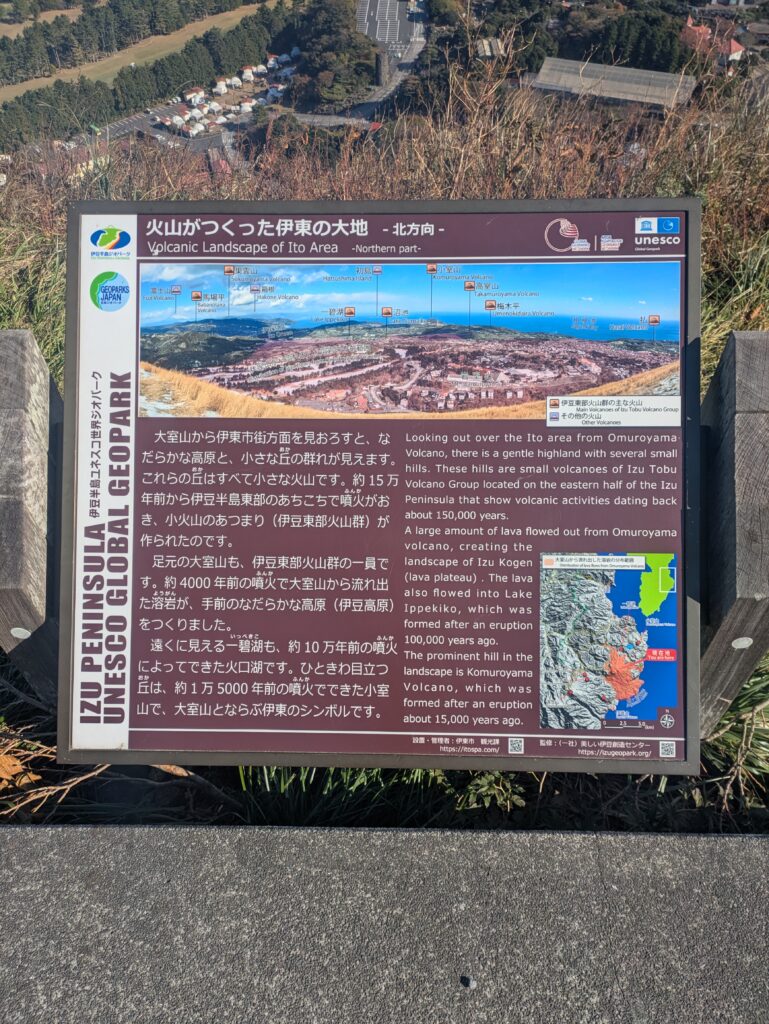
Getting to the top gives you a real sense of the scale of this place. The crater is about 300 meters across, and its unique “inverted bowl” shape is actually why the rest of the day’s itinerary exists. When Mt Omuro erupted 4,000 years ago, its lava flows reshaped this entire region, creating the Izu-Kōgen plateau and the rugged Jogasaki Coast we were headed to later. It’s now protected as a national natural monument, and standing on the rim, you can see why.
You can walk the entire circumference of the crater, which offers 360-degree views in every direction. Along the path, you’ll pass various statues and the Sengen Shrine, which is tucked right into the crater. Historically, it’s been a pilgrimage site for women seeking safe childbirth and family well-being, honoring the goddess of endurance and long life—which feels appropriate given the mountain has stood here for four millennia!
For those feeling adventurous, you can even walk down into the grassy center of the crater to play a game of archery. We opted for a slower pace, taking in the views from every angle before heading back down the chairlift with that beautiful view of Mt Fuji framed right in front of us again.
Izu Shaboten Zoo: Cacti and Capybaras
After around an hour at Mt Omuro, we wandered literally across the road to Izu Shaboten Zoo (AKA Izu Cactus Park). The zoo definitely lives up to its name, with cacti everywhere you look.
At the ticket counter, we were asked if we had been to Mt Omuro. Because we had, we just had to show our tickets and we received a small discount on our zoo entry. If you aren’t planning to visit the mountain first, you can also [book your tickets online in advance here] to skip the queue and stay organized. Note: Don’t be confused if the booking page mentions ‘Nagoya’—I promise this is the correct link for the zoo in Izu Kōgen!
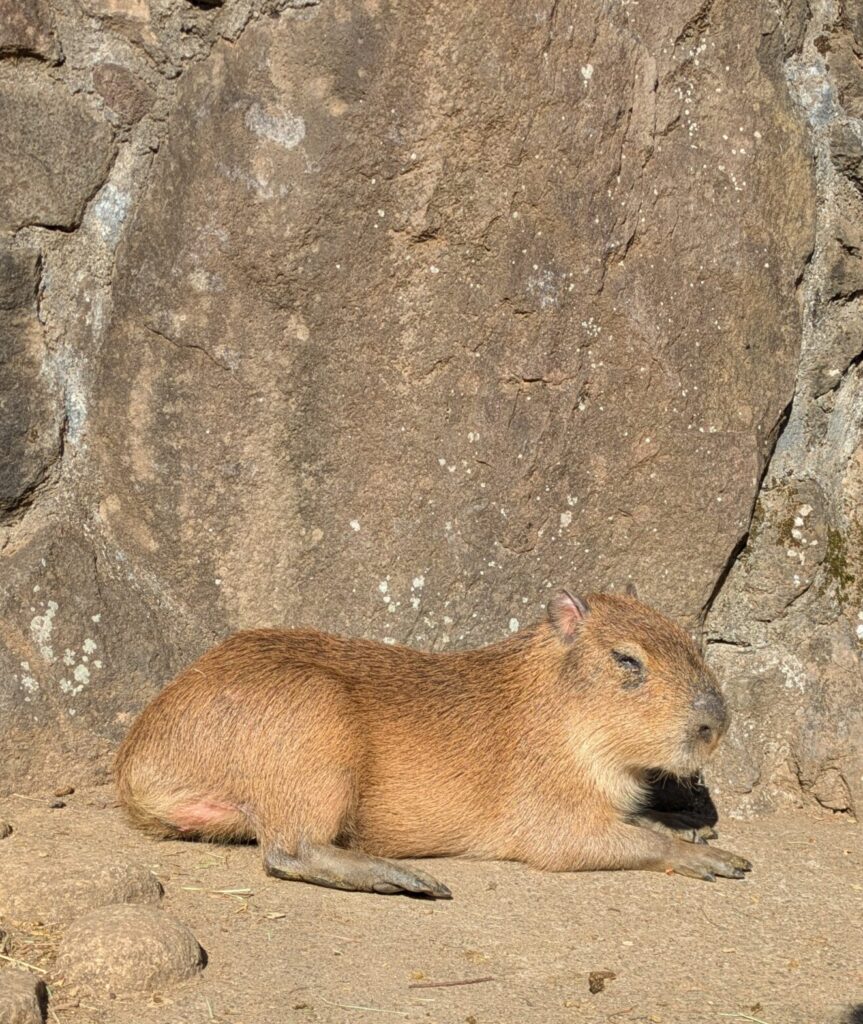
Wandering in, we quickly came across a petting zoo area with double gates. Then I saw them—capybara! A bit of a craze at the moment but a long-standing favorite of mine, these lovable rodents are even more cute in person. Their hair is very thick and rough, but their personality reminded me of a dog—happy to be petted and they love food. They seemed completely unbothered, sunbaking on this beautiful clear morning.
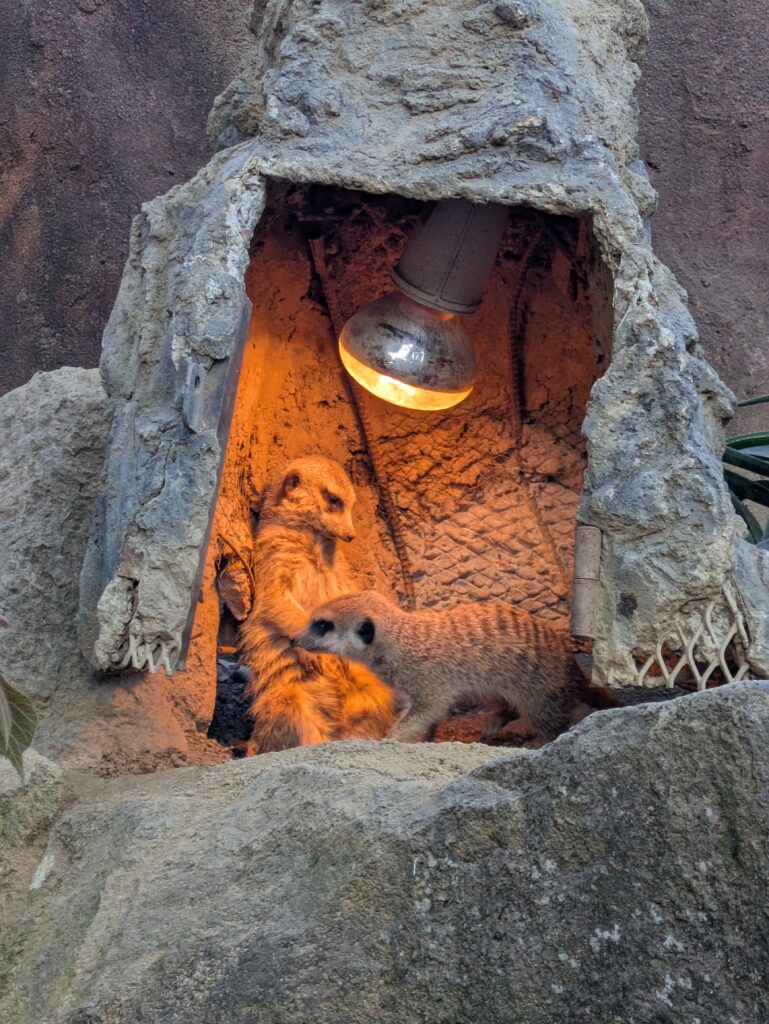
They have around 140 different species here; including flamingos, red pandas, monkeys, and fennec foxes. They even had an Australian section with kangaroos and emus, which felt totally random seeing the animals we are so familiar with at home at a zoo in Japan.
The Original Capybara Bath & Glass Pyramids
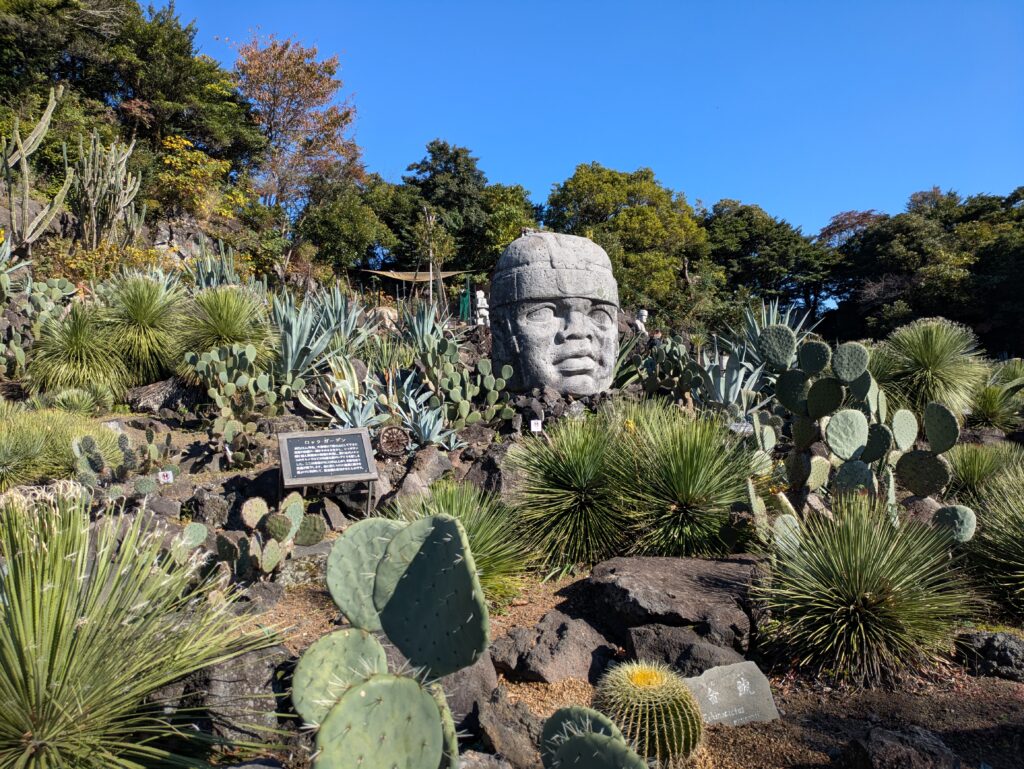
Wandering further, it wasn’t just the animals that took our interest. We found the cactus greenhouse area—huge glass pyramids connected by underground tunnels, filled with over 1,500 types of cacti. It was very random, but very cool to see.
The best part of the few hours we spent here was watching the capybaras in the main exhibit. This is the birthplace of the original “capybara bath.” Every day in winter, the warm baths are filled and yuzu (Japanese citrus) is placed in the water for the capybaras to soak and enjoy. Seeing them so relaxed in the steam is exactly as peaceful as it looks.
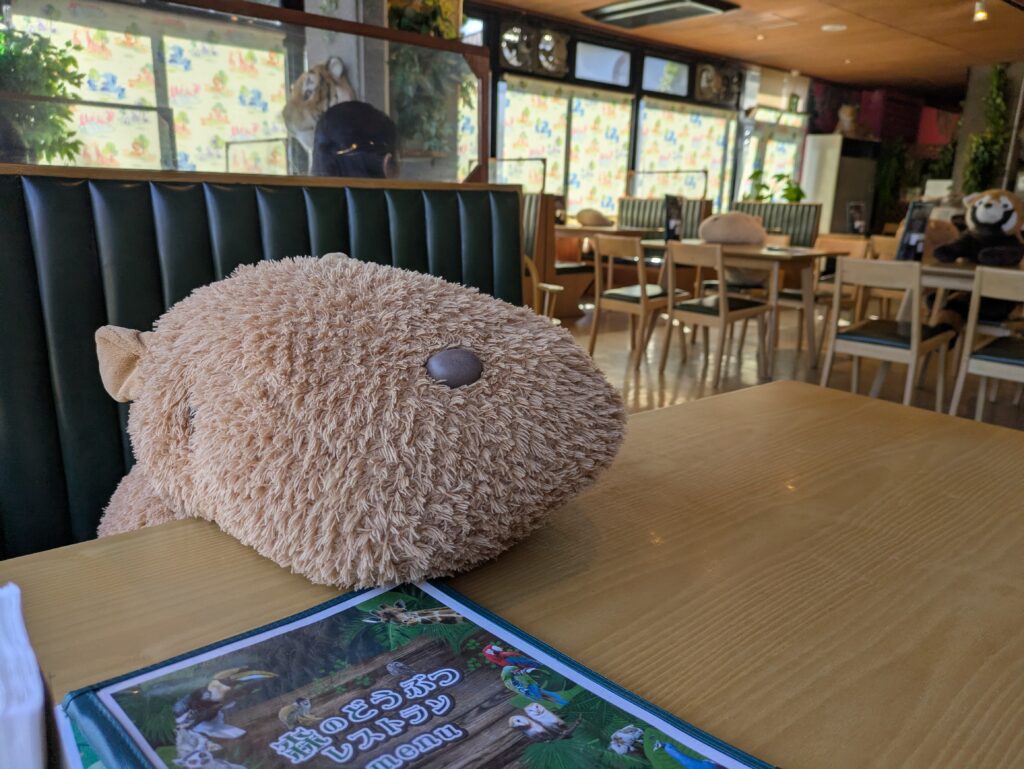
We stopped for lunch just before wrapping up this portion of the day. I had the hambagu, which was delicious, in a restaurant filled with toy flamingos and plush capybaras sitting at each table. There were a few things we saw but didn’t do, like the animal boat tours where you can see the animals from the water, and multiple opportunities to feed and interact with the wildlife.
Extending the Journey: The Jogasaki Coast
While our day ended a bit early due to a very tired and cranky eight-year-old, there is so much more to see in this area if your family has the energy to keep going. If I were planning this day again (and the mood was right!), these would be the next two stops:
The Jogasaki Coast & Kadoshizawa Suspension Bridge
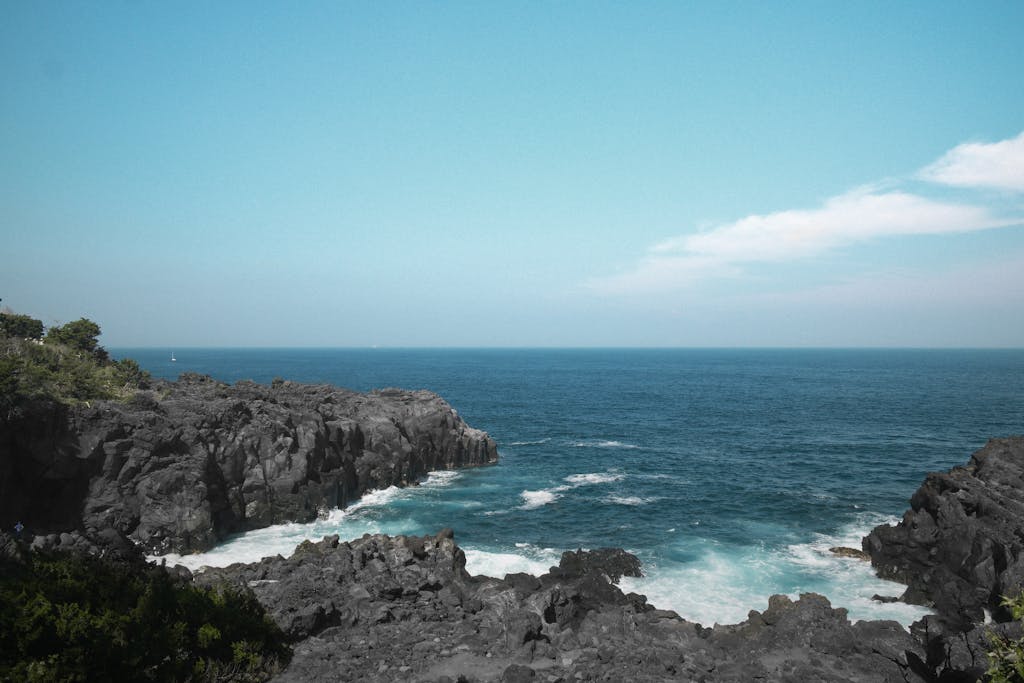
This is where the story of Mt Omuro truly ends. The dramatic cliffs were formed by the volcano’s ancient lava hitting the Pacific Ocean. The highlight here is the Kadoshizawa Suspension Bridge, which hangs 18 meters above the crashing waves. It’s about a 20-minute walk from the nearest station or a short bus ride from the zoo.
Izu Teddy Bear Museum
If you’re traveling with kids (or just love quirky Japanese museums), the Izu Teddy Bear Museum is a hidden gem located right near Izu-Kogen Station. It’s famous not just for its massive collection of bears, but for the permanent My Neighbor Totoro exhibition on the second floor, featuring a giant, plush Catbus you can actually touch. You can [grab a discount ticket on Klook here]—it’s a lovely, low-energy way to wrap up the day.
Logistics: Getting Around Izu Kōgen
Planning the transport in Izu can be a bit of a puzzle, but once you’re on the ground, the connections are fairly straightforward.
From Tokyo or Ito
Most visitors arrive via the train lines from Tokyo or base themselves in a nearby town like Ito. If you’re coming from Tokyo for the day and want to avoid the stress of matching up train and bus times, a [guided day trip] handles the logistics for you.
However, if you are traveling independently:
- From Ito Station: Take the local bus from Platform 6 directly to the Izu Shaboten Koen stop. It’s a 35-minute ride that drops you right between the mountain and the zoo.
- From Izu-Kōgen Station: If you are coming from Atami or further afield by train, get off here and catch the 15-minute bus to the same stop.
Continuing to the Jogasaki Coast
If you have enough energy left after the zoo to head to the coast, you have three main options depending on how everyone is feeling:
Option | How to do it | Best for… |
Bus & Walk | Bus from the zoo to Izu-Kōgen Station, then a 20-minute walk through the forest. | Seeing the local neighborhoods. |
Taxi | A 15-minute drive directly from the zoo to the trailhead. | Saving energy for the bridge. |
Hike | The 2-hour “Picnic Course” trail from the plateau down to the sea. | Couples or families with older kids and more time. |
Final Thoughts: A Day in Izu Kōgen
Our day in Izu Kōgen was a good reminder of why I don’t lock in every detail of an itinerary. Traveling with a school-aged child means being flexible; sometimes the day goes perfectly, and sometimes you have to call it early when everyone hits a wall.
Even though we didn’t make it to the suspension bridge this time, standing on the rim of a volcano and watching a capybara soak in a yuzu bath were more than enough for one day. The Izu Peninsula feels worlds away from the rush of Tokyo. It’s rugged, beautiful, and a little bit quirky—exactly the kind of place that rewards you for slowing down and just seeing where the day takes you.
Footsteps in Japan is a participant in affiliate programs. This means that when you click on links to various sites and make a purchase, this can result in a commission that is credited to this site. This helps keep the blog running—thank you for your support!