Mindful Travel:
The Art of Slowing Down
Traveling is often seen as a way to escape our daily routines, as a way to recharge and unwind, but a lot of the time we end up doing anything but recharging. We get home with some amazing experiences but more exhausted than we left after cramming as much in as possible and not stopping to smell the roses while they’re right in front of you. What I mean by that is basically, ticking off bucket list items one by one, rushing from place to place, but never truly experiencing each place as much as we could or should.
Mindful travel encourages us to engage deeply with our surroundings, respect the cultures we encounter, and leave only memories behind. This philosophy is particularly resonant in a country like Japan, known for its rich traditions and natural beauty, but it can be applied to any destination around the globe.
How to Practice Mindful Travel
Mindful travel is about being fully present in the moment and conscious of how your choices affect the environment and people around you. It is the difference between simply passing through a place and actually experiencing it.
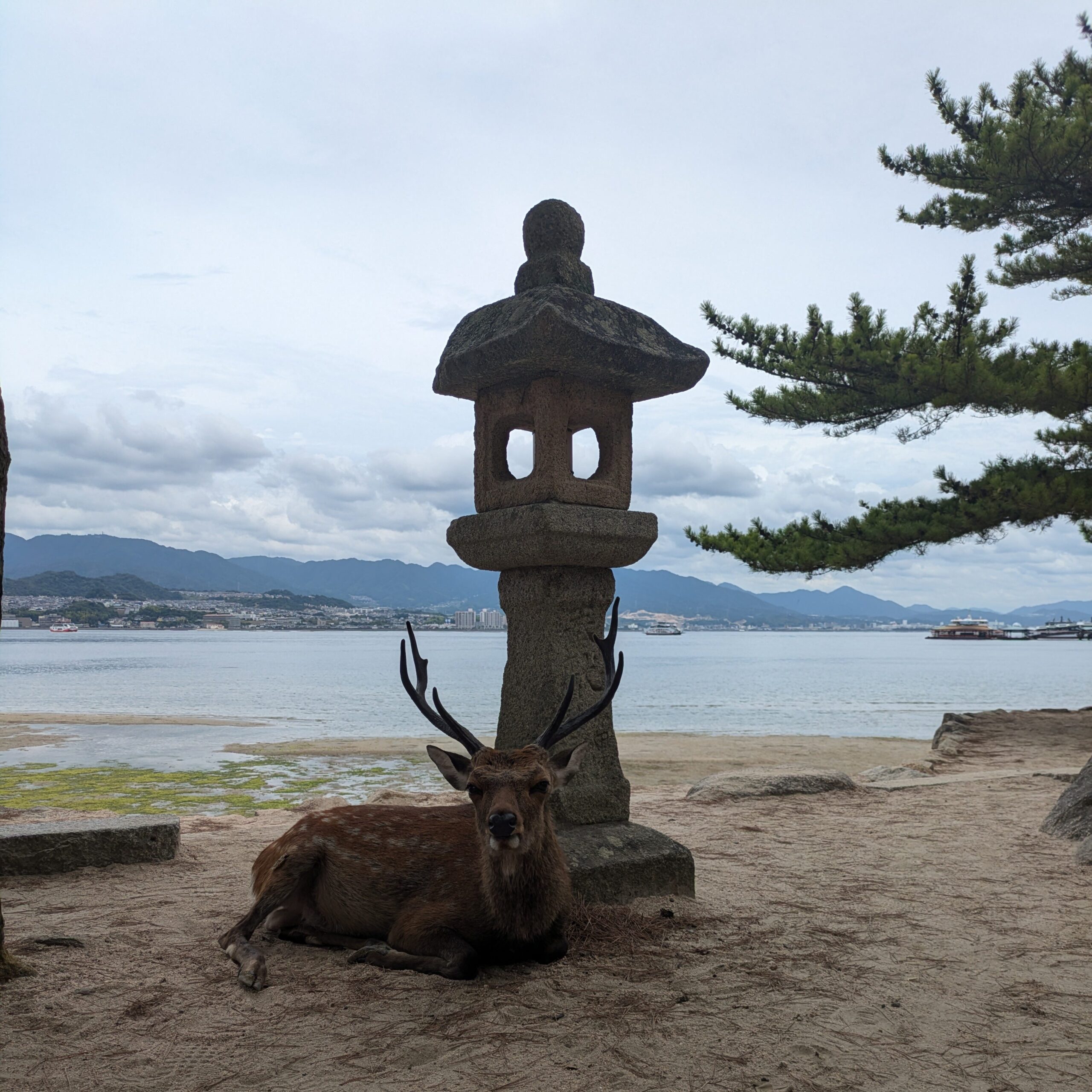
Leave No Trace: This isn’t just for hikers; it’s about making sure the places we love stay exactly the way we found them. Disposing of rubbish properly, staying on designated paths, and leaving wildlife alone makes a massive difference. We are guests in these spaces, whether it’s a national park or a quiet neighborhood street.
Take Only Memories: We’ve all heard the phrase “take only memories, leave only footprints,” and it really is the heart of this philosophy. It’s a reminder to savor the moment rather than just viewing the world through a phone screen. It is fine to want a photo, but try to really see the place first. If you’re just snapping a quick picture to tick it off a list, you aren’t really traveling—you’re just collecting data.
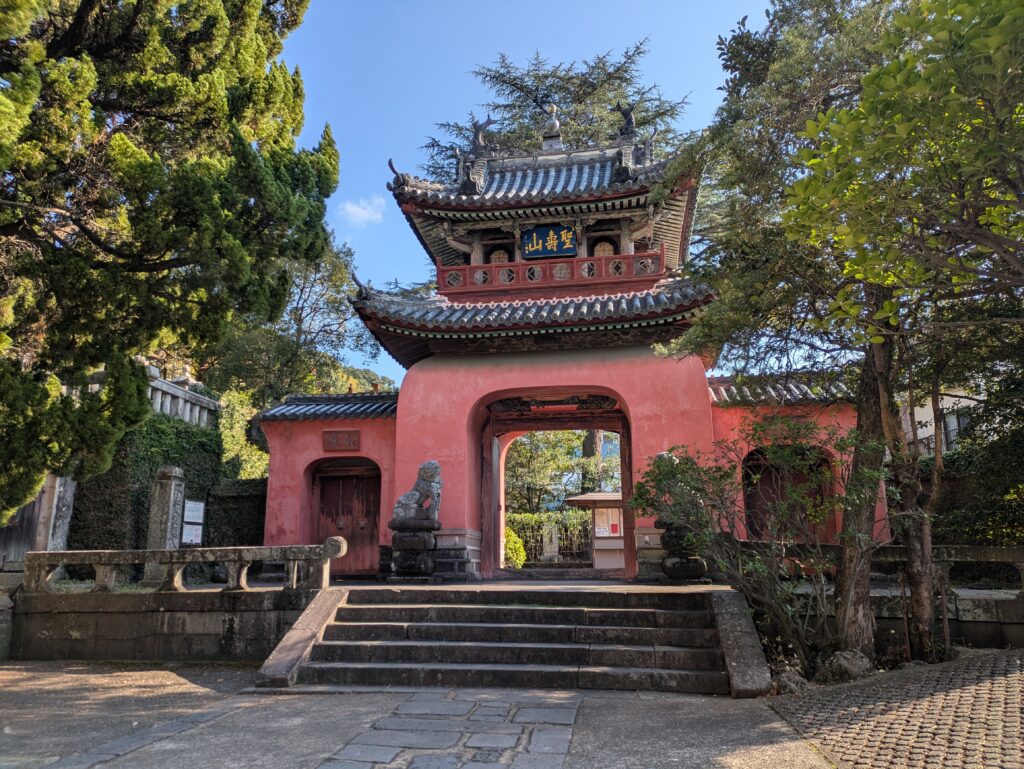
Respect Local Cultures: Every country has its own customs. I find that the more I know about a country, the better the experience I have while I’m there. Go out of your way to research the places you are visiting – as I’ve shared in my Japanese Etiquette Guide – to help you observe traditions with more depth. It is important to know when to step back and give space to those practicing their faith or daily traditions. Visiting temples and shrines should be done with respect and patience, ensuring your presence doesn’t disrupt someone else’s peace.
Leave a “Quiet Trace”: Just as we aim to leave the physical environment untouched, we should aim to leave the social environment undisturbed. This means observing the beauty of a culture without interrupting the people actually living it.
Finding the Soul of Japan Off the Beaten Path
While mainstream tourist destinations are the first to appear in search results, the true essence of a place is usually found away from the crowds.
Connect with the Locals: Taking the time to understand local perspectives enriches your journey. Even with a language barrier, learning a few basic phrases or using a translation app shows that you are making an effort to “read the air” of the community.
Seek Out Hidden Gems: Even in busy cities like Tokyo or Kyoto, you can find quiet spaces. This might mean choosing a neighborhood shrine or a local market over a famous landmark. Some of the best experiences come from wandering a side street and finding a “mom and pop” restaurant that hasn’t made it onto TripAdvisor yet.
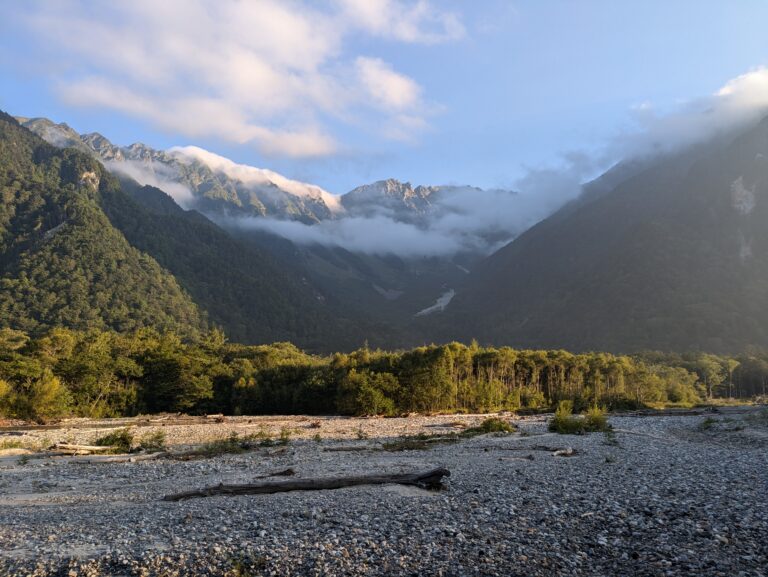
Get Out of the City: While Tokyo and Kyoto are incredible, the most impactful moments often happen in places that require a bit more effort to reach—perhaps involving a specific train line, a local bus, or a short hike. These quieter regions allow for the “stillness” that is harder to find in the major hubs. It’s that exact feeling of stepping off a local bus into the crisp air of the [Northern Alps in Kamikochi], where the city noise is instantly replaced by rushing glacial water.
Why Slowing Down is Better for Your Health
Slowing down isn’t just about the scenery; it’s about your biology. Constant, high-intensity travel keeps your body in a “go” state that naturally spikes cortisol, your stress hormone.
Real Restoration: This “rest and digest” state is where physical healing and deep relaxation happen. It is the difference between returning from a trip needing a “vacation from your vacation” and actually feeling recharged.
The Hidden Build-up of Cortisol: Cortisol doesn’t just appear when you are visibly “stressed” or irritable; it builds up during any nonstop, high-pressure schedule. By intentionally slowing your pace, you aren’t just improving the quality of your trip—you’re actively lowering your physiological stress levels and giving your nervous system a chance to reset.
The Sympathetic vs. Parasympathetic State: High-speed travel keeps you in the Sympathetic Nervous System (the “fight or flight” response). In contrast, mindful travel triggers the Parasympathetic Nervous System, often called the “rest and digest” state.
Practical Tips for Mindful and Intentional Travel
Regardless of where your next journey takes you, these habits help keep your trip focused and low-stress.
Support Local Businesses: Whenever possible, choose local restaurants, stay in family-run guesthouses, and buy handmade souvenirs. Balancing convenience with local investment ensures your travel has a positive impact on the community economy.
Plan with Purpose: Research your destination and choose activities that truly align with your interests, rather than just checking off a “must-see” list. Use a map to group sights by distance; minimizing back-and-forth travel preserves your energy and creates more space for slowing down.
Travel Light: Packing only the essentials makes the physical act of moving between locations much smoother. This is particularly easy in Japan, where most hotels and apartments provide laundry facilities, allowing you to pack significantly less.
Practice Gratitude: Take a moment to acknowledge your surroundings and stay present in the experience. Recognizing that travel is a privilege helps you stay mindful and avoid taking the journey for granted.
Final Thought: Choosing Quality Over Quantity
Mindful travel isn’t about achieving perfection or following a strict set of rules. It is simply about making a conscious choice to prioritize the quality of your experience over the quantity of locations you can tick off a map.
Whether you are navigating the quiet streets of a Japanese village or exploring a city closer to home, your body and mind will benefit from slowing down. By reducing the pace, you return home with lower cortisol levels, deeper memories, and the satisfaction of knowing you left the places you visited exactly as you found them.
Travel is a gift. The next time you find yourself rushing to catch a train just to see one more temple, take a breath, look around, and consider staying exactly where you are for a while. Often, those unplanned moments are where the most authentic connections happen.