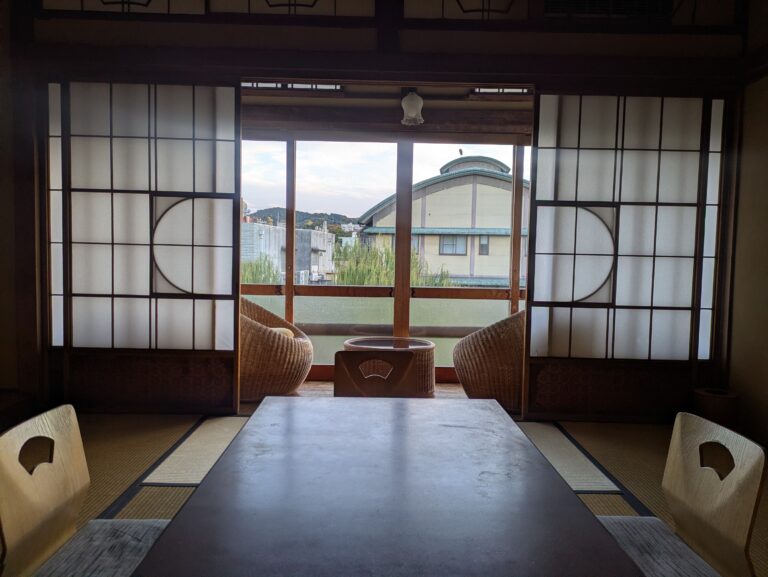
Nagasaki Deep Dive: Things to Do, Places to Stay, and Where to Wander
Nagasaki is a place that kept calling to me while I was researching Kyushu; I felt I couldn’t travel all that way and not visit. This is a city of resilience and quiet beauty, where the best moments are found simply wandering the streets or following the river without a plan.
The city feels calm and comforting—like someone who knows exactly who they are, has been through a lot, and has come out stronger for it. I feel like I say this about many places I visit in Japan, but I’d love to spend more time here; not to do anything in particular, but just to “be” for a while. With that said, welcome to the Nagasaki deep dive, featuring things to do, places to stay, and advice on where to simply wander.
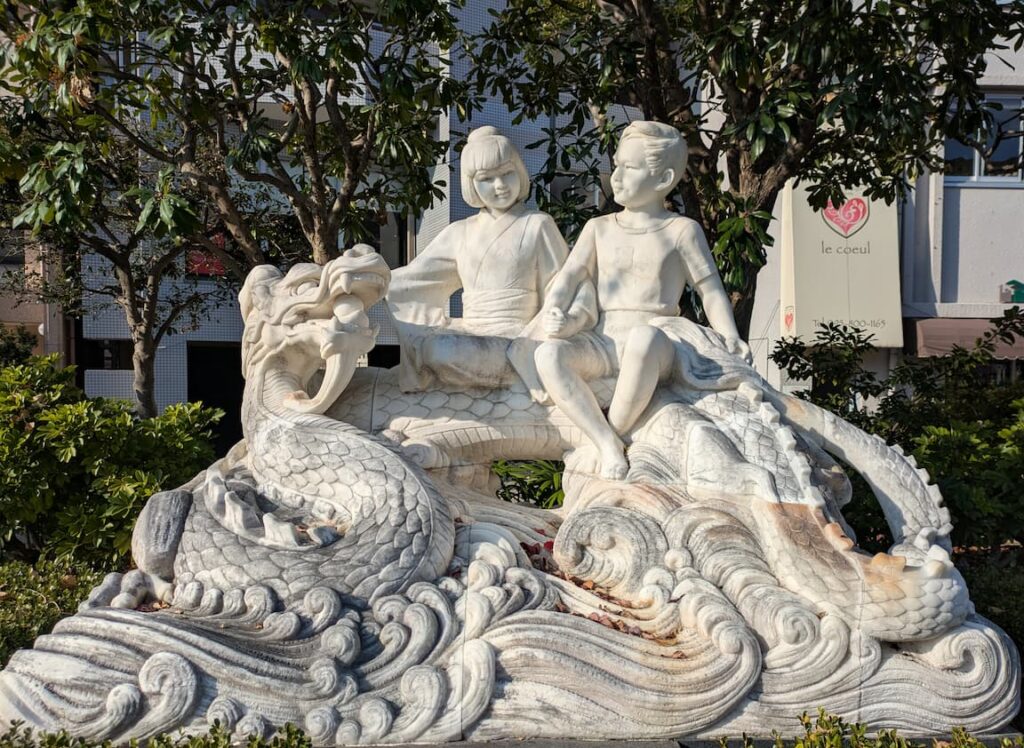
This statue pictured above, tucked away near the Nakashima River, is a perfect symbol of that resilience I mentioned. It’s a monument to the city’s recovery from the 1982 floods, showing a Japanese girl and a Chinese boy riding a dragon over the waves. It’s a reminder that Nagasaki’s beauty isn’t just in its famous sights, but in the layers of history you find when you slow down.
To help you find your own moments of “just being” in this incredible city, I’ve broken this deep dive into three parts: where to base yourself, the sights worth your time, and—most importantly—the best places to simply lose yourself in the streets.
Where to stay in Nagasaki
While many guides will suggest staying nearby the bustle of Nagasaki Station or near the neon lights of Shinchi Chinatown, there are many other areas that are just as accessible but offer a completely different energy. There’s nothing wrong with the convenience of a tourist hub, but if you really want to get a sense of the city’s character and lean into a slower travel vibe, sometimes the best discoveries happen just a few stops down the line.
Whether you’re looking for the effortless efficiency of the main transit hubs or a quiet morning along the stone-paved riverbanks, here is a breakdown of the neighborhoods I explored.
The Nakashima River District (Meganebashi) — My Top Choice
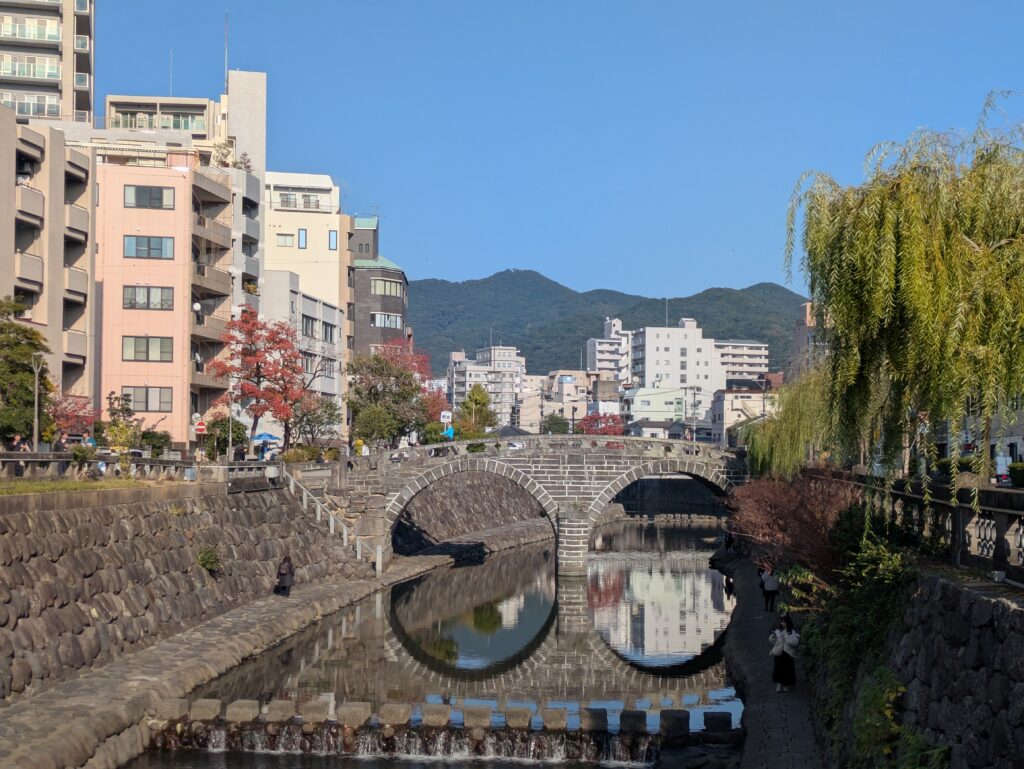
If you’re looking for the soul of the city, start here. With its arched stone bridges and willow trees trailing into the water, this neighborhood feels like a fragment of the city that has remained untouched by the rush of the modern world. It’s peaceful, timeless, and feels very “intentional.”
Why Stay Here: For a stay that feels grounded. It’s flat, easy to walk, and you’d rather wake up to the reflection of the river on your walls than the generic hum of a transit hub. It’s the perfect base for exploring local handmade shops.
Teramachi (The Temple District)
Tucked into the foothills, this area is lined with ancient Zen temples. It is spiritual and silent, feeling worlds away from the city’s neon lights even though it’s just a short tram ride away.
Why Stay Here: If you value silence and traditional architecture. It’s the kind of place where you spend your mornings wandering through temple gates before the rest of the city even wakes up. Just be aware that some of the boutique stays here might involve a slight uphill walk.
Minami-Yamate (Glover Garden Area)
This is the “romantic” side of Nagasaki, with a distinct European flair and harbor views that are arguably the best in the city. It’s historic and beautiful, but it comes with a physical price.
Why Stay Here: It’s a photographer’s dream, especially at sunset. Stay here if you don’t mind a bit of a daily “leg workout”—Nagasaki is famously hilly, and while the “Glover Sky Road” elevator helps, you’ll definitely be hitting your step count.
Nagasaki Station & Surrounds
Modern, streamlined, and bustling. It’s the gateway for the new Shinkansen and the first thing most travelers see when they arrive.
Why Stay Here: Convenience, plain and simple. If you have a tight schedule, heavy luggage, or a very early Shinkansen to catch, this is the “easy” choice. It’s 0 minutes from the platform to your check-in desk, but you’ll need to jump on the streetcar to find the character of the city.
Shinchi Chinatown & Surrounds
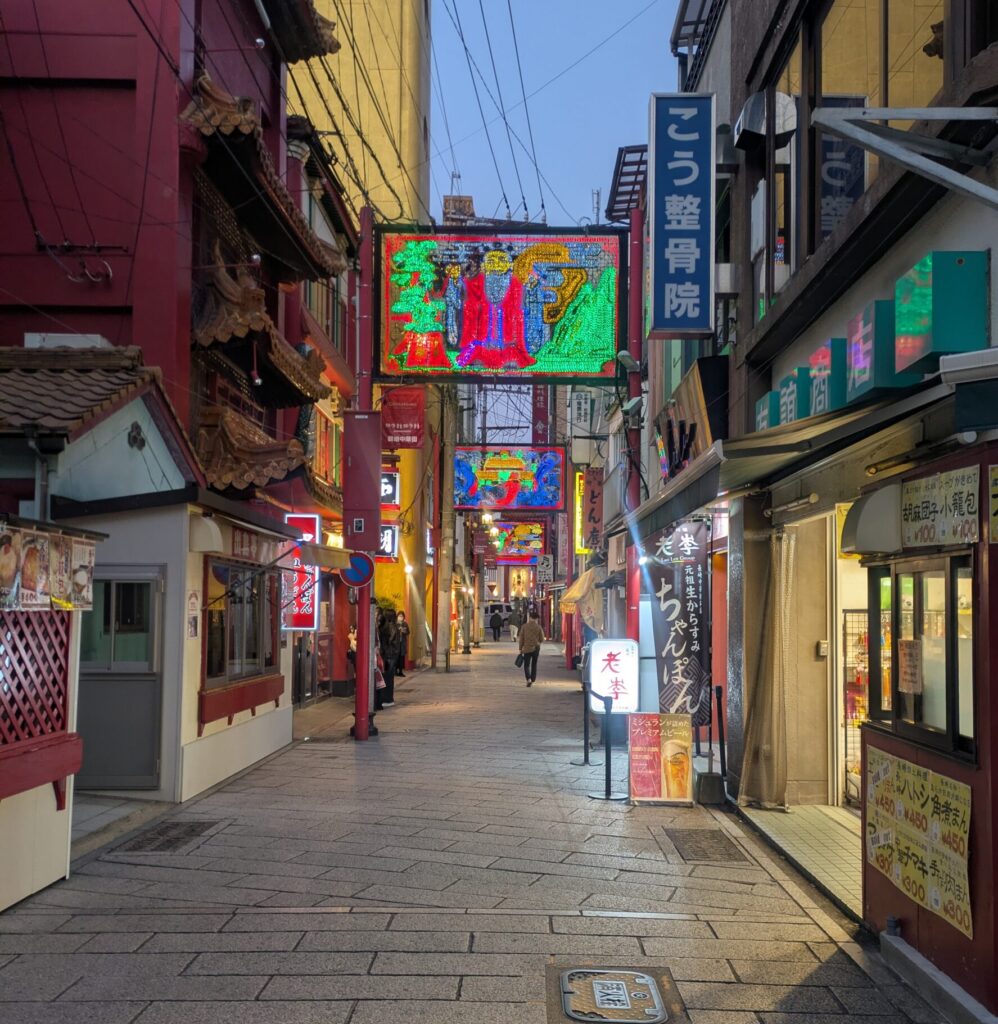
This is the culinary heart of the city. The energy stays high well into the evening, and the scent of Champon is everywhere. It’s bright, busy, and centrally located.
Why Stay Here: If you want to walk out of your hotel and straight into the best food scene in the city. It’s a major streetcar hub, making it the most geographically central place to stay if you’re planning to head in every direction.
A few things to know before you arrive
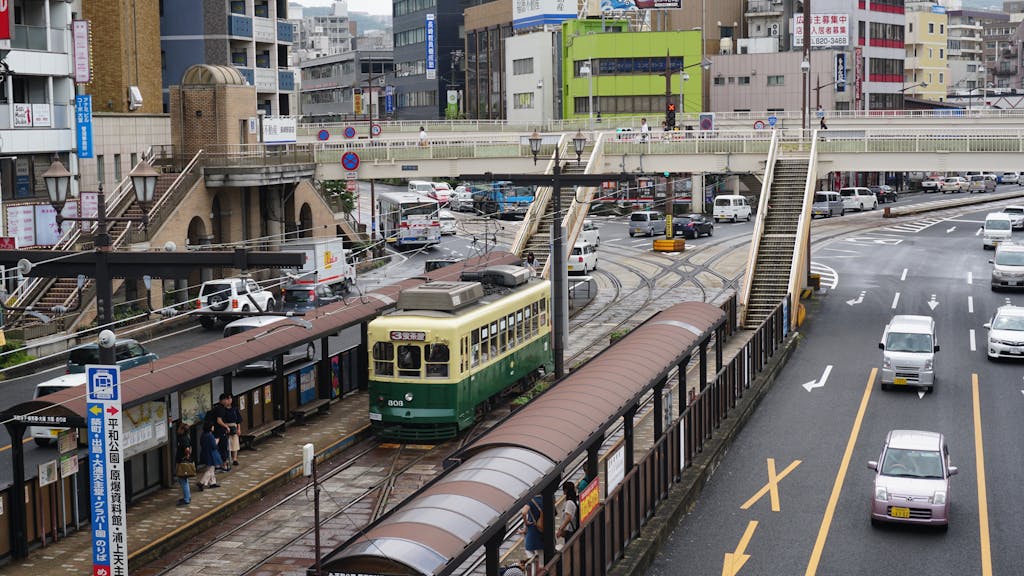
Nagasaki is a city of layers, and most of them are connected by its vintage streetcars. They aren’t just there for the aesthetic; they are the most practical way to get around. It’s a flat fare of 140 yen (about $1.40 AUD) no matter how far you go, and you can just tap on and off with your IC card. If you’re planning a big day of exploring, grab a day pass at the station for 600 yen—it usually pays for itself by lunchtime.
Just keep in mind that Nagasaki is famously vertical. While the areas around the station and Chinatown are flat, the “soulful” spots like the Temple District or Glover Garden are built into the slopes. If you’re arriving with heavy bags, don’t try to be a hero with the streetcar stairs. A taxi from the station to your hotel is usually under 1,500 yen and is a much kinder way to start your stay.
Things to do in Nagasaki
Nagasaki is a city that carries its history differently than anywhere else I’ve visited in Japan. It is a place of layers—where the weight of the past sits quietly alongside pockets of unexpected European charm and hidden hillside temples.
While most people are familiar with the story of Hiroshima, Nagasaki’s history is often less understood, yet it is just as profound. For centuries, this was Japan’s only open door to the world, creating a unique cultural blend you won’t find anywhere else. That history was then forever marked by the events of 1945, leaving behind a city defined by a very specific kind of grace and quiet endurance.
To truly understand this city, you have to move slowly. It’s a place that rewards those who look past the main tourist “checklist” to find the small, storied corners that reveal its resilience and its heart. From the sobering silence of the Urakami district to the vibrant red gates of ancient Zen temples, I’ve broken down my favorite experiences into the three chapters that define Nagasaki’s soul.
A Portal to the Past: The Historic Heart
Nagasaki’s history is heavy, but it is also a story of incredible resilience. To truly process what happened here, I recommend visiting the main sites of the Urakami district in this order.
The Atomic Bomb Museum
Start here to understand the “what” and the “how.” It is a confronting experience, but essential for grounding everything else you will see in the city. If you can, arrive right at 8:30 AM; seeing the exhibits in the morning silence before the school groups arrive makes a significant difference in how you process the weight of the information.
Hypocenter Park
A short walk from the museum, this marks the exact spot where the bomb exploded. It is marked by a simple black stone pillar and a fragment of the original cathedral wall that was moved here after the blast. It is a very still, heavy place that feels like the emotional heart of the city.
The Peace Park (Heiwa Koen)
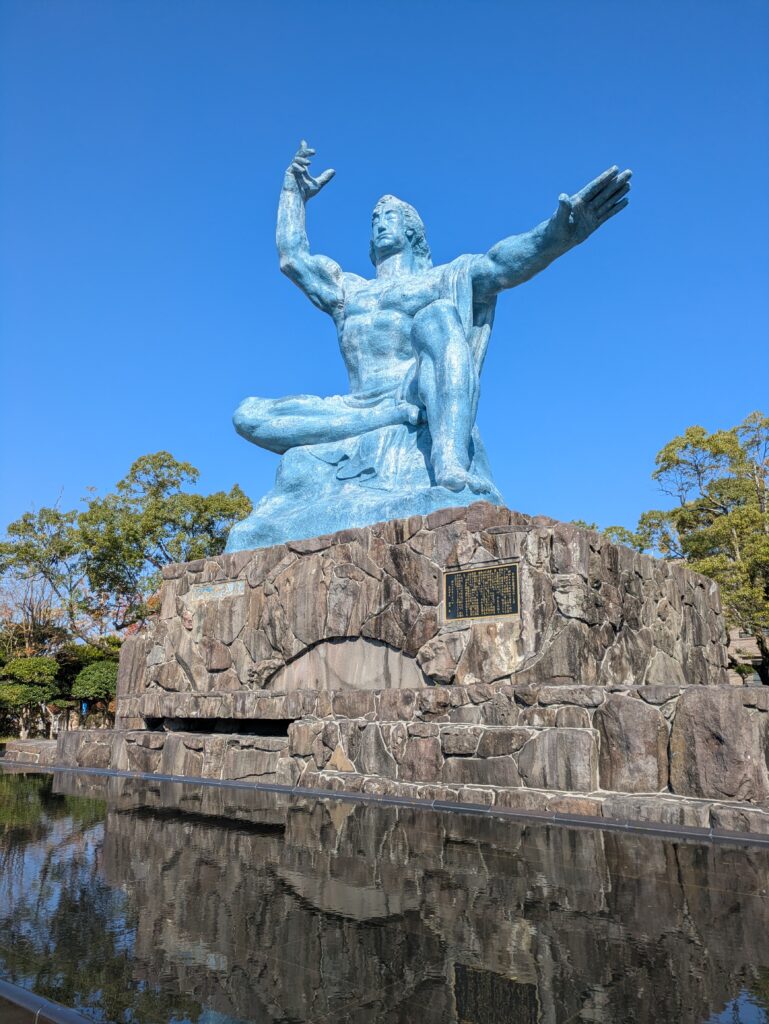
While the museum looks at the past, this vast, open plaza looks toward the future. It’s home to the iconic 10-meter-tall Peace Statue and the Fountain of Peace, and is filled with monuments donated from around the world as a collective plea for global peace.
The Sanno Shrine (The One-Pillar Torii)
Standing defiantly in the middle of a quiet residential street, this stone gate was snapped in half by the blast, leaving only a single pillar standing. Walking beneath it feels different than seeing an exhibit; it’s a living piece of the city that refused to fall.
The European Influence: A Window to the West
For centuries, Nagasaki was Japan’s only gateway to the world. This era left behind a beautiful, strange blend of Victorian architecture and Japanese precision.
Glover Garden & Oura Church
This area offers a romantic kind of charm and some of the best panoramic views of the harbor. At the foot of the garden stands Oura Church, the oldest standing Christian church in Japan. To save your legs, take the Glover Sky Road (a free vertical elevator) to the very top of the hill, then wander down through the gardens toward the church.
Dejima: The Dutch Trading Hub.
This is a meticulously restored island that feels like stepping back into the 1800s. Walking through the old warehouses and residences, you get a sense of what life was like when this tiny patch of land was the only door open between Japan and the Western world.
My Personal Recommendations: Beyond the Mainstream
These are the spots that felt more intimate—the ones that stayed with me long after I left.
Sofukuji Temple (The “Red” Temple)
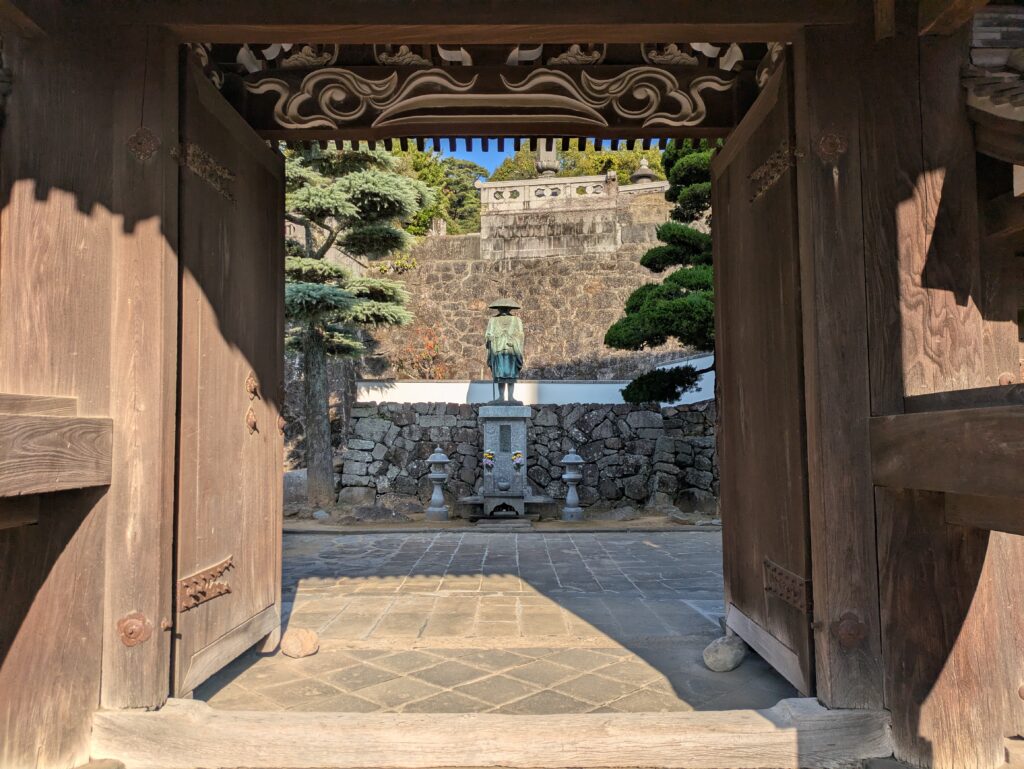
This Chinese Zen temple is bold and intricate, but the real magic is further in. Don’t just stay at the famous red gate; walk through to the cemetery that terraces up the hillside behind the temple. It’s a maze of stone monuments and lanterns that feels completely tucked away from the modern world.
The Dr. Takashi Nagai Museum (Nyokodo)
As a nurse, I found it fascinating to see the medical relics from the era and to learn about Dr. Nagai’s strength. He continued to treat patients despite his own illness, living and writing in Nyokodo, a tiny two-tatami mat hut. It’s a small, human-scale museum that makes the city’s history feel very personal.
Mount Inasa: The Million Dollar View
To truly grasp the geography of this city, you have to see it from above at dusk. As the sun sets, the city lights flicker on and reflect off the harbor like a sea of fallen stars. Take the ropeway up just before the “golden hour” to watch the city settle into its evening rhythm.
A Change of Pace: The Nagasaki BioPark
If you have an extra day, the BioPark is one of the most unique spots in Kyushu. It’s built on the idea of “living with nature,” meaning many of the animals—like the capybaras and lemurs—roam in large, open enclosures where you can actually interact with them. It feels less like a zoo and more like a massive garden where you’re just a guest. It’s a bit of a trek (about 90 minutes from the city), but the unhurried atmosphere is the definition of slow travel.
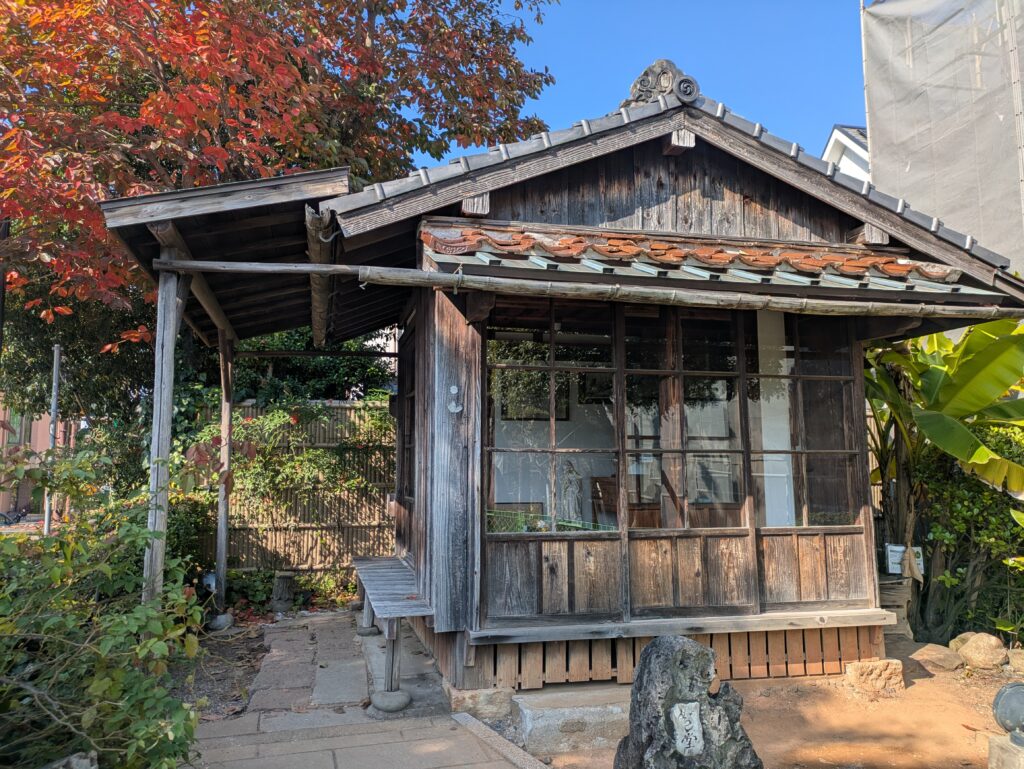
Nyokodo, or “As Thyself House.” This tiny, humble two-tatami mat hut is where
Dr. Nagai lived, wrote, and prayed.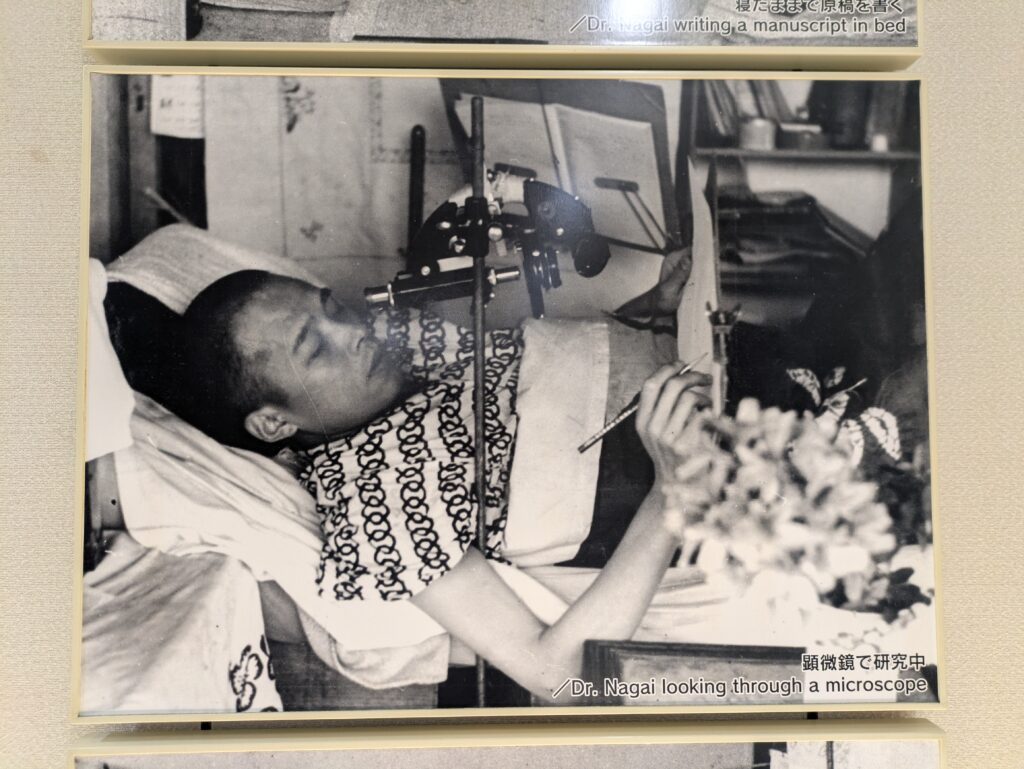
Dr. Takashi Nagai, a radiologist and a pioneer of medicine, pictured in his final
years propped up in his simple sick bed at Nyokodo.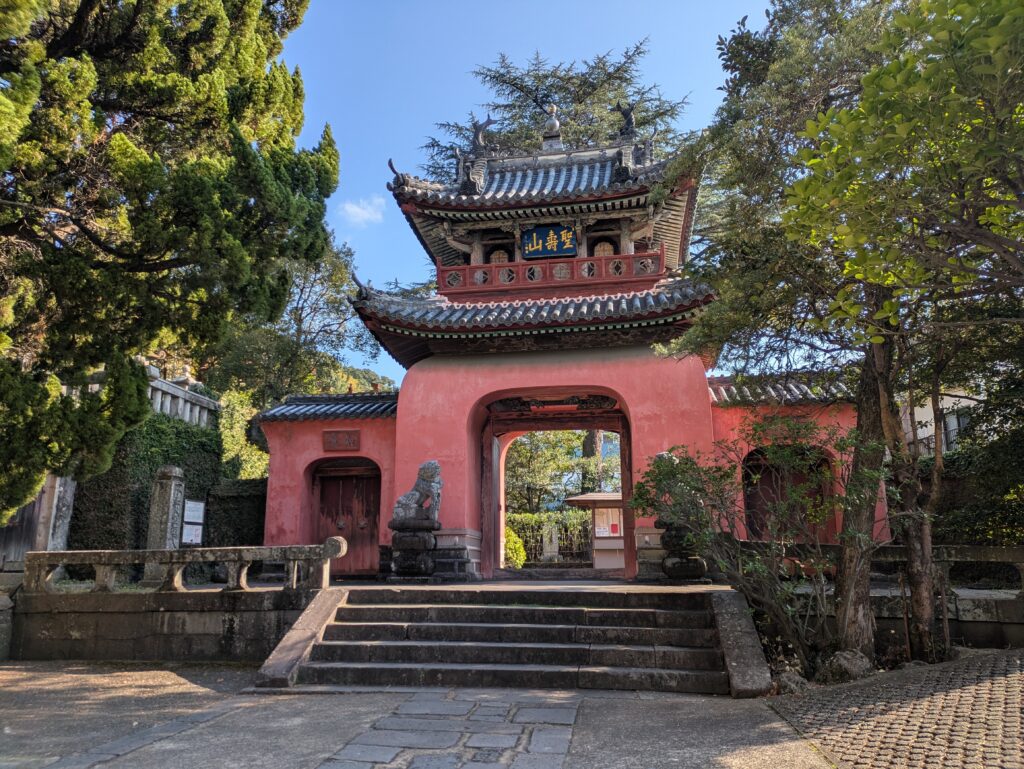
The Ryugumon, or Sea Palace Gate. This is the most iconic structure at Sofukuji and is
a beautiful example of the Ming Dynasty architectural influence that flowed into Nagasaki.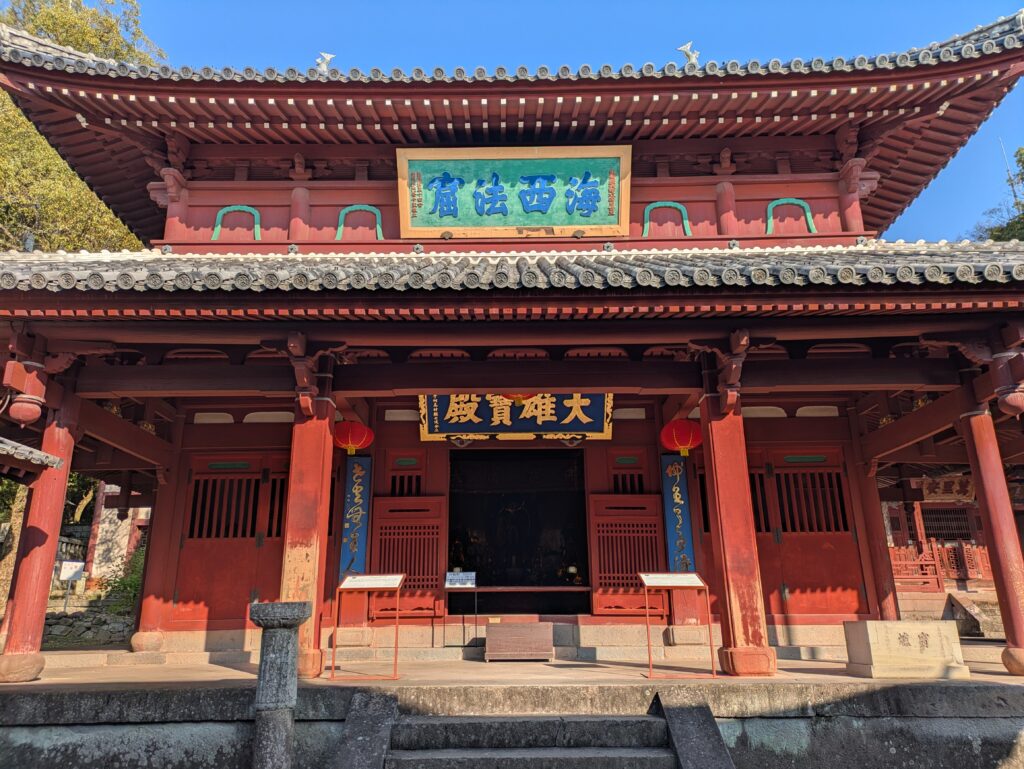
The Daiohoden, or Great Leader’s Hall. This National Treasure was actually crafted
in China, shipped to Nagasaki, and reassembled here in 1646.
Where to Wander: The Soul of the City
To get to know Nagasaki properly, you have to be willing to get a little bit lost. While the major spots tell the story of the city’s past, the city today is found in the quiet gaps between them—in the steep staircases that lead to local homes, the smell of salt air in the harbor, and the stillness and chill of the hillside neighborhoods.
Nagasaki is a “City of Slopes,” and there is something special about the way the houses are stacked from the water all the way up to the mountains. The best way to experience it isn’t by following a map, but by choosing a direction and seeing where the next set of stairs takes you. These are the areas where the modern world falls away and you’re left with the simple reality of life in this corner of Kyushu.
The Nakashima River & The Teramachi District
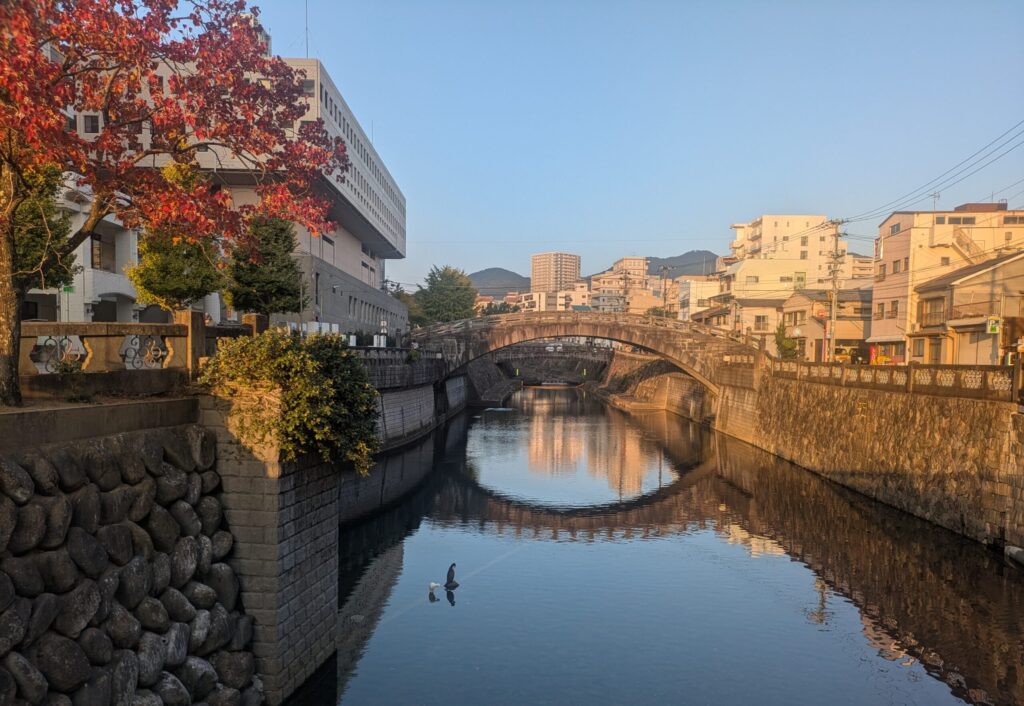
There is a specific kind of peace in the streets surrounding the Nakashima River. Beyond the famous stone arches of the Spectacles Bridge, the riverbanks offer a calm escape from the city’s traffic. If you follow the water toward the mountains, you’ll stumble into the Teramachi (Temple) District. This area is a quiet maze of traditional wooden architecture and old merchant homes. Walking here feels like stepping back in time; the air is cooler, the streets are paved in stone, and you can often smell incense drifting from the temple courtyards.
The Hidden Lanes of Kaji-machi
Tucked just off the busy shopping arcade near the river is a pocket of the city that feels entirely untouched. As you step away from the modern storefronts, the atmosphere totally shifts. These narrow side streets are lined with traditional wooden facades and weathered wooden doors. It’s an area where you see the pride locals take in their spaces— the perfectly swept doorsteps and the rows of potted plants outside every home. It is the perfect place to put the phone away and just let the alleys guide you.
The Hillside Backstreets & Dutch Slopes
For a different perspective, wander toward the Dutch Slopes (Oranda-zaka). These cobblestone streets were once the residential area for Western traders, and the architecture has a European feel that is unique to Nagasaki.
But don’t be afraid to take a random staircase leading even further upward. Some of my favorite moments happened in the narrow alleys that weave between houses on the heights. You’ll find weathered wooden gates and sudden views of the harbor appearing between the rooftops. This is where the city feels most real—in the sight of a laundry line swaying in the breeze or a stray cat sunning itself on a mossy stone wall.
The Echo of Nagasaki
Nagasaki is not a city you just visit and call it a day. It carries the weight of its tragedies with a quiet, dignified grace, yet it opens its arms to the world with a warmth that is uniquely its own. Its a city that makes you feel. Whether you are standing in the shadow of the one-pillared torii gate or watching the harbor lights flicker on from the heights of Mount Inasa, there is an unmistakable sense of peace here—a peace that has been hard-won and is deeply cherished.
As I left, I realized that Nagasaki’s true beauty isn’t found in any single monument, but in the way the entire city seems to move together. It is in the clanking of the streetcars, the flow of the Nakashima River, and the spirit of the people who call these slopes home. If you are looking for a place to slow down, to reflect, and to simply “be,” you will find it here, tucked away in the beautiful, resilient heart of Kyushu.
Nagasaki was just one chapter of my journey through the south. If you’re planning to explore more of this incredible island, you can see how I fit this ‘City of Slopes’ into a larger road trip in my 10-Day Kyushu Self-Drive Guide.