Beyond the Golden Route:
Ten Days in Kyushu
When we first planned our itinerary for Northern Kyushu, I didn’t realize how much I would fall in love with this island. We had eight days on the ground, but I’ve written this as a ten-day guide—because if I had my time again, ten days would have been the perfect spacing for those quiet moments that Northern Kyushu has to offer, it’s definitely a place that rewards the slower traveller with sights that most tourists will never get to see.
We chose to self-drive for part of the route, an adventure I cannot recommend enough. There is something about winding through ancient forests and mountain passes that opens up your world in a way the Shinkansen simply can’t. It’s here, off the beaten path, where we found the heart of the south.
The Route at a Glance
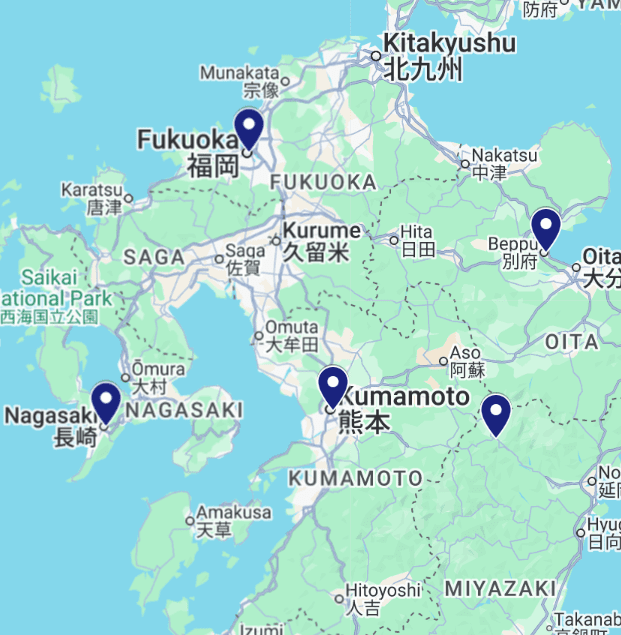
- Start: Nagasaki (2 Nights)
- The Drive: Kumamoto (2 Nights), Takachiho/Gokase (2 Nights)
Beppu (1 Night) - Finish: Fukuoka (3 Nights)
- Total Distance: Approx. 650km loop
- Driving Time: ~12 hours total (broken into easy 1.5–2.5 hour stints).
- Top Tip: Ensure your rental has an ETC (Electronic Toll Collection) device and card so you can go through the purple toll gates. It’s so easy and saves time.
Days 1–2: Nagasaki — History and Harbor Views
Nagasaki is a city of resilience and international charm. While many travelers only visit for a day trip, staying two nights allows you to experience the city’s quiet, atmospheric evenings—something I’m glad I didn’t miss.
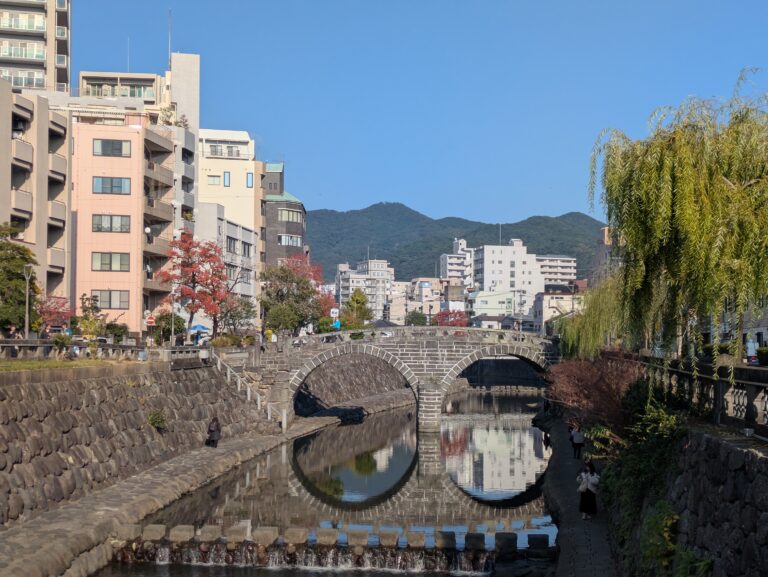
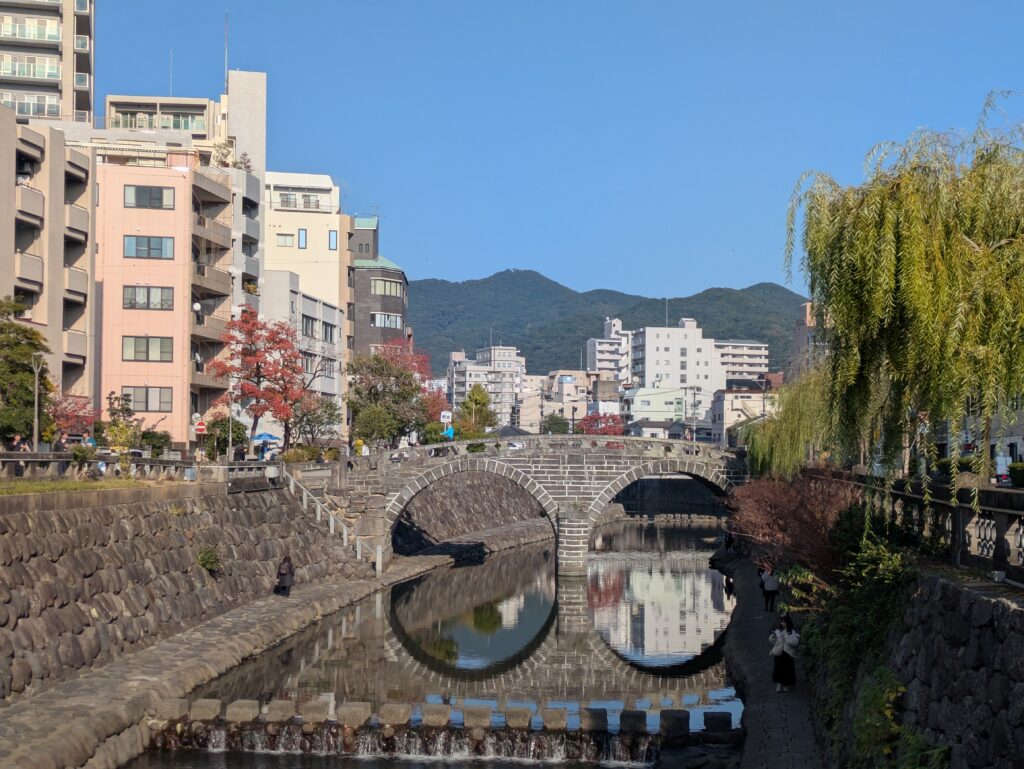
- Choosing Your Base: I recommend staying near Meganebashi Bridge (the “Spectacles Bridge”) rather than the busy station area. It’s a historic, willow-lined district that feels like “Old Nagasaki” and is perfectly connected by the tram.
- The High Points: Spend your first afternoon wandering the Teramachi Temple Row or catching the “10-Million-Dollar View” from Mount Inasa at sunset.
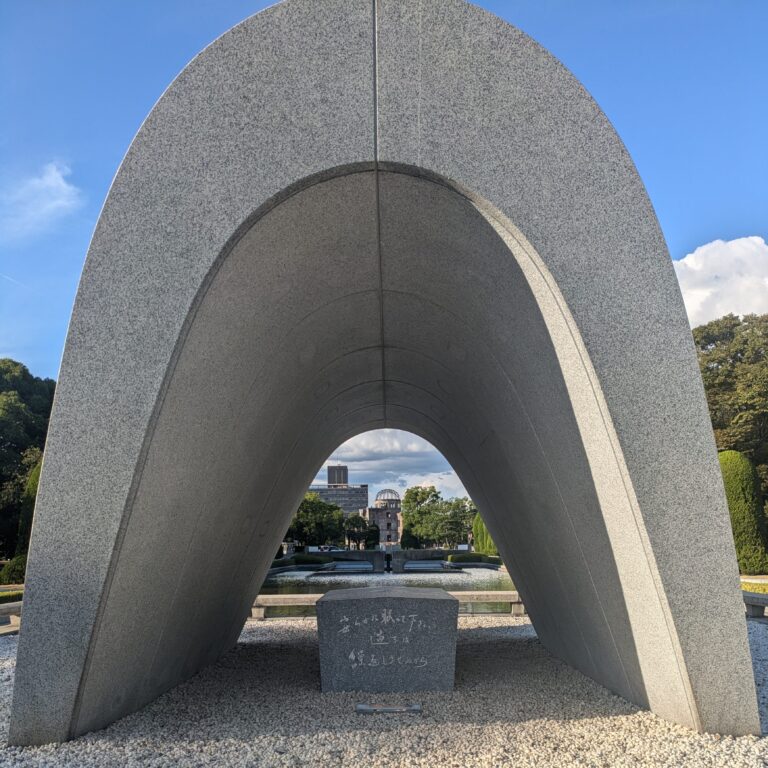
- A Moving History: On your second day, arrive at the Atomic Bomb Museum right at 8:30 AM to beat the crowds. Follow this with a walk through the Peace Park.
- The “Nurse’s Note”: Don’t skip the Dr. Nagai Memorial Museum. It’s a small, intimate space that offers a profound look at medical history and the strength of the human spirit during wartime, and it’s a very easy walk from the Peace Park.
- Evening Atmosphere: Wander through the hillside gardens of Glover Garden in the afternoon, then head to Shinchi Chinatown for a lantern-lit dinner of authentic Nagasaki Champon.
For a full breakdown of how to spend these 48 hours, see my Deep-Dive Nagasaki Guide here.
Days 3–5: Fukuoka — Temples, Canals & Coastal Shrines
Fukuoka is a city that blends a modern, energetic rhythm with a laid-back atmosphere. We stayed here for two nights, but it felt rushed. To truly enjoy the food scene and the surrounding shrines without checking your watch, three nights is the ideal rhythm.
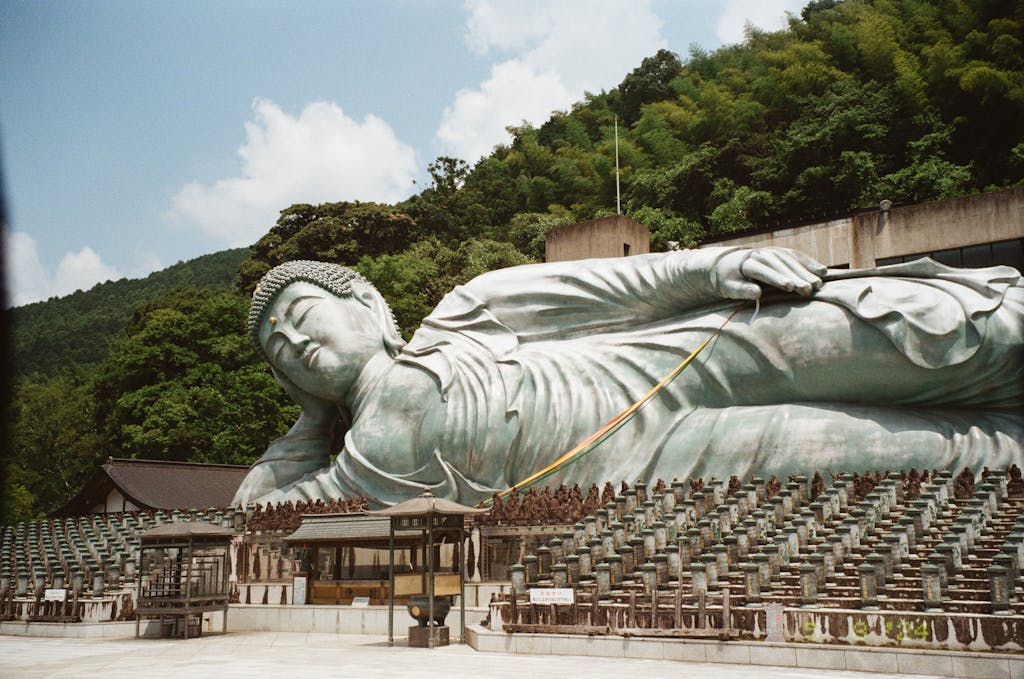
- The Reclining Buddha (Nanzoin Temple): A short train ride from Hakata Station. Arriving here in the morning is a must—seeing one of the world’s largest bronze Buddhas nestled into the forested hillside is a surreal experience.
- Dazaifu Tenmangu Shrine: One of Japan’s most important shrines, famous for its thousands of plum trees and unique “floating” architecture. The approach is lined with traditional shops selling Umegae Mochi (plum-blossom rice cakes).
- Ohori Park: The city’s “living room.” A massive lake with a walking path and a traditional Japanese garden, it’s the perfect place to reset and people-watch.
- The Food Scene: At sunset, head to the Nakasu Yatai (open-air food stalls). Grab a seat for a bowl of authentic Hakata Ramen and soak in the atmosphere of the riverside. Just a short walk away is Canal City, where you can catch the impressive fountain light shows that run every half hour.
Hindsight Insight: What we loved most about Fukuoka was simply wandering around finding hidden temples and seriously great shopping plazas. It’s a great city to just get lost in, with hidden boutiques and quiet cafes at every turn. Having that third night means you can spend a whole day just “being” in the city without feeling like you’re sacrificing the major sights.
Day 6: The Road South — Choosing Your Path
This is the day you transition to the road. Pick up your rental car in Fukuoka and head south toward Kumamoto. You have two excellent options for a stopover, depending on your interests:
- The “Same-Location” Hack: To avoid the often-expensive “one-way drop-off fees,” we chose to pick up and return the car to the same branch at the airport, as we were heading back to the airport to fly home anyway. This saved us a significant amount of money and made the final logistics on Day 11 much simpler. From the airport, it’s a quick hop onto the expressway toward your first stop at Dazaifu or Yoshinogari.
- Option A: Dazaifu Tenmangu Shrine. If you didn’t make it here during your Fukuoka days, this is a perfect stop on your way south.
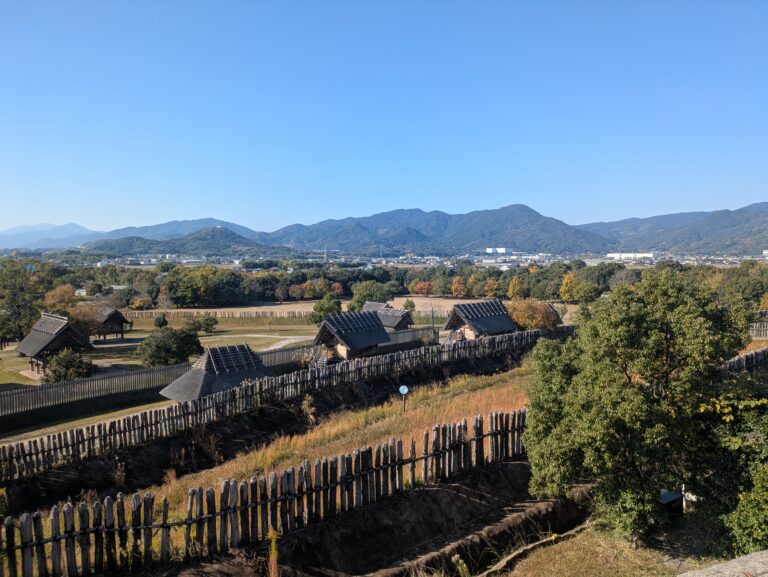
- Option B: Yoshinogari Historical Park (The option we took). About an hour from Fukuoka, this is a massive, reconstructed Yayoi-period archaeological site. It feels like stepping back 2,000 years into an ancient village—perfect if you prefer wide-open spaces and unique history. It’s also a great spot to stop if you have kids; the exhibits are really cool to see, and the guides scattered throughout the park are super helpful and knowledgeable. I’ve written a full guide on how to visit Yoshinogari Historical Park if you want to see more of what to expect.
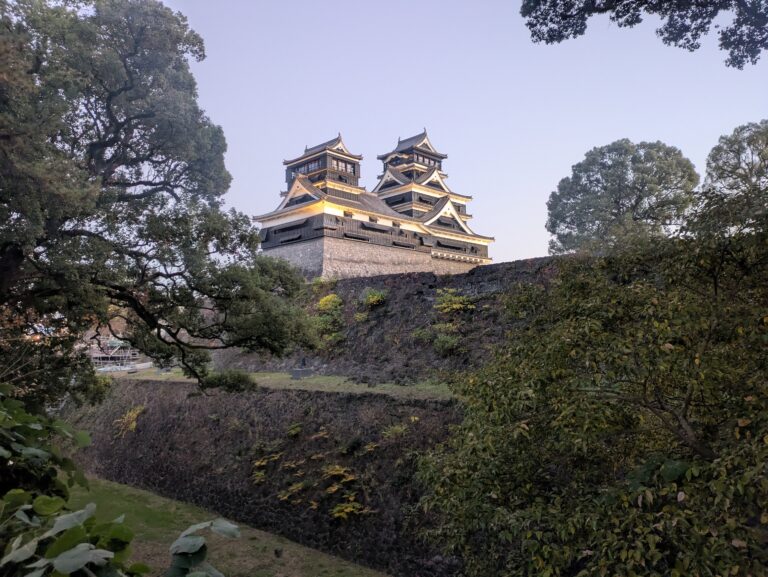
- Arrival in Kumamoto: Aim to arrive by late afternoon. Check into your hotel and head toward the castle district for dinner to see the fortress walls illuminated at night.
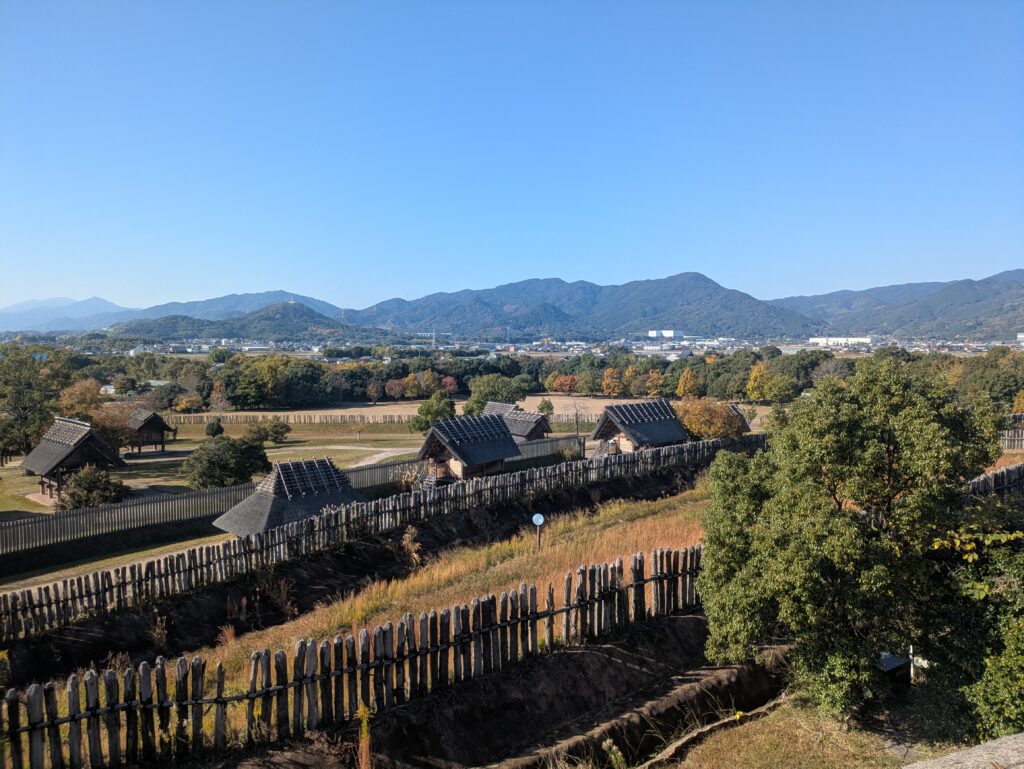
The scale of Yoshinogari is incredible—the defensive ditches and
palisades stretch all the way to the Saga mountains.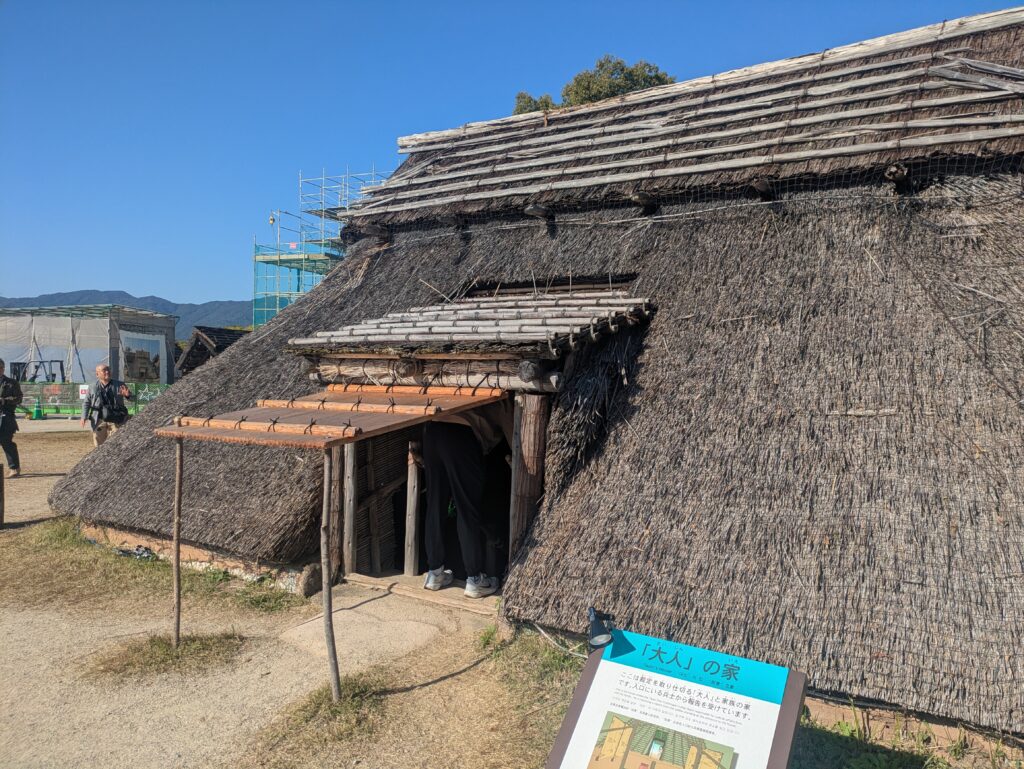
Inside the pit dwellings: These thatched-roof reconstructions
show exactly how families lived during the Yayoi period.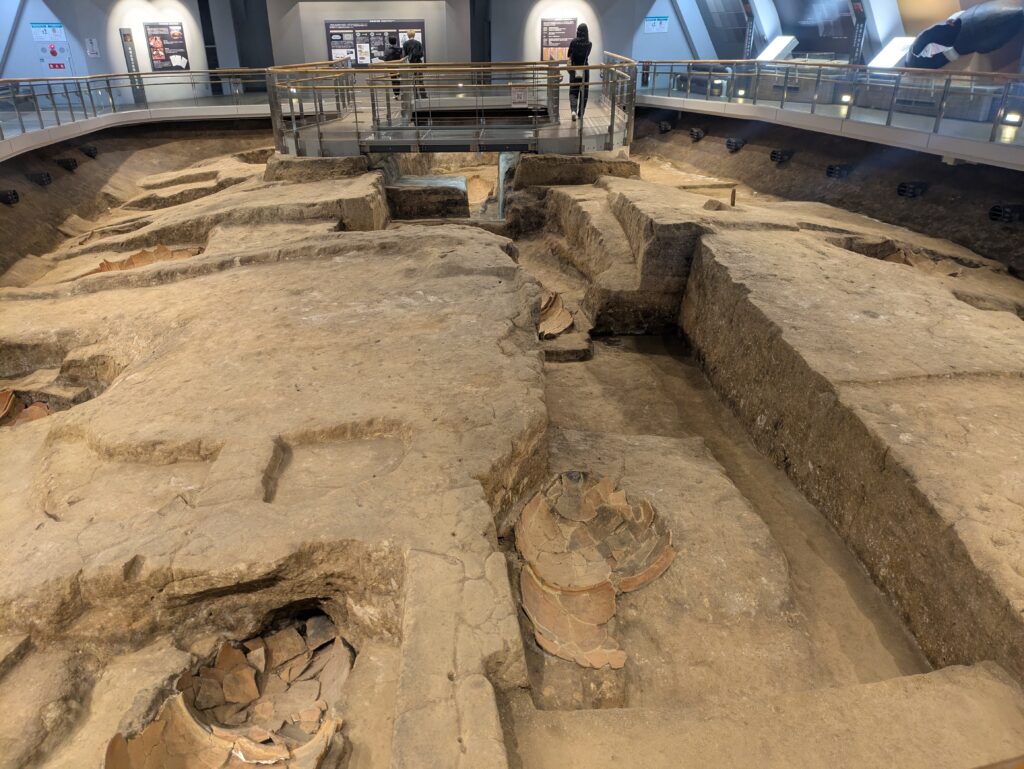
A look at the original 2,000-year-old burial pits and pottery,
preserved exactly where they were discovered.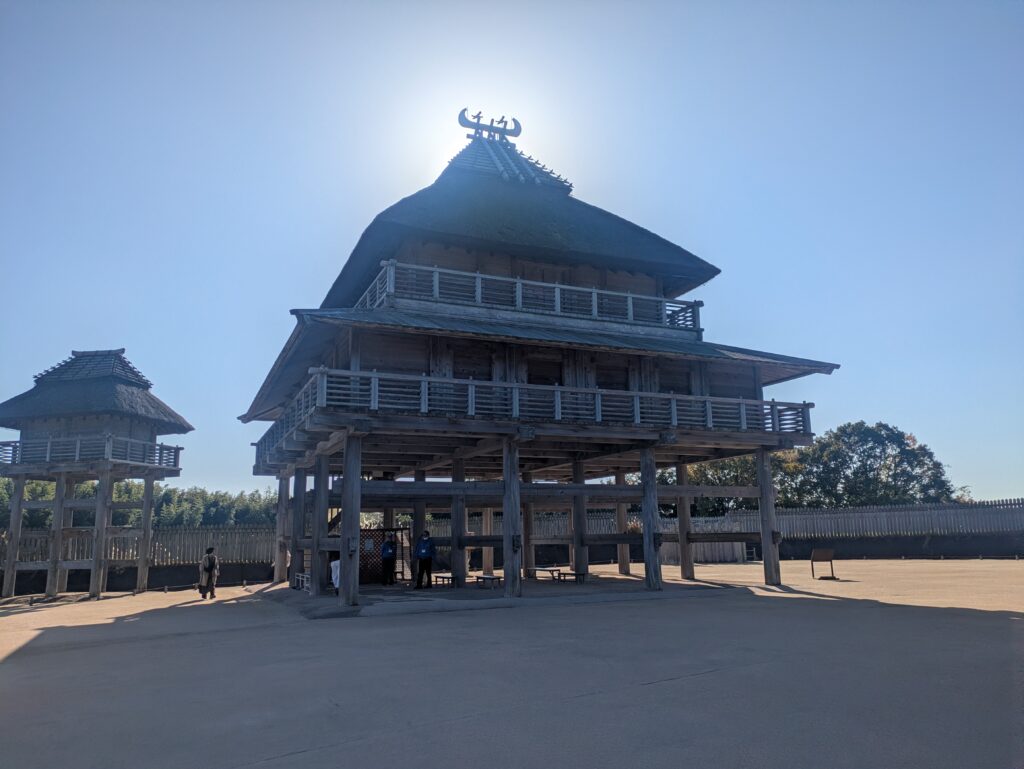
A reconstructed high-floored residence where the leaders of the Yayoi period lived,
overlooking the village center.
Day 7: Kumamoto — A City with a Soul
Most travel guides will tell you that Kumamoto is a “one-night stay” or even just a day trip from Fukuoka. I strongly disagree. Kumamoto is a just a really cool city that deserves at least one full day to itself.
If you only stay for one night, you miss the heart of the city because most travelers end up leaving early the next morning to beat the crowds at Mt. Aso. By giving Kumamoto two full nights, you actually get to experience the city’s atmosphere rather than just using it as a bed for the night.
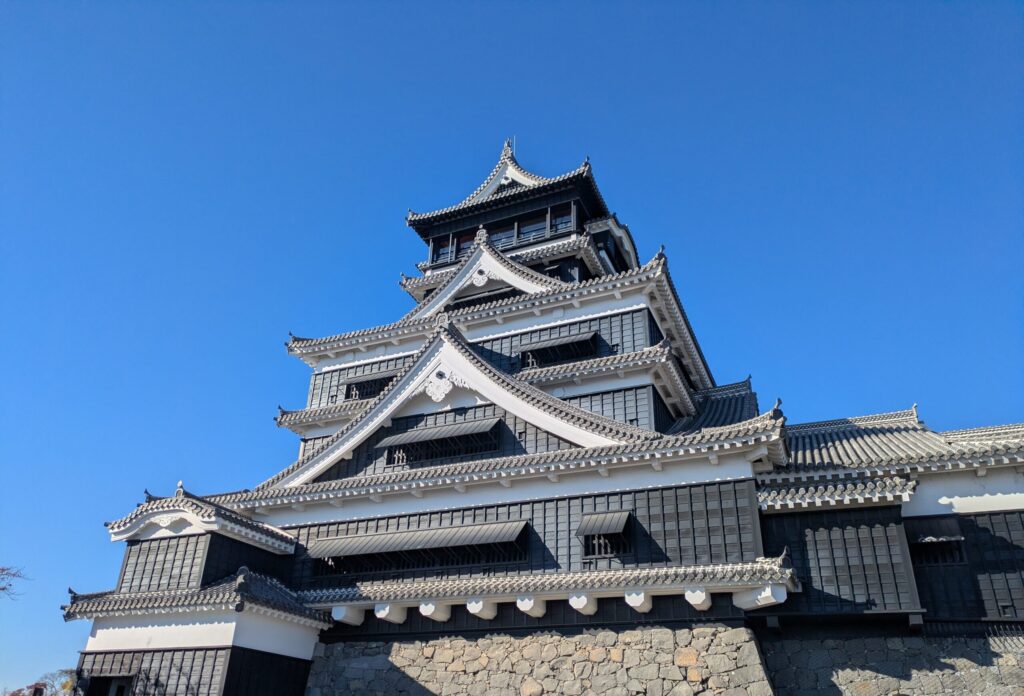
- Kumamoto Castle: Spend your morning exploring the grounds. The scale is immense, and seeing the ongoing restoration work from the 2016 earthquake is a testament to the city’s spirit.
- Suizenji Jojuen Garden: A stunning “stroll garden” that reproduces the 53 stations of the Tokaido road in miniature. It’s incredibly peaceful and one of the most beautiful landscape gardens in Japan.
- The Arcade Culture: Dedicate an afternoon to the Shimotori & Kamitori shopping arcades. These aren’t just for tourists; this is where the local life happens. It’s full of hidden basement bars, local boutiques, and excellent restaurants.
Hindsight Insight: We truly didn’t expect to fall for Kumamoto as much as we did. Because we only stayed one night, we felt like we were just ticking off the castle and leaving. Having that second night allows you to slow down, explore the massive shopping arcades properly, and soak in the city’s surprisingly modern, creative vibe. I’ve put together a Full Guide to Kumamoto with more honest advice on why this city deserves a spot on your itinerary.
Day 8: Into the Heart of Aso-Kuju National Park
Leaving Kumamoto early is the key to enjoying this day at a slow pace. As you begin the climb into the Aso Caldera, the landscape shifts dramatically.
The road to Mt. Aso was, by far, the highlight of our entire journey. It is one of the most amazing sights I have ever seen—a rugged, volcanic landscape that feels like another world entirely. It’s the kind of place you’d never expect to find in Japan, and it stayed with us long after we left.
- The Kusasenri Plateau: Before you reach the peak, you’ll pass through a vast, double-crater meadow. Make sure to stop here. Seeing the semi-wild horses grazing against the backdrop of the smoking volcano is a surreal, peaceful experience.
- The Horses of Aso: These horses have lived on the grassy plains of the caldera for generations. They add a beautiful, living element to the rugged volcanic scenery and are incredibly calm to watch.
- The Nakadake Crater: Continue your climb to the active crater. Looking down into the turquoise acidic pool and watching the steam rise is awe-inspiring, but it comes with a reality check.
- Safety Warning: Access to the crater is strictly monitored. Certain areas are often closed due to high levels of volcanic gases. If you have asthma or other breathing issues, you may want to skip the final ascent to the rim, as the sulfur levels can be quite intense.
Planning Tip: The logistics of getting up to the peaks can get a bit tricky depending on how you’re traveling. You can read my full breakdown on navigating the tracks, car rentals, and train options in my [Ultimate Guide to Mt. Aso: Driving vs. Public Transport].
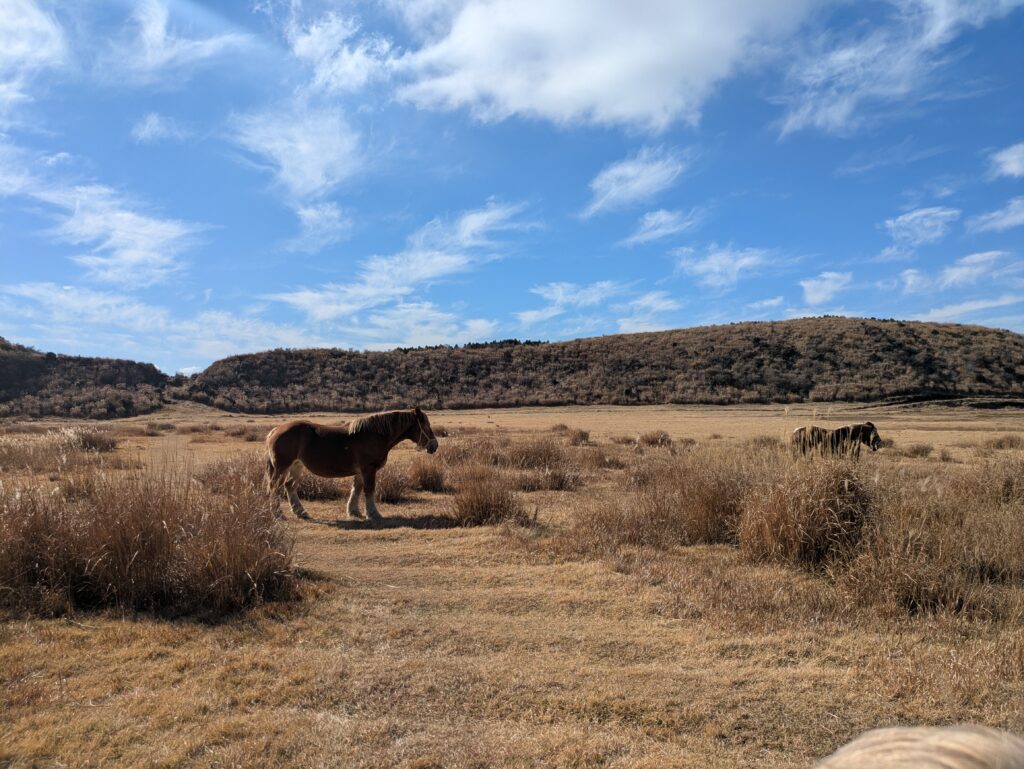
A peaceful moment on the vast Kusasenri Plateau, where semi-wild
horse graze on the dry grasses of the ancient caldera.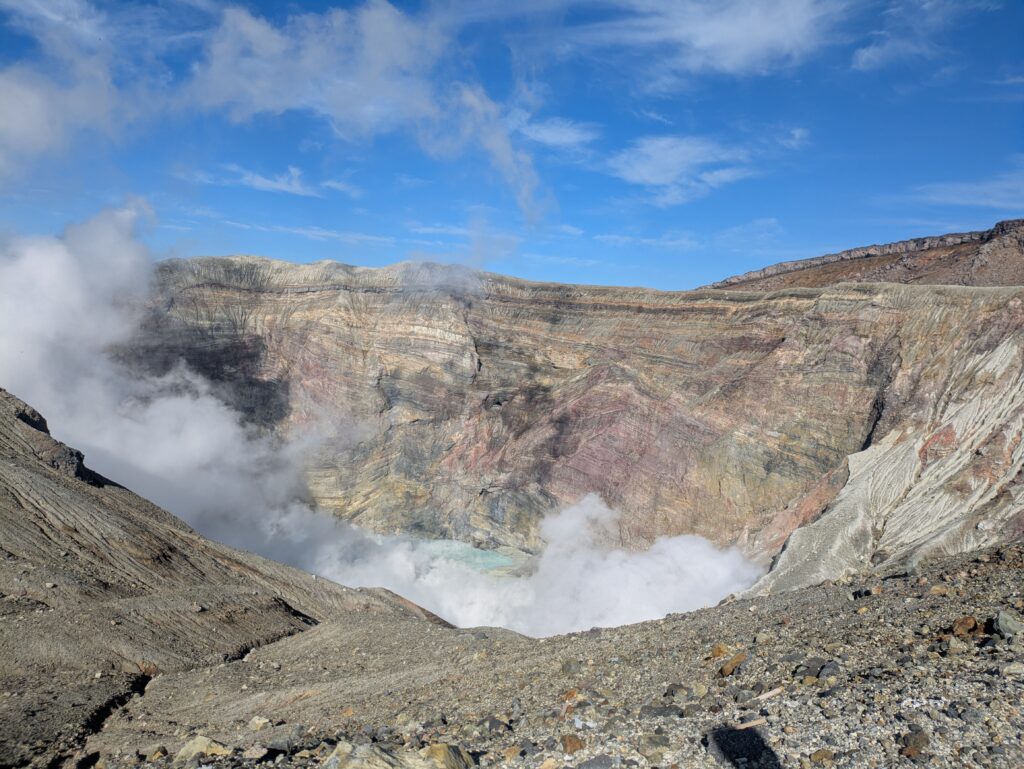
Looking directly into the active Nakadake Crater: a breathtaking sight of
swirling steam and the turquoise acidic pool.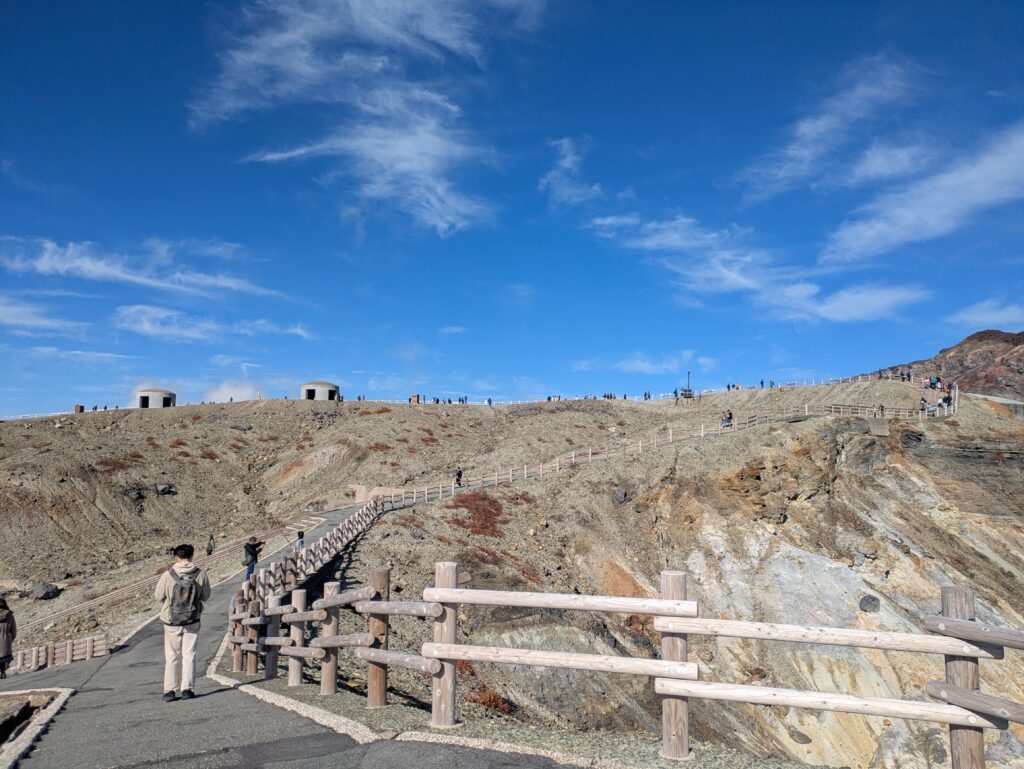
The barren, otherworldly walking path leading up to the
main viewing area of the massive Mt. Aso crater.
The Mountain Drive & The Forest Temple
After the scale of the crater, continue your journey through the winding mountain passes. We grabbed a quick lunch at a konbini (convenience store) to keep the day flexible, then headed toward Kamishimi-kumano-za Shrine. Tucked away in a dense forest, this shrine is incredibly beautiful and worth the stop. Walking up the moss-covered steps lined with lanterns is a lovely, quiet contrast to the intensity of the volcano earlier in the day.
Evening: Finding Your Mountain Base
After a day of volcanic peaks and forest shrines, head toward your accommodation for the next two nights.
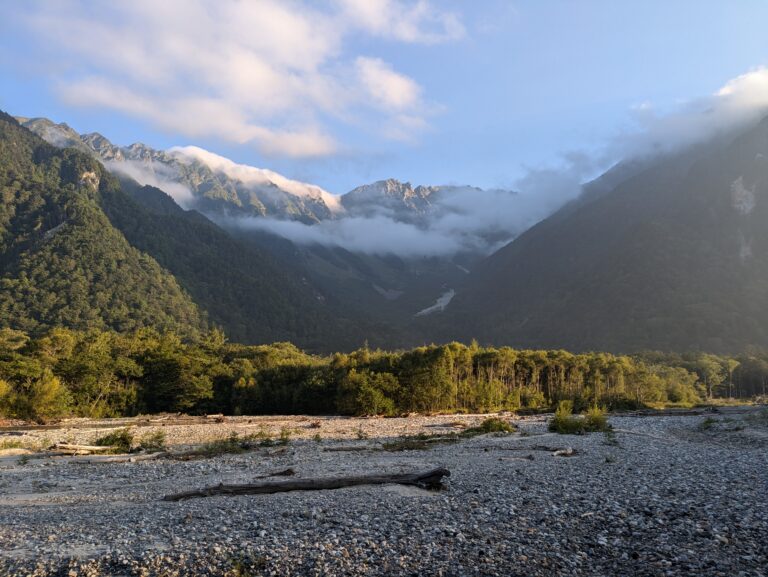
- Our Choice (Gokase): We stayed in a small town called Gokase, just a 20-minute drive outside of Takachiho. We found some beautiful campgrounds with cabins that offered the most amazing mountain views. It was the perfect “slow travel” escape and also super budget-friendly. While there are other small towns dotted around the region, Gokase felt like a true breath of fresh air.
- Alternative (Takachiho): If you prefer to be closer to the action, there are plenty of traditional ryokan and hotel options in Takachiho itself. Staying in town puts you within walking distance of the evening performances and gives you a head start on the gorge in the morning.
The Spirit of the Mountains: Takachiho Yokagura
Once you’ve dropped your bags in Gokase or Takachiho, there is one cultural experience that is absolutely worth the late night. Even if you’re staying out in the quiet of Gokase, make the drive back in for the Takachiho Yokagura.
The Performance: Every night at 8:00 PM, local dancers at Takachiho Shrine perform four shortened acts of Kagura—ancient Shinto theatrical dances that tell the legends of the Japanese gods.
The Atmosphere: It’s held in a simple wooden hall at the shrine. Even if you don’t understand the ancient Japanese being spoken, the masks, the drums, and the energy of the performers are incredibly powerful.
Booking the Kagura: What You Need to Know
Because this is such an intimate, local performance, it’s best to be prepared so you don’t miss out.
- Booking in Advance: You can actually book tickets online through the Takachiho Federation of Tourism website. It is highly recommended to do this, especially if you are visiting during a busier season, as there is a limit of around 150 people per night.
- Arriving Early: The performance starts at 8:00 PM (20:00), but the doors open at 7:00 PM. Even if you have a pre-booked ticket, it is first-come, first-served for seating.
- The Seating: You’ll be sitting on traditional tatami mats. Hindsight Insight: Get there by 7:15 PM if you want to snag a spot near the front to see the intricate details of the masks and the performers’ expressions. And again—bring those warm layers! Sitting still on the floor for an hour in a wooden hall can get very cold.
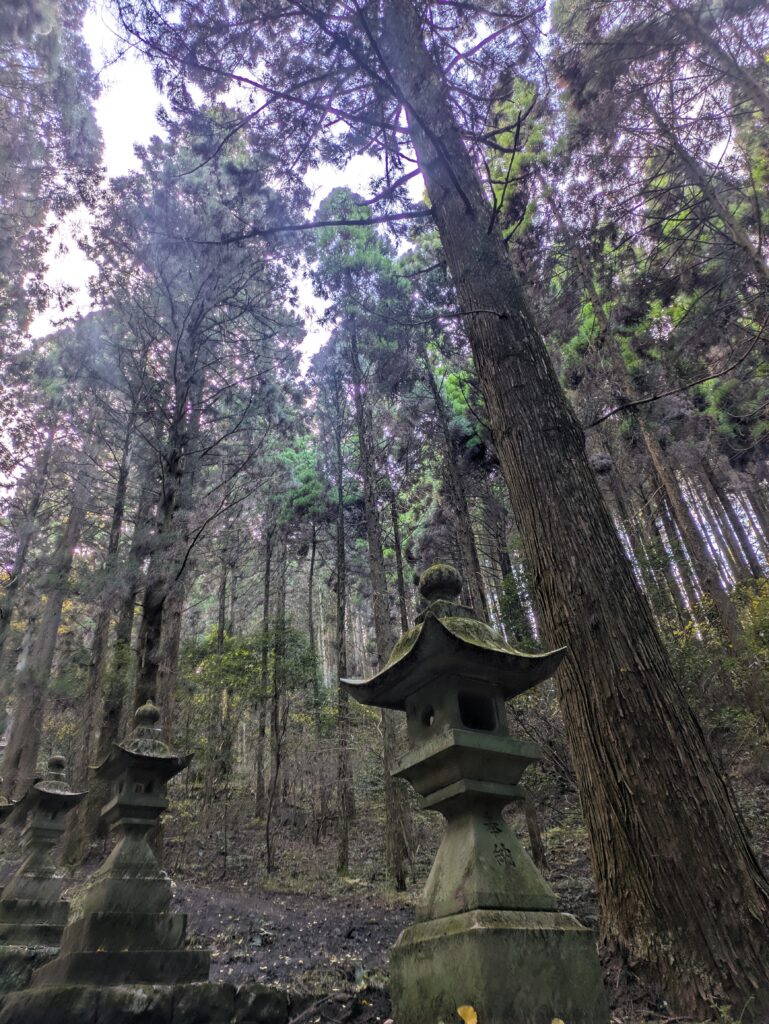
The silent atmosphere of Kamishimi, with ancient stone lanterns guiding
the way through the towering cedars. It’s a peaceful, mystical contrast to the
active volcano we visited earlier in the day.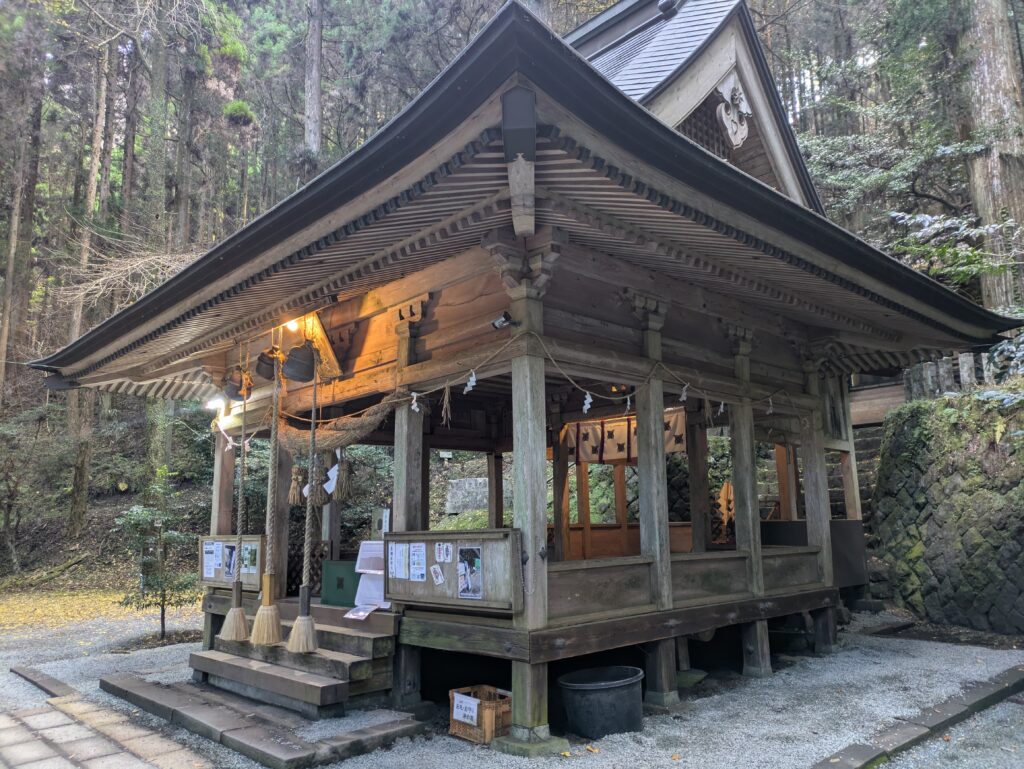
The tranquil main pavilion of Kamishimi-kumano-za Shrine, a rare and
mystical “forest temple” that is well worth the slight detour.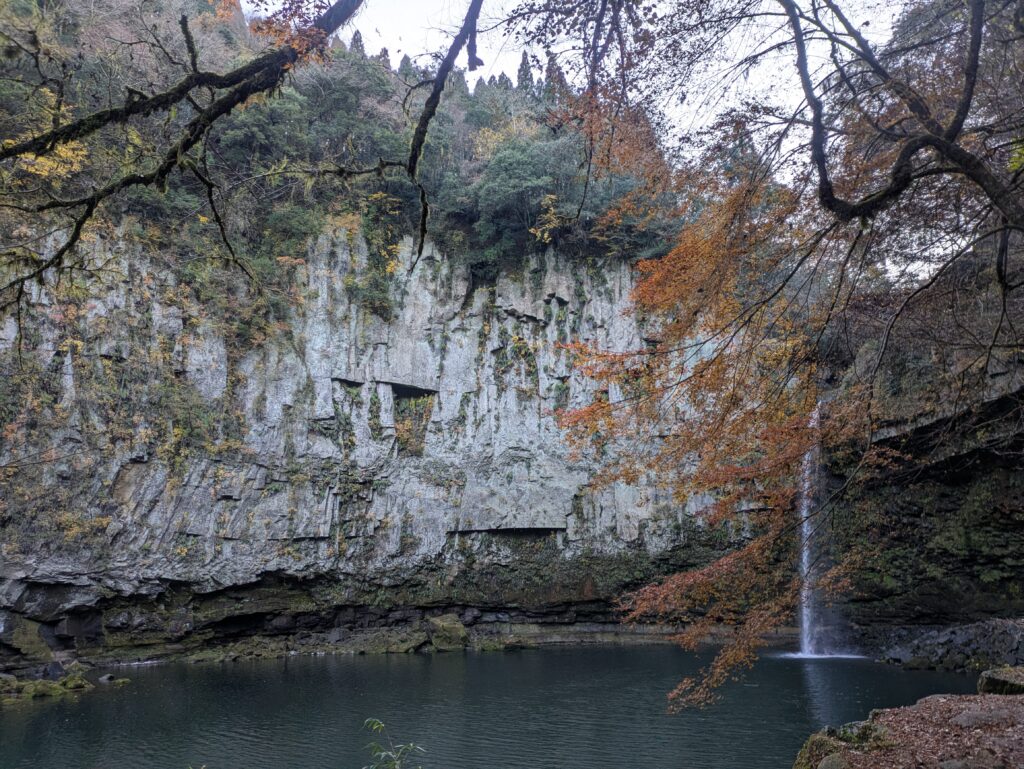
The stunning Unoko Falls in Gokase, located just a short walk from our cabin.
Proof that staying outside the main town is a true “Slow Travel” win
Day 9: Takachiho — Myths, Mini-Trains, and Floating Noodles
Today is all about the unique atmosphere of the Takachiho region. It’s a place steeped in Japanese mythology, but as we discovered, it also has a wonderful, quirky side that you shouldn’t miss.
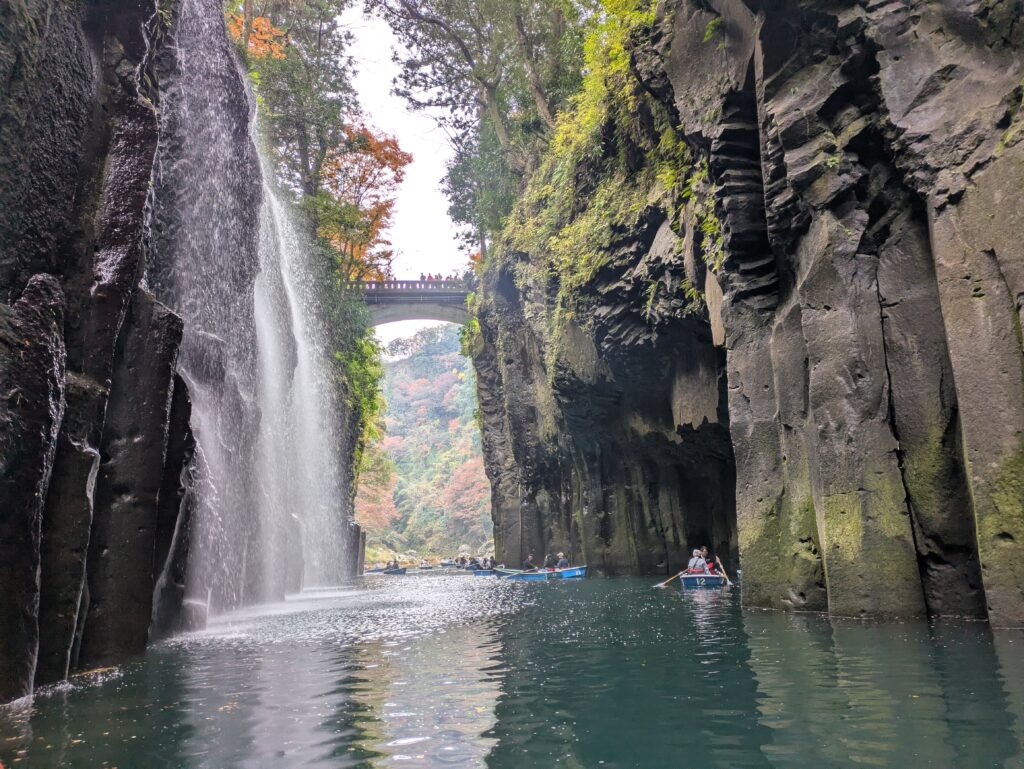
- Morning: Takachiho Gorge. This is the iconic image of Kyushu. The sheer basalt columns and the Manai Waterfall are breathtaking.
- The Boat Experience: To truly feel the scale of the gorge, you have to get on the water. We didn’t book tickets in advance, but because we arrived early (before the tour buses) during the off-season, we were able to snag a spot. Hindsight Insight: If you’re traveling during peak season, booking ahead is a must, but if not, just aim to be there as the gates open to beat the crowds.
- Lunch: Nagashi Somen (Flowing Noodles). Right at the gorge, we had one of our favorite meal experiences. You sit by a bamboo flume and have to “catch” your noodles with your chopsticks as they float past in cold running water. It’s simple, delicious, and a lot of fun.
- Afternoon: The Amaterasu Railway. This was one of the most fun and wonderfully random things we did. It’s a scenic ride on a pink mini-train that takes you along an abandoned railway line.
- The Experience: You’ll pass through tunnels filled with laser light shows before stopping on a bridge the conductor claimed was the highest in Japan (I’ll let you be the judge of that!). The view is incredible, but the highlight was the conductor singing a traditional Japanese song while firing a bubble gun, sending thousands of bubbles floating out over the valley. It is pure, joyful chaos and a must-do.
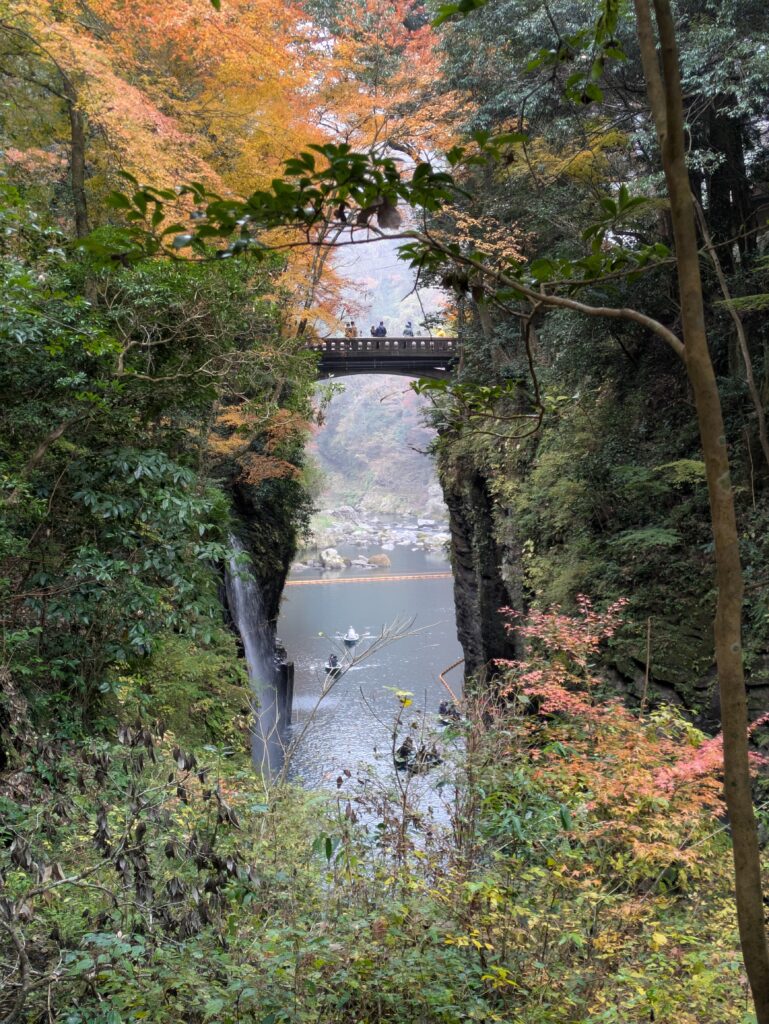
Manai Falls through the trees: A perfect
perspective of the sacred water flowing into
the deep turquoise gorge.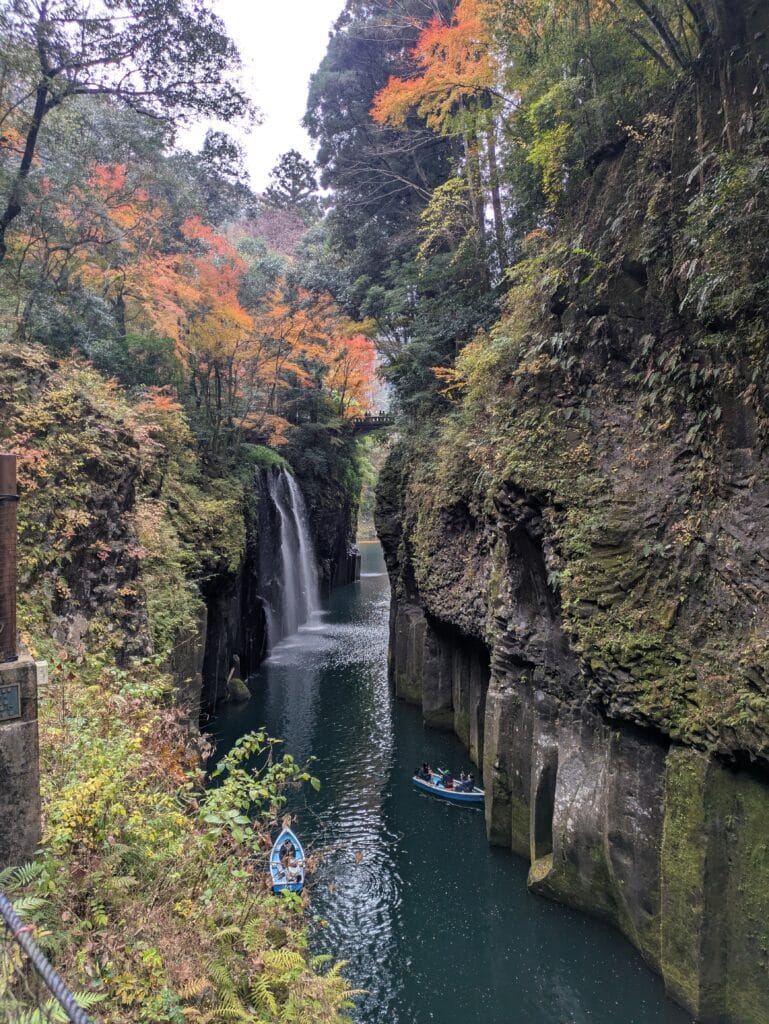
The Takachiho Gorge view: Rowboats
dwarfed by the massive basalt cliffs and
the cascade of Manai Falls.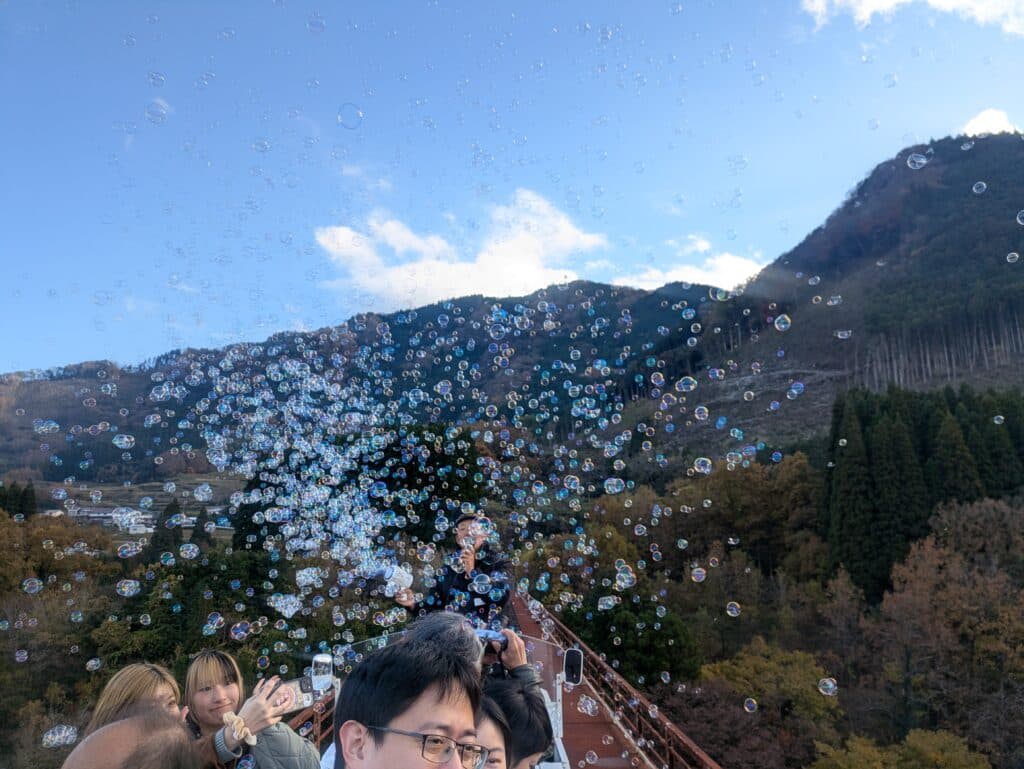
Drifting through a landscape of bubbles: The surreal and magical viewpoint from
the railway bridge—a real Slow Travel highlight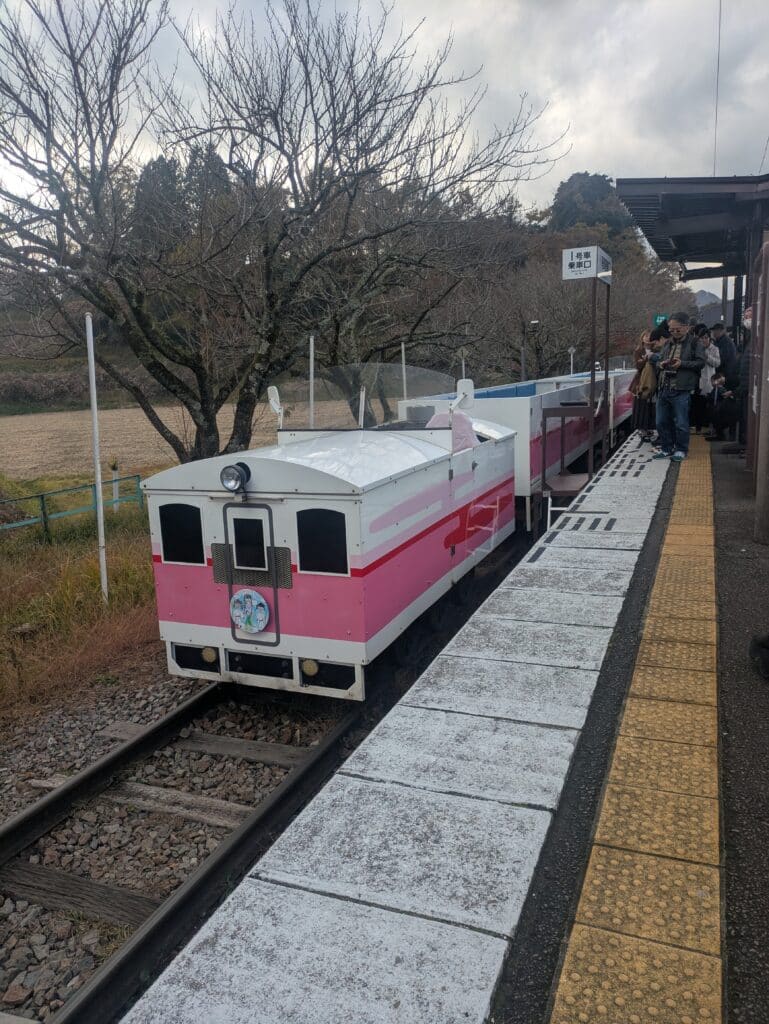
The cute pink sightseeing cart of the Amaterasu Railway,
ready to take us on a scenic journey through the valleys.
Day 10: The Mountain Pass to the Coast — Yufuin vs. Beppu
The drive from Gokase toward the coast is one of the most stunning stretches of the trip. You’ll wind through dense, emerald forests and over ridges that offer incredible views.
- The Drive: Expect some winding “S-bend” roads. However, don’t let the map intimidate you! The roads are in great condition.
- The Pace: For my fellow Australians: people in Japan drive much slower than we do. Speed limits are lower (often 40–60km/h on these scenic routes), and the driving culture is incredibly polite. It’s stress-free “slow travel” at its best.
Mid-Morning: Yufuin — More Than Just a Photo Op
We arrived in Yufuin mid-morning and were immediately struck by the “chill country vibe.” It’s a boutique onsen town nestled at the base of the twin-peaked Mount Yufu.
- Yufuin Floral Village: This is the most famous “Instagram” spot—it feels like stepping into a storybook or a Ghibli film. The Truth: It’s very cool to see, but it is very touristy and can get quite packed.
- The Real Yufuin: Beyond the “village,” the main shopping street is full of awesome street food and local craft boutiques. Walking toward Lake Kinrin, you’re surrounded by mountains and a sense of calm that you just don’t get in the bigger cities.
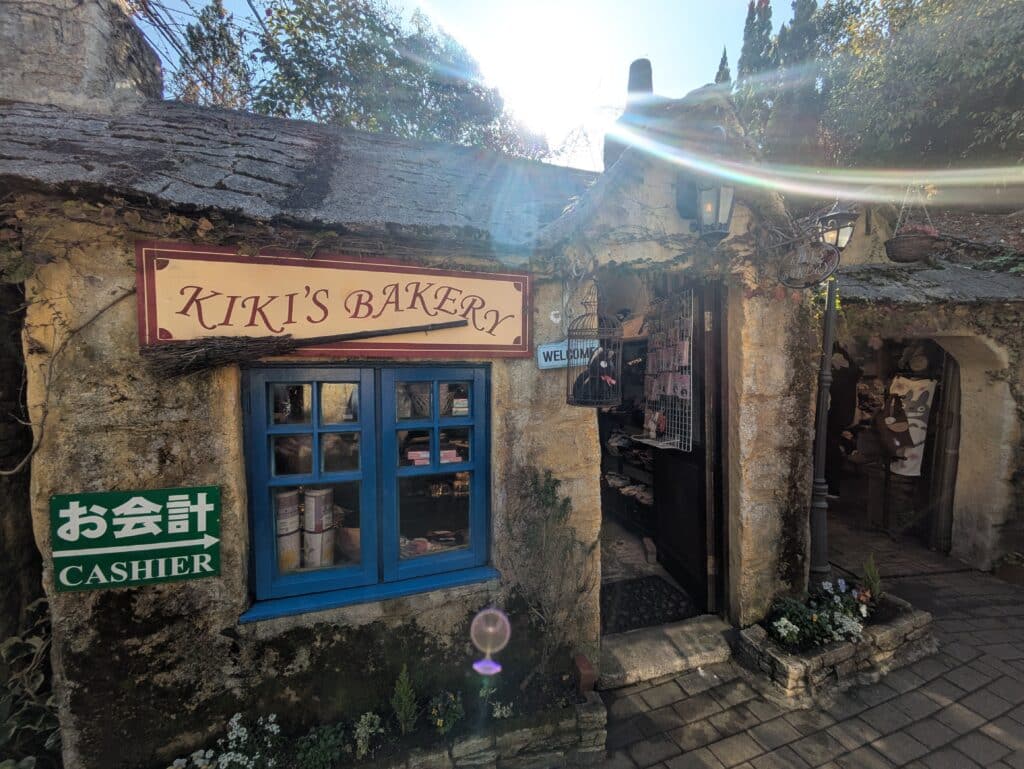
For the Studio Ghibli fans: A real-life ‘Kiki’s Delivery Service’
bakery tucked inside the Floral Village.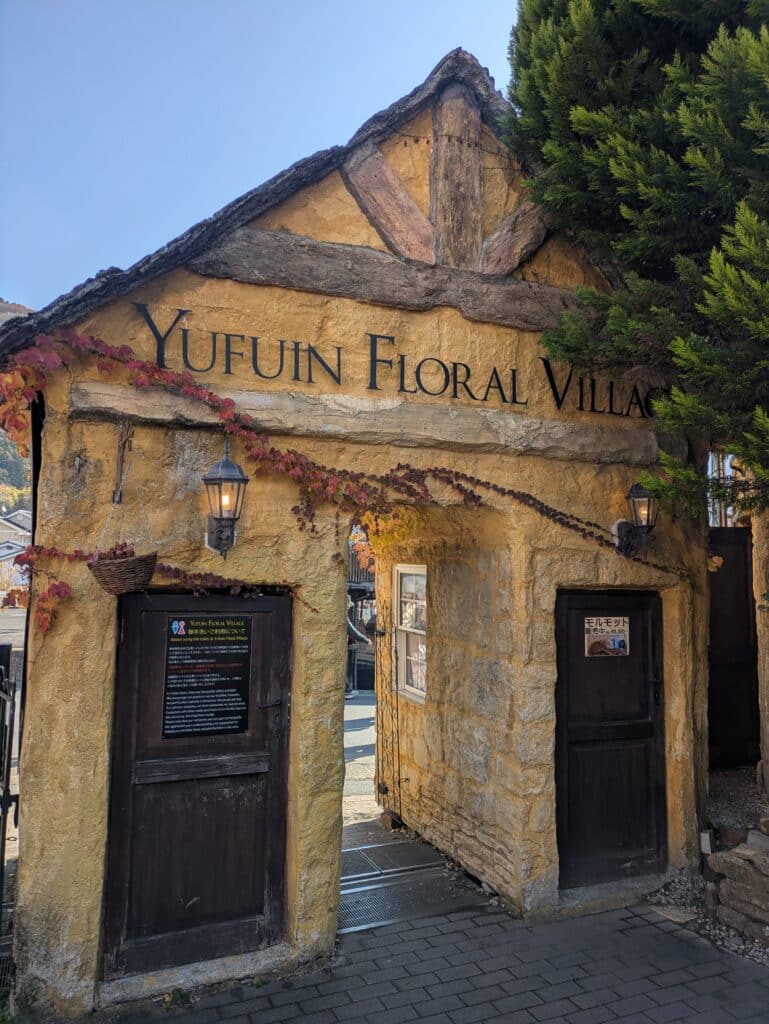
Stepping into the Yufuin Floral Village feels like walking
into a European fairytale right in the middle of Kyushu.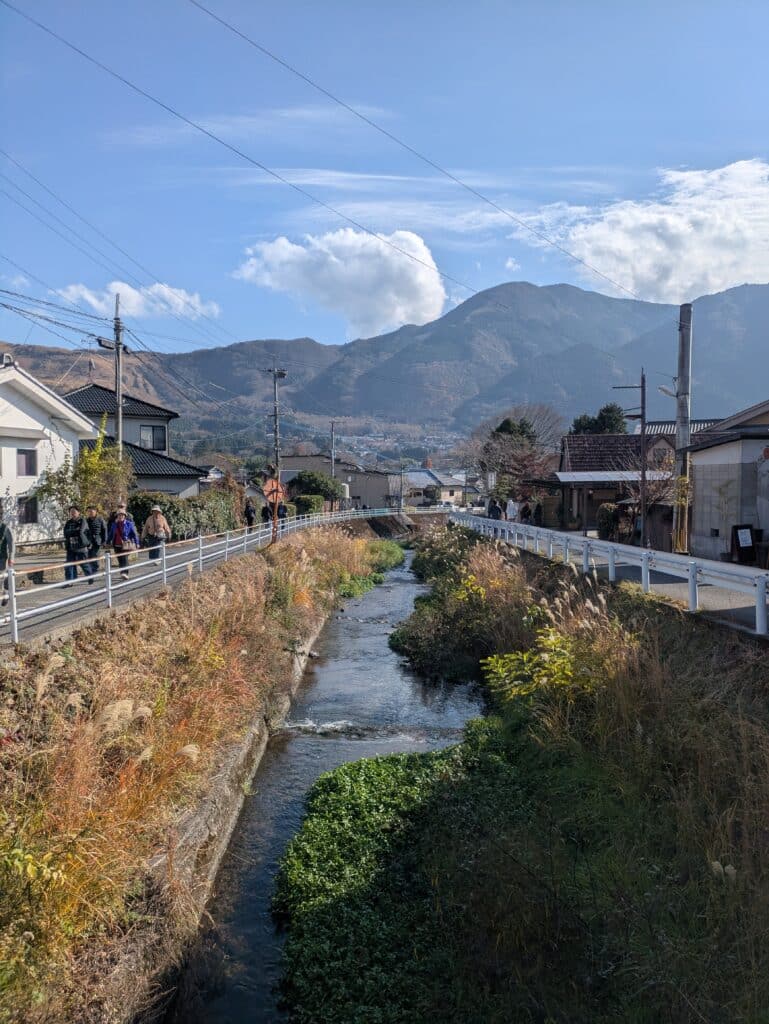
A peaceful stroll along the river with Mt. Yufu towering in the distance.
This is the heart of Yufuin’s scenic beauty.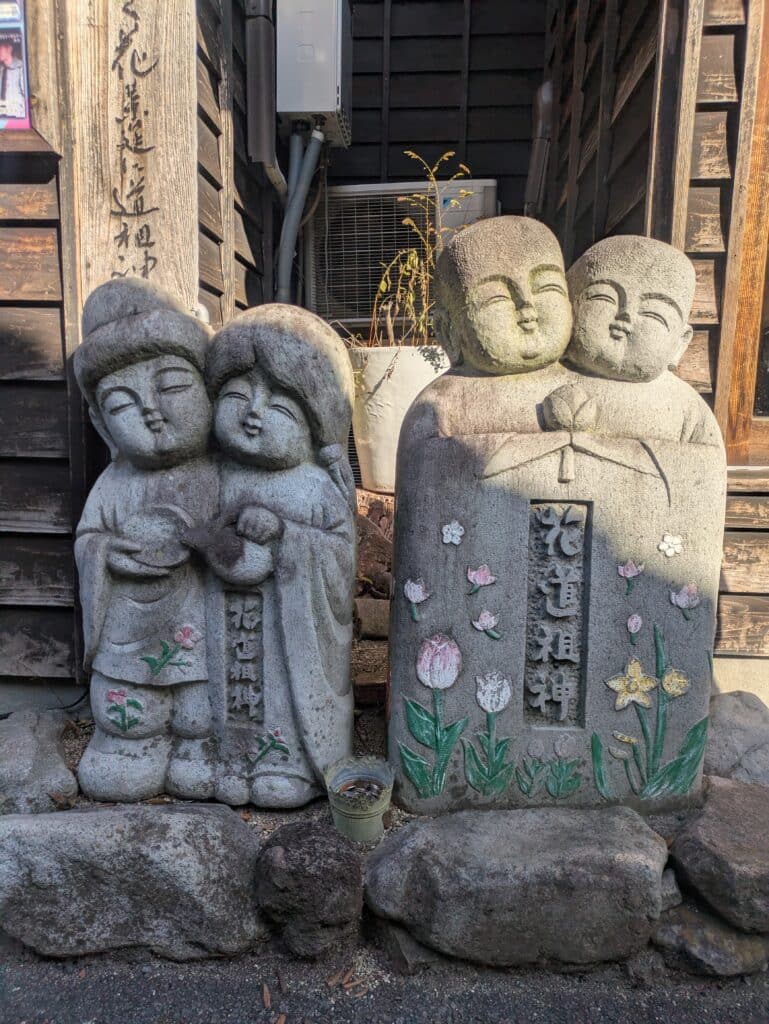
Small, serene stone statues tucked away in a quiet corner of the village,
one of those little details you only find when you slow down.
Early Afternoon: Beppu — The Retro City
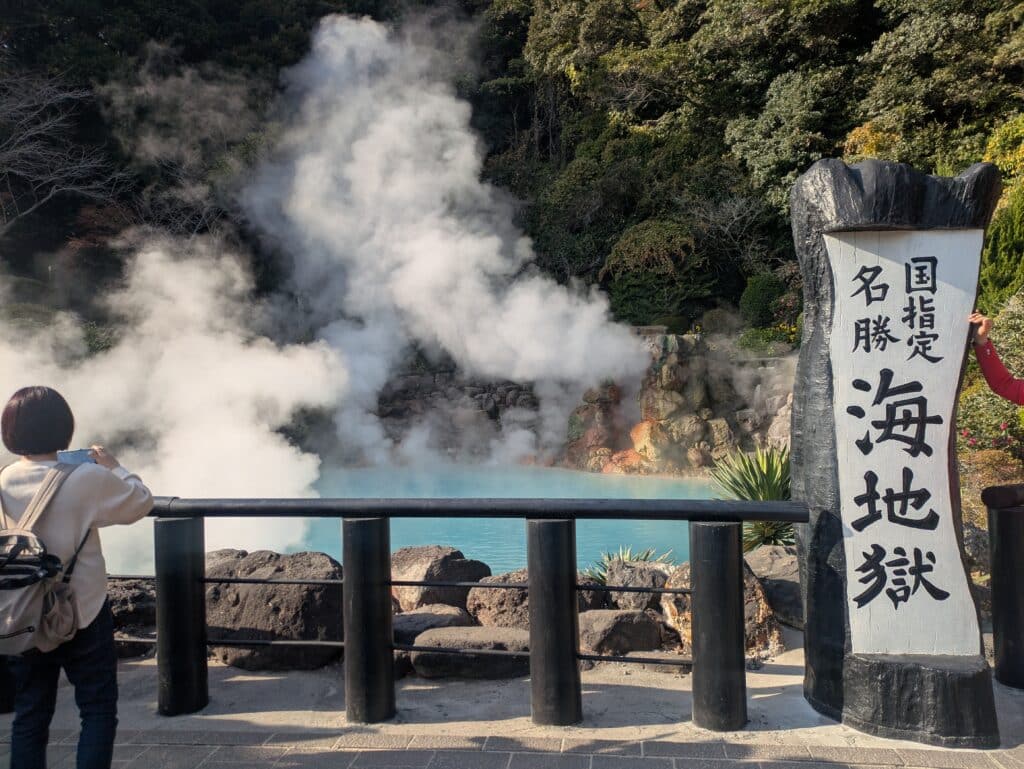
We headed to Beppu by mid-afternoon to see the famous “Hells” (colorful geothermal springs). They are unique and worth seeing once, but they definitely feel more like a “checked box” on a tourist list. In the late afternoon, we explored the “retro” streets near the station, which have a gritty, nostalgic charm and old-school bathhouses that feel frozen in time.
Hindsight Insight: The Great Debate
If I had my time again, I would change my approach to this final leg. We chose Beppu because so many blogs recommend it as the “must-stay” spot, but for us, it was “just another city.”
My Advice: If you love the “slow travel” philosophy, skip the Beppu stay and base yourself in Yufuin. We only had a couple of hours for a quick lunch and a wander, and I truly wish we’d had a full day and night there. Yufuin offers that intentional, mountain-side reset that fits the Footsteps vibe perfectly. Beppu is great if you want variety, city amenities, and “tick box” activities, but for me and what I like to see and experience, Yufuin would have been my choice.
Day 11: The Journey Home
The drive from Yufuin (or Beppu) back to Fukuoka Airport takes about 1.5 to 2 hours.
- The Easy Return: Because we chose the same-location pick-up and drop-off, returning the car was a breeze. Most major agencies (like Toyota or Nissan) have branches right at the International or Domestic terminals.
- The Shuttle: Once you hand over the keys and settle any final ETC card tolls, the rental agency usually provides a free 5-minute shuttle that drops you right at the departure doors. It’s a completely stress-free way to end the trip.
Closing the Loop: Reflections on Northern Kyushu
You could spend a lifetime exploring Kyushu and still feel like you’ve barely scratched the surface of what this incredible island has to offer. My journey through the north was a whirlwind of smoking volcanoes, ancient forests, and surprisingly modern cities—and while I wouldn’t change the memories for anything, the 10-day “Perfect Rhythm” I’ve shared here is how I would do it if I could go back and do it all again.
For me, driving in Kyushu is a total no-brainer. While Japan’s public transport is world-class between the major hubs, it simply won’t get you to the “hidden gems” that make this region so special. The real magic of Kyushu isn’t found in the train stations; it’s found on the great open road, in the quiet of a Gokase cabin, and on the winding mountain passes of Aso-Kuju.
Northern Kyushu is one of the most magical places I have ever been. It offers a sense of space and a “slow travel” soul that is becoming harder to find in the more crowded parts of Japan. Whether you’re catching noodles in a bamboo flume or watching the steam rise from a volcanic crater, this region stays with you long after you’ve returned your rental car.
I already can’t wait to get back and see more of this amazing part of the world. But for now, I hope this guide helps you find your own rhythm in the mountains of Kyushu.