Where to Stay in Tokyo: How to Choose the Perfect Neighborhood
One of the first questions I get asked when people start planning their Japan trip is: ‘Where the heck do I stay in Tokyo?’ It’s a city of a thousand neighborhoods, and that sheer scale is enough to make anyone’s head spin.
It’s easy to gravitate toward the big names—Shinjuku or Shibuya—because those are the ones we all hear about. But more often than not, travelers realize too late that the hotel they picked in ‘party central’ is right next to a thumping nightclub, or that their Airbnb is in the middle of a sensory overload zone. For some, that might be the dream. But for most, you need a base where you can actually catch your breath after a day of logging 20,000 steps—without being an hour away from everything else.
To make sense of it all, I like to think of Tokyo’s transit not as a headache, but as a simple, elegant system: the Loop and the Connector. By understanding the Yamanote Line—the city’s circular heartbeat—and the Chuo Line—the vital artery that cuts right through the middle—you stop feeling like a lost tourist and start moving through the city like you actually live here.
In this guide, I’ll take you through the neighborhoods along these two masters of transportation, helping you find a home base that balances the city’s wild energy with a little bit of sanity.
Navigating Tokyo Like a Local
Before we start looking at where you should book your stay, I need you to understand one thing first. Once you grasp this, the entire map of Tokyo changes from a confusing mess into a simple, elegant system. It’s the secret to finding the perfect base for your trip, and it’s all about the Loop and the Connector.
Stop worrying about being in the “perfect” center. Because of the efficiency of the Yamanote line (the Loop) and the Chuo line (the Connector), “the center” is wherever you happen to be standing. If your hotel is located anywhere along these two lines, you are effectively connected to the entire city. You aren’t “stuck” in one neighborhood; you are simply choosing a base that serves as your personal travel style.
Tokyo’s public transport system is the most reliable partner you will have on this trip. Everything runs with a precision that makes travel feel effortless once you know the basics:
- Google Maps is your lifeline. It doesn’t just show you the route; it tells you exactly which platform to stand on and even which train car will put you closest to your exit—a total game-changer when you’re navigating a massive station.
- Consistency is king. If you need to go to a specific district, you’ll find that the train to that destination almost always leaves from the same platform, day after day.
- Support is everywhere. If you ever feel lost, look for the English-speaking staff at the Information desks in any major station—they are there specifically to help visitors find their way.
- Signage is your friend. Almost every sign in the major stations is written in both Japanese and English, making it much easier to navigate than you might expect.
Once you realize that the trains are the heartbeat of the city, the stress of choosing a hotel fades away. You can easily plan your journeys using the official Tokyo Metro route map, and it helps to familiarize yourself with the major lines via the JR East website. Think of the Yamanote and Chuo lines as your safety net; as long as you’re within reach of them, you’re exactly where you need to be to explore the rest of Tokyo with ease.
Where to stay in Tokyo?.. The Yamanote Loop
Use the interactive map below to visualize my favorite Tokyo route along the Yamanote line.
Explore the Neighborhoods
Click any neighborhood below to jump straight to the guide, or scroll down to explore them all at your own pace.
Shinjuku — The neon heart of the city.
Shibuya — The epicenter of youth culture.
Akihabara — The tech and gaming capital.
Ikebukuro — Entertainment and shopping.
Ebisu — Refined local charm.
Ueno — Culture and history.
Shinagawa — The gateway to the south.
Tokyo Station — The historic gateway.
The Energetic Hubs
Best for: Readers looking for neon, shopping, subcultures, and fast-paced city excitement. If you are still deciding where to stay in Tokyo and find yourself drawn to the bright lights and the constant pulse of the city, these neighborhoods are the perfect home base for your adventure.
Shinjuku
Shinjuku is the neon-soaked, chaotic heart of Tokyo that truly never sleeps. It is an overwhelming collision of the ultra-modern and the gritty—one minute you are navigating the sheer scale of the world’s busiest train station, and the next you are ducking into the cramped, atmospheric alleys of Omoide Yokocho. While it isn’t my personal favorite because of that relentless intensity, it is undeniable that this is where you go for that iconic, cinematic Tokyo energy. If you thrive on constant movement, stay on the west side of the station for a slightly more balanced experience, but be prepared for the fact that here, the city’s hum is never turned down.
Best View: Tokyo Metropolitan Government Building: Come here for your best free view of Tokyo. Located on the 45th floor, these twin towers offer a 202-meter-high panoramic look at the city, and on a clear day, you can even spot Mount Fuji in the distance.
Nature: Shinjuku Gyoen National Garden: When the neon gets to be too much, this massive park is the perfect escape. It’s one of the largest and most beautiful gardens in Tokyo, offering a peaceful contrast to the skyscrapers surrounding it.
Experience: Omoide Yokocho (Memory Lane): Step back in time in this narrow, atmospheric alleyway. It’s packed with tiny stalls and pubs where you can grab a drink or a quick bite, giving you a taste of “old” Tokyo tucked right inside the modern maze.
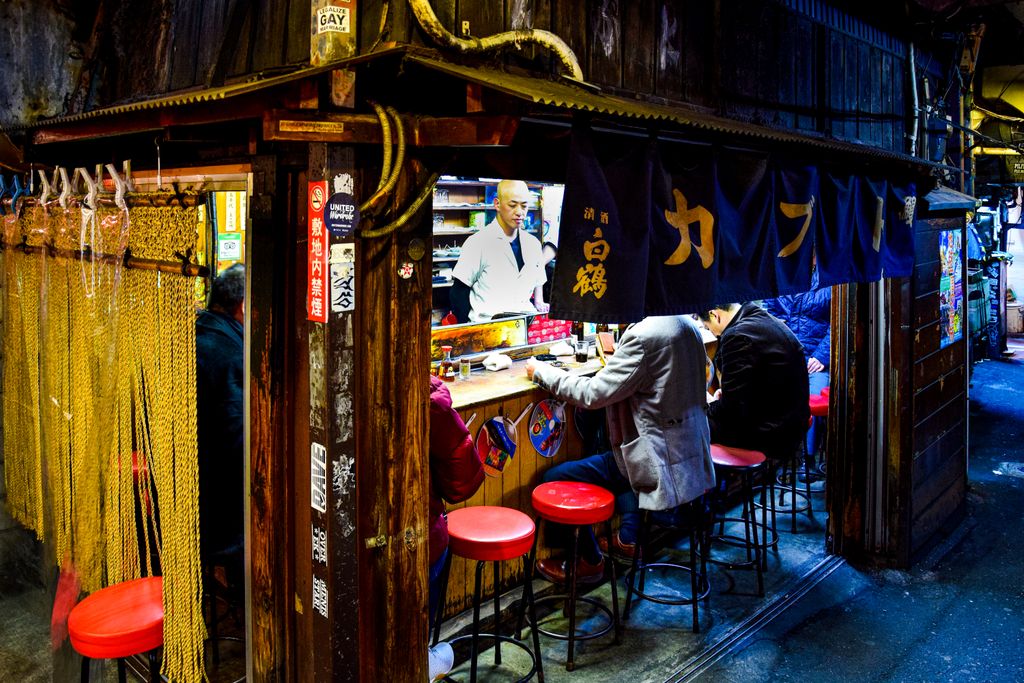
Tucked away in the narrow alleys of Memory Lane, these tiny stalls are where you’ll find the soul of Shinjuku’s nightlife. 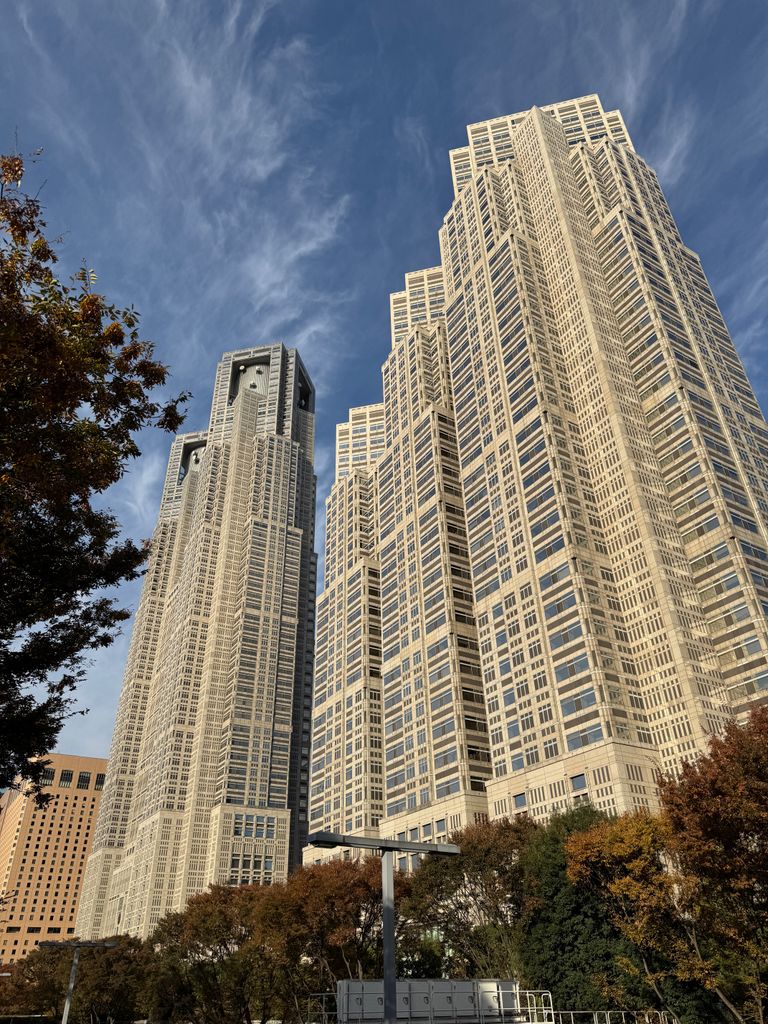
The twin towers of the Metropolitan Government Building offer some of the best—and completely free—views of the city skyline. 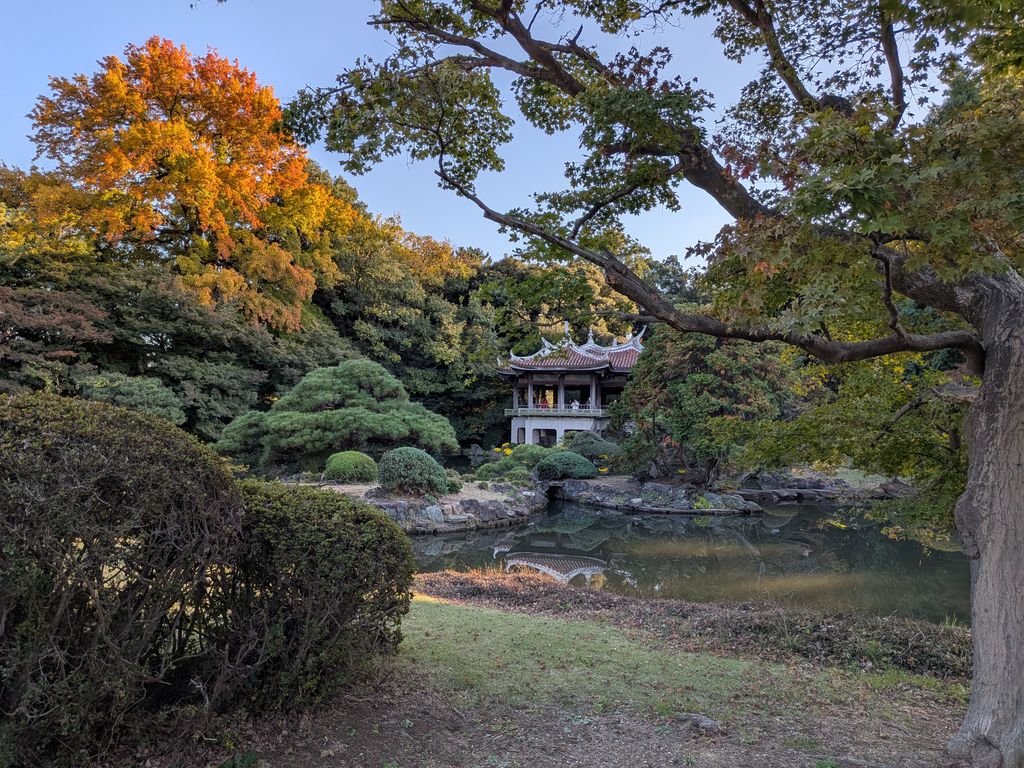
When the city’s energy becomes too much, the Shinjuku Gyoen National Garden provides a peaceful escape from the chaos.
Shibuya
If Shinjuku is the grungy, neon heart of the city, Shibuya is its stylish, chaotic sister. It’s the place where Tokyo’s youth culture comes to play, bursting with energy, cool boutiques, and endless people-watching opportunities. While I enjoy the vibe here much more than in Shinjuku, I wouldn’t personally base myself here; the sheer volume of tourists and the non-stop crowds can make it a bit exhausting after a long day of exploring. Still, you absolutely have to experience it—it’s the classic Tokyo scene that you’ve seen in every movie.
Sight: Shibuya Crossing Widely considered the busiest intersection in the world, the real trick is watching the chaos from above. Head to the second-floor Starbucks overlooking the crossing for the best vantage point to see the organized madness unfold.
Culture: The Hachiko Statue Located right outside the station, this kawaii statue honors the loyal Akita dog who waited for his owner every day for years, even after his master passed away. It’s a touching, quiet moment amidst the overwhelming bustle of the neighborhood.
Nature: Yoyogi Park & Meiji Jingu Shrine A short walk from the neon frenzy, this massive green space offers a complete contrast. Meiji Jingu is one of Tokyo’s most significant shrines, tucked into a dense forest that makes you forget you are in the middle of a megacity.
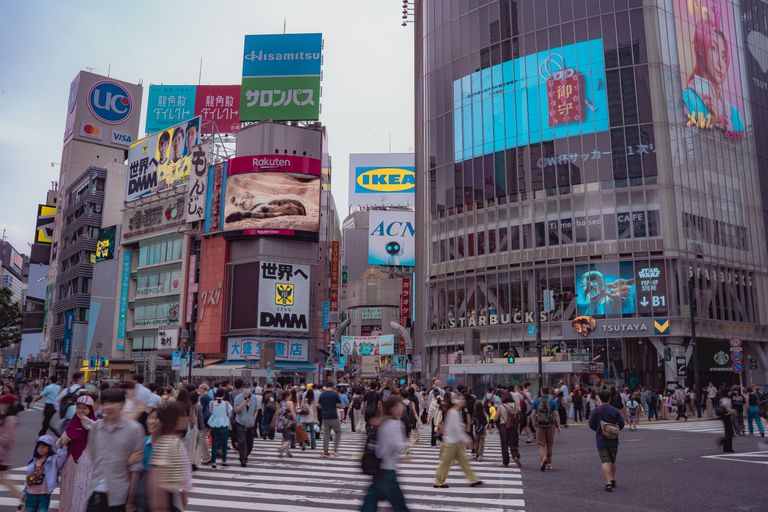
Thousands crossing at once. It’s chaotic, but somehow it just works. 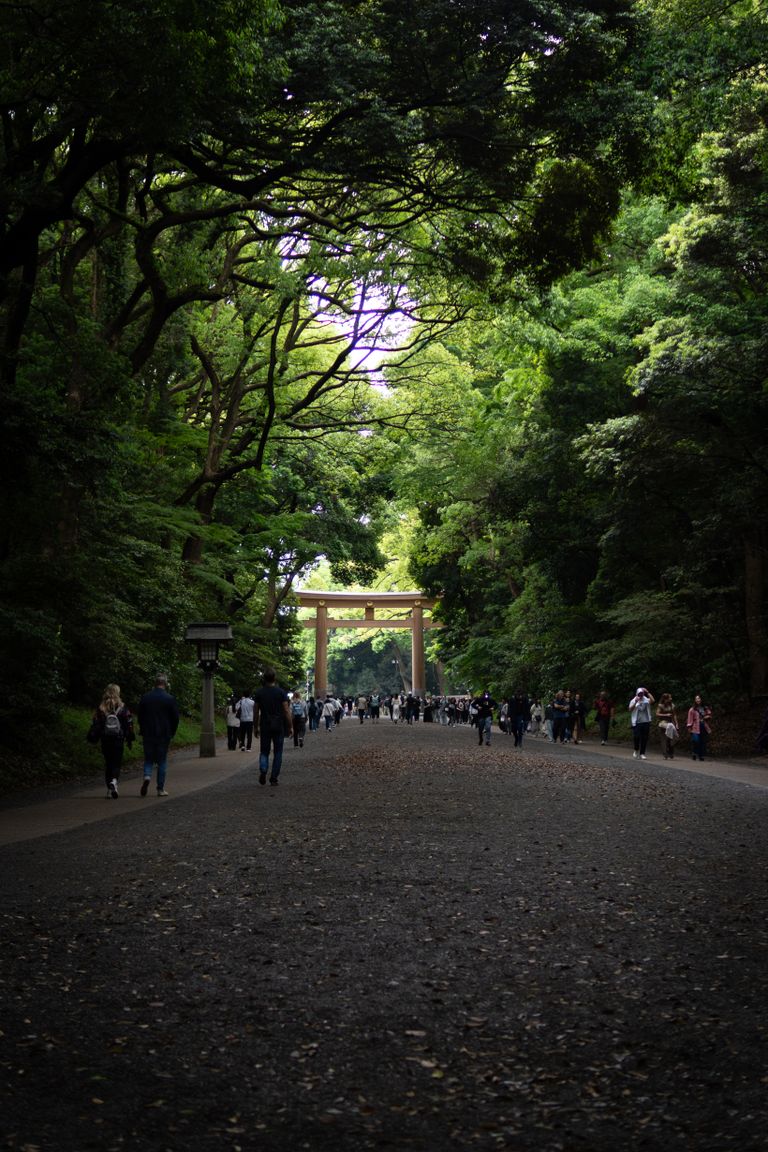
The forest path leading to the shrine. The city noise actually disappears once you’re inside. 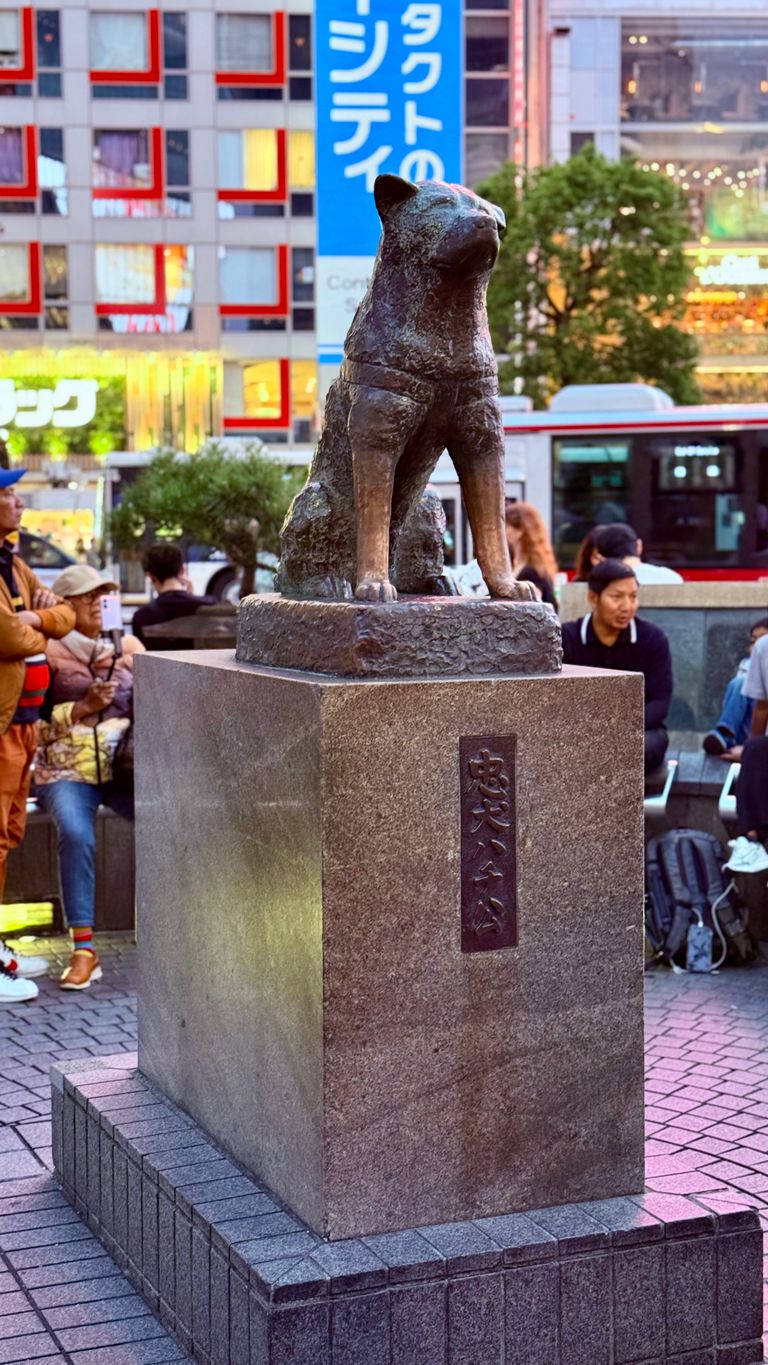
The Hachiko statue. Always crowded, but it’s a classic meeting spot for everyone.
Akihabara
I love Akihabara—it is an absolute paradise for gamers and anime lovers, and it’s a goldmine if you’re into the Tokyo Drift style of car culture. It’s bright, loud, and crazy. If you want to be near the action but not living right inside the neon chaos, look at staying one stop down the line in Asakusabashi. You’re only a minute away from the energy, still super close to the “Loop” but you get a much quieter place to actually sleep at night.
Shopping: Radio Kaikan & Mandarake Complex: These are the giants of Akihabara. Radio Kaikan is a vertical maze of hobby shops, and Mandarake is the go-to for deep dives into rare collectibles and vintage finds.”
Fun: The Arcades (Gigo or Taito Station) You can’t miss these. They are multi-story buildings packed with claw machines, rhythm games, and fighting games. It’s loud, sensory overload, and the best way to waste a few hours.
Culture: Kanda Myojin Shrine A stunning, vibrant shrine that feels like the neighborhood’s grounded soul. It’s famous for bridging the gap between old tradition and modern tech—you can even get charms for your electronics here.
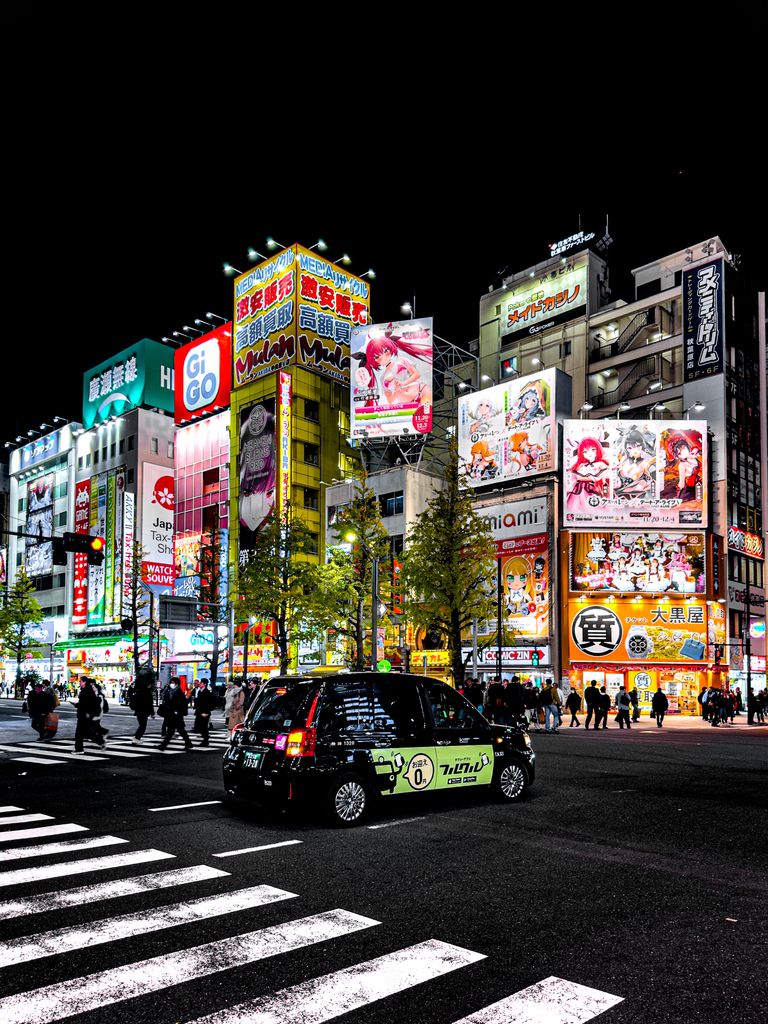
The neon-soaked streets of Akihabara at night. It’s loud, bright, and exactly what you expect. 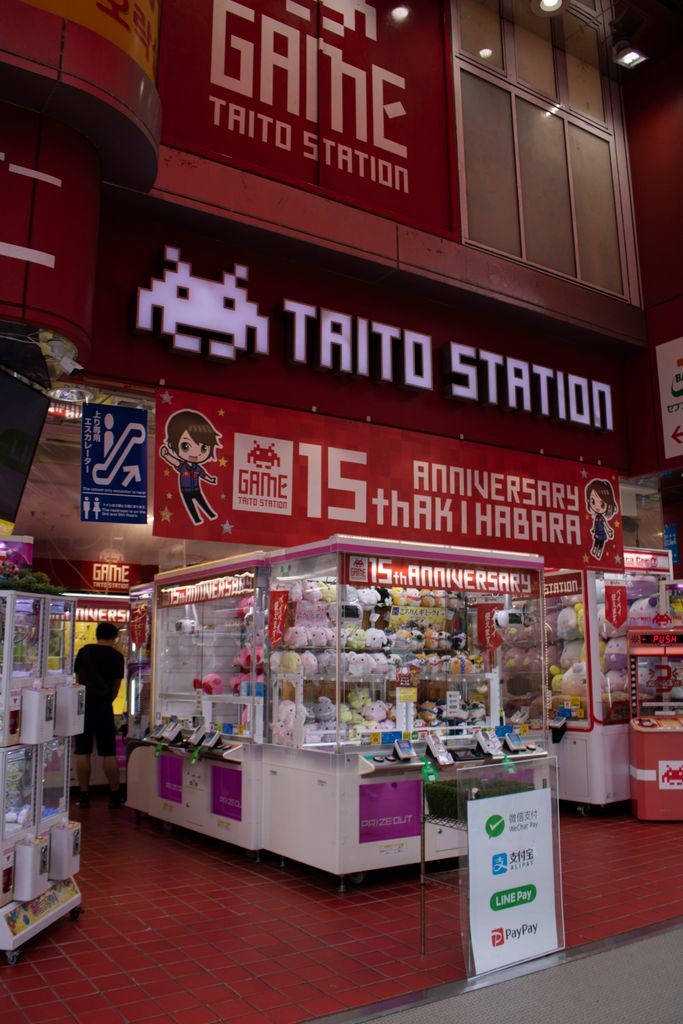
Inside one of the multi-story arcades. It’s sensory overload in the best way possible. 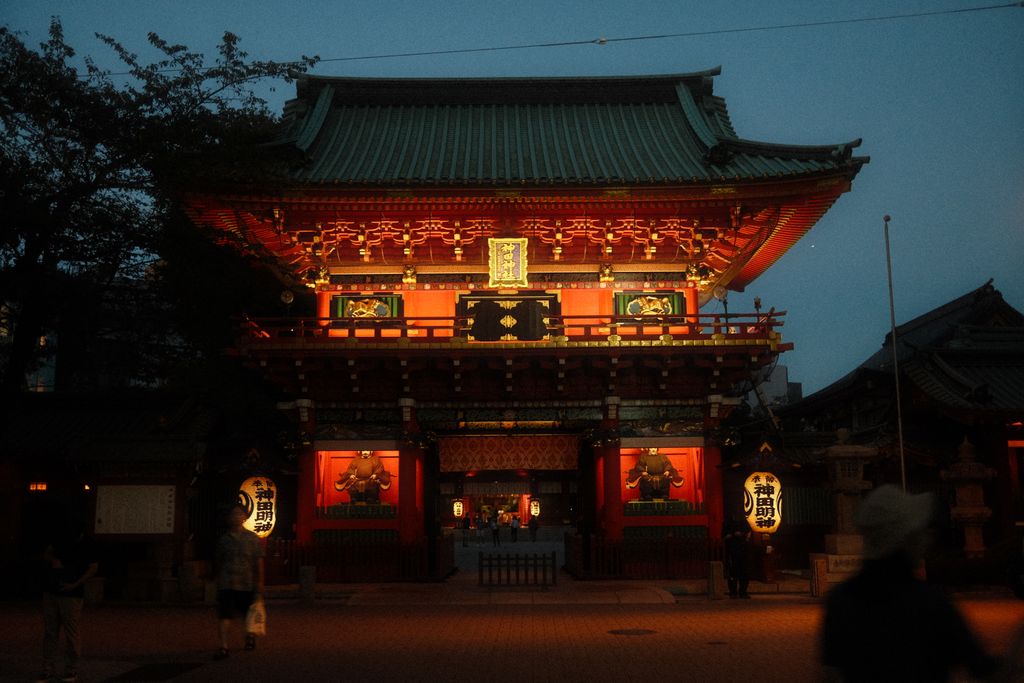
The Kanda Myojin Shrine lit up at night. A quiet, grounded contrast to the surrounding electronics district.
Ikebukuro
If you want great shopping but more breathing room, this is your spot. It’s more spread out than the others, and while the shopping districts get busy, they don’t feel quite as frantic or hectic as Shinjuku or Shibuya. It has a great local energy that feels a bit more manageable while still being packed with entertainment.
Must-See: Sunshine City This massive shopping complex is the heartbeat of the neighborhood. You could easily spend a whole day here exploring the shops and restaurants.
For Fans: Pokémon Center Mega Tokyo Located inside Sunshine City, this is the flagship store. It’s a paradise for Pokémon lovers, and the attached sweets cafe is a perfect pit stop.
Vibe: The Backstreets Step away from the main department stores and wander the surrounding streets. You’ll find smaller, unique shops and eateries that give the area its true character.
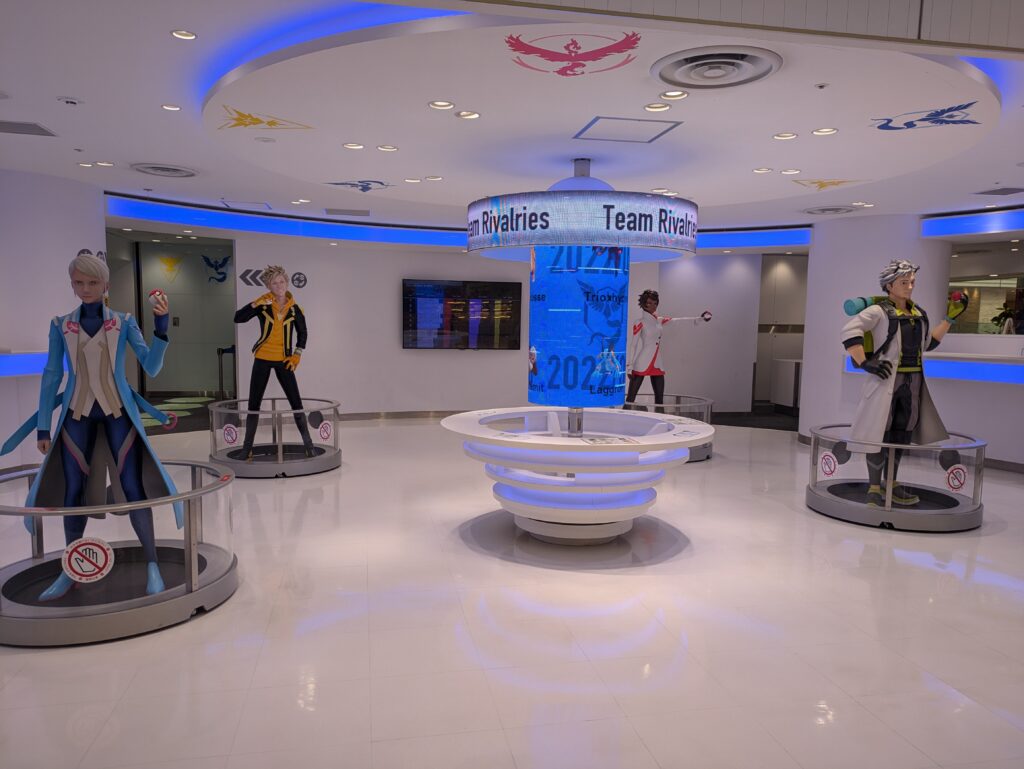
Choose your team – Pokemon Centre Mega Tokyo 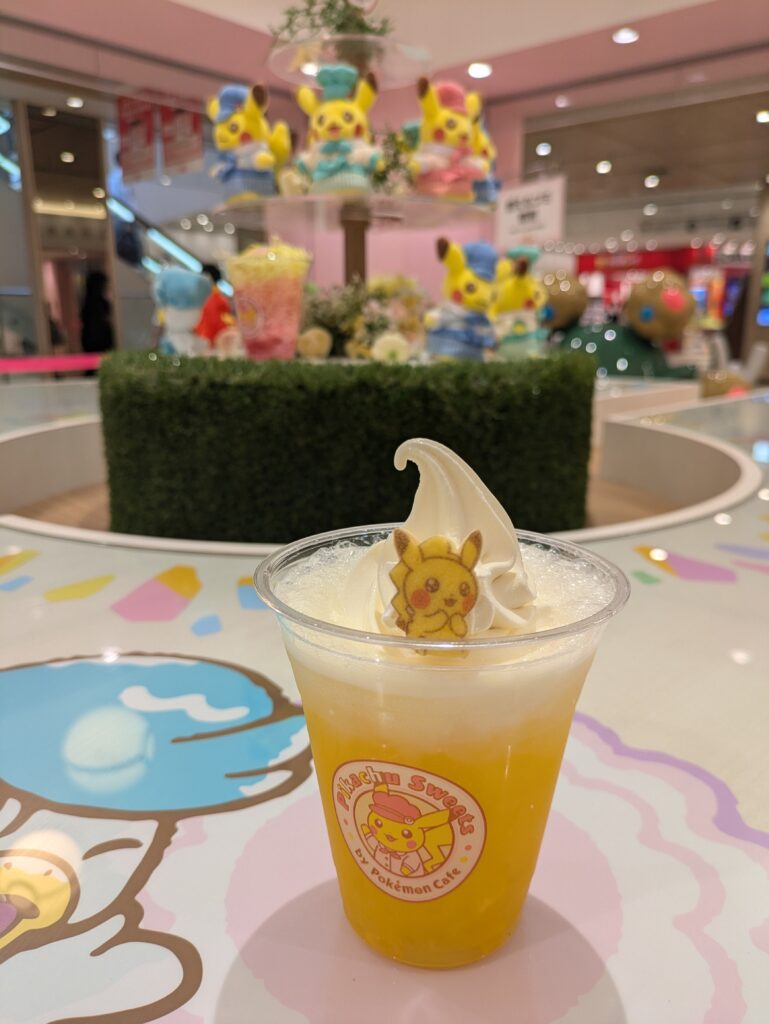
A sugar filled treat from Pokemon Sweets 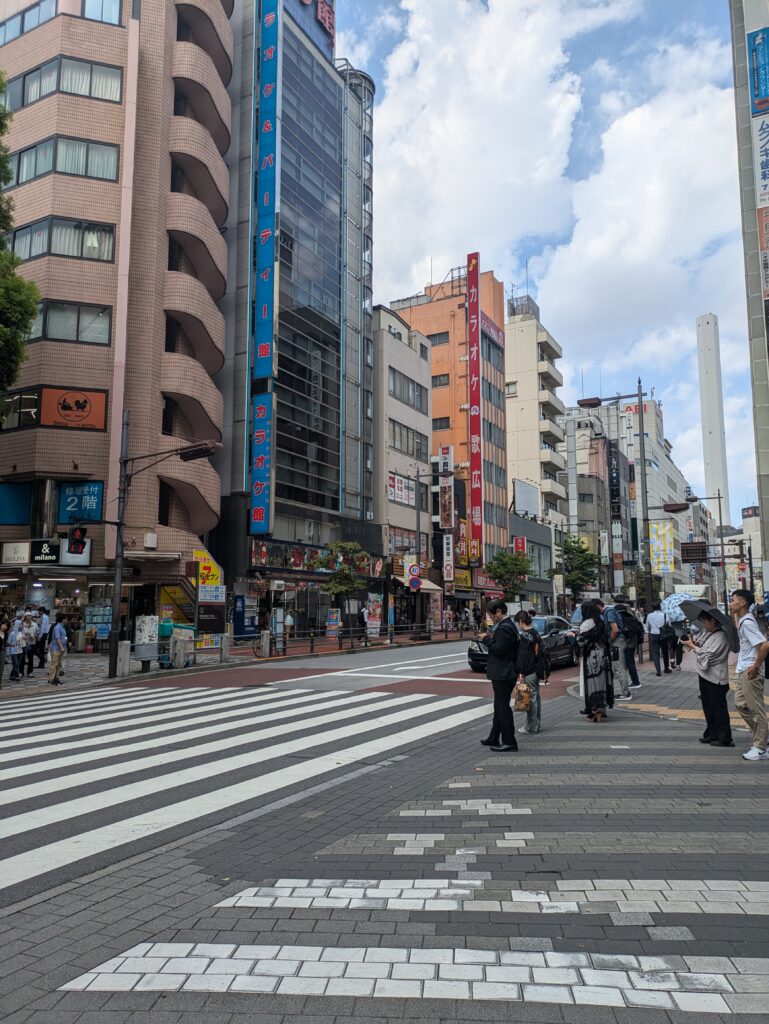
The almost retro vibe of Ikebukuro streets
The Local Sanctuaries
Best for: Readers looking for history, refined dining, transit convenience, and a slightly more “settled” atmosphere. If you are researching where to stay in Tokyo and prefer a quieter neighborhood that still offers easy access to the action, these spots provide the perfect balance.
Ueno
Ueno is a grounded, family-friendly area that combines Tokyo’s history with a slice of daily life. I loved staying here; it’s a more chill place to come back to at the end of the day, with enough local life to keep things interesting without ever feeling overwhelming. It’s got amazing access to the main train lines, plus easy connections heading out toward Asakusa—but I’ll talk about those routes in the bonus section at the end of the guide.
Best Activity: Ueno Park This park is the soul of the area. It’s huge but easy to navigate, home to the zoo and the Tokyo National Museum. It’s the kind of spot where you can spend a morning or a whole day just wandering around between nature and history.
Local Energy: Ameyoko Market Just a quick walk from the station, this open-air market street is popular with the locals and the tourists. It’s many different stalls and shops sell everything from snacks and street food to clothes, and the vibe here is great.
Hidden Gem: Ueno Toshogu Shrine Tucked away within the park, this gold-leafed shrine feels like a quiet pocket of another era. It’s ornate and very peaceful, giving you a moment of stillness that feels miles away from the market stalls just outside the gates.
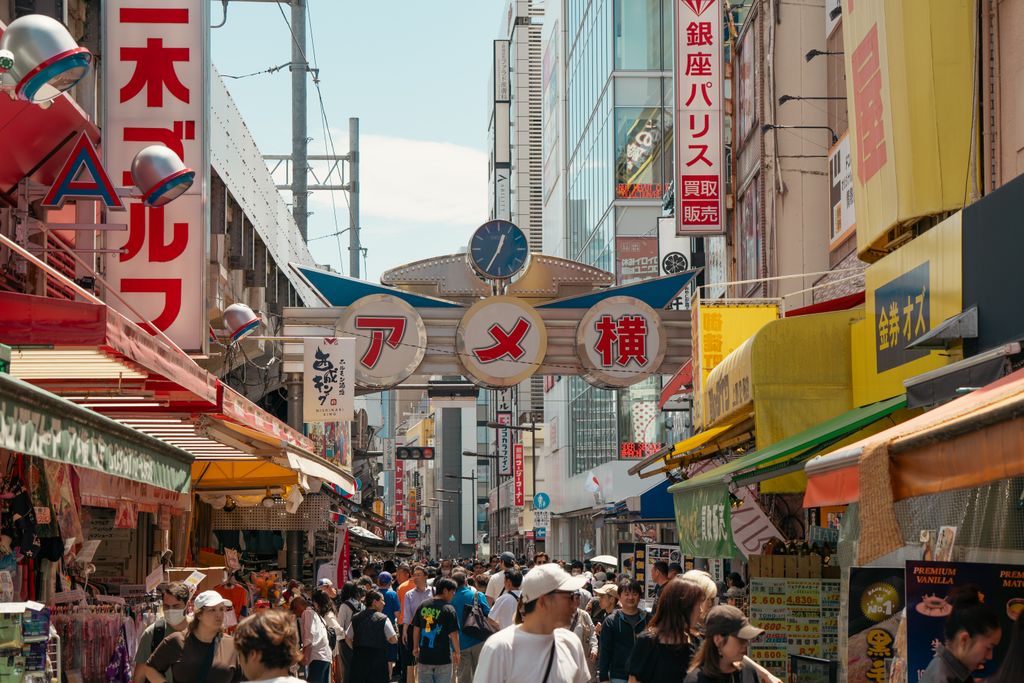
The bustling, open-air energy of Ameyoko Market. 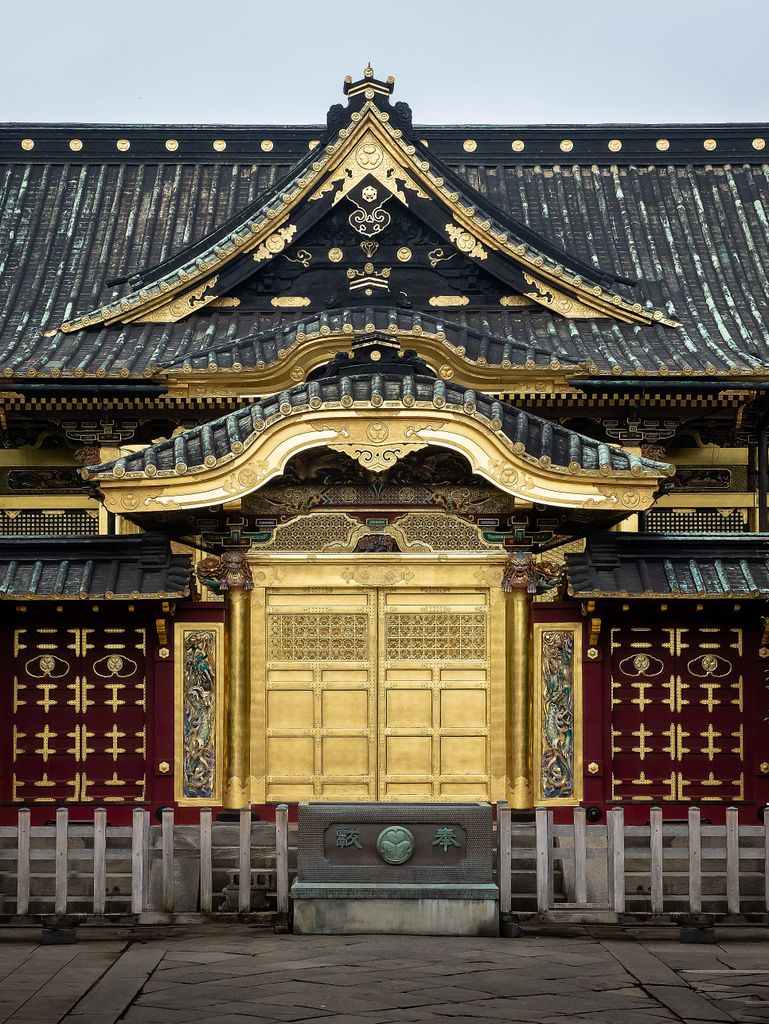
The intricate gold-leaf detailing of the Ueno Toshogu Shrine. 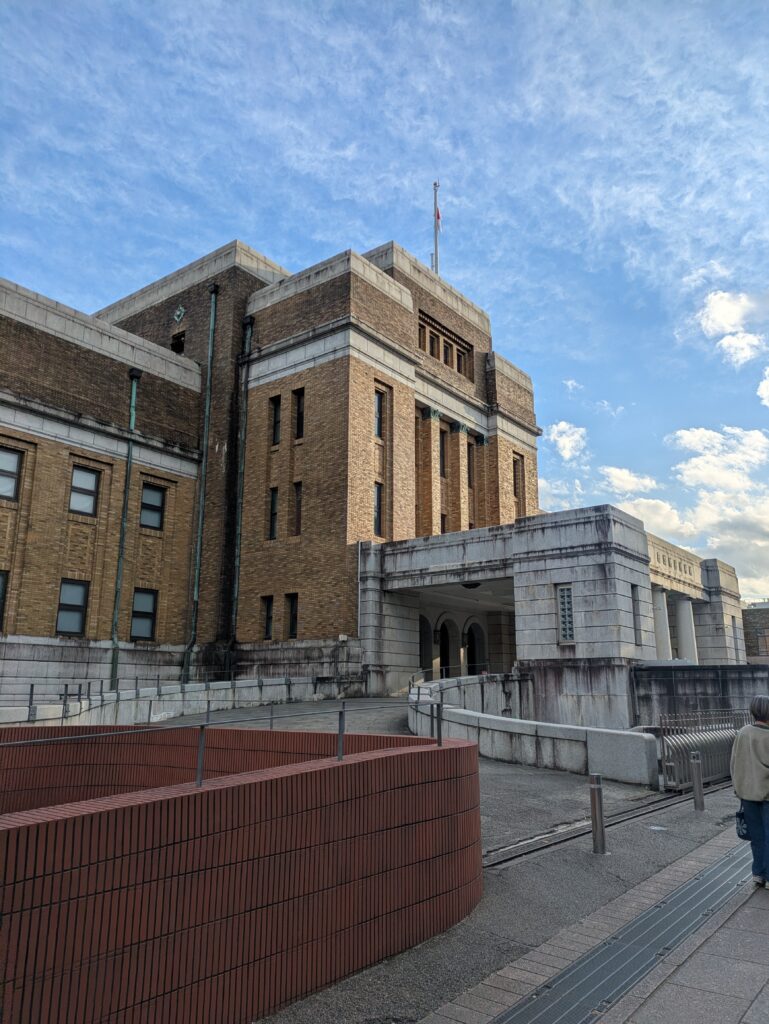
The National Museum of Nature and Science, a landmark nestled within the grounds of Ueno Park.
Ebisu
Ebisu is a low-key part of the city that has a nice balance between residential comfort and high-end taste. It’s one of those neighborhoods where it feels sophisticated and settled without losing its local edge. While it lacks the neon chaos of the bigger neighborhoods, it makes up for it with some of the best restaurants and bar scenes in Tokyo, offering a more relaxed, “grown-up” and fancy side of the city – maybe a bit too fancy for me, but if you enjoy the finer things, this is the place to be.
Best Activity: Yebisu Garden Place This is the area’s social center. Built on the former site of a brewery, it’s a spacious, beautifully designed complex that feels more like a European square than a standard Tokyo mall. It’s great for wandering around, grabbing a coffee, or visiting the museum, and it’s especially nice as the sun starts to set.
Local Energy: Ebisu Yokocho Tucked away near the station, this indoor market alley is the complete opposite of the quiet side streets. It’s a dense, buzzy collection of tiny stalls serving everything from yakitori to oden. It’s loud, crowded, and intimate—the perfect spot to grab a drink and see how the locals unwind after work.
Hidden Gem: Ebisu Shrine A small, quiet sanctuary nestled right in the middle of the neighborhood’s modern streets. It’s nothing massive, but it’s a perfect little pocket of stillness where you can step off the sidewalk for a minute of quiet before heading back to the bars and restaurants nearby.
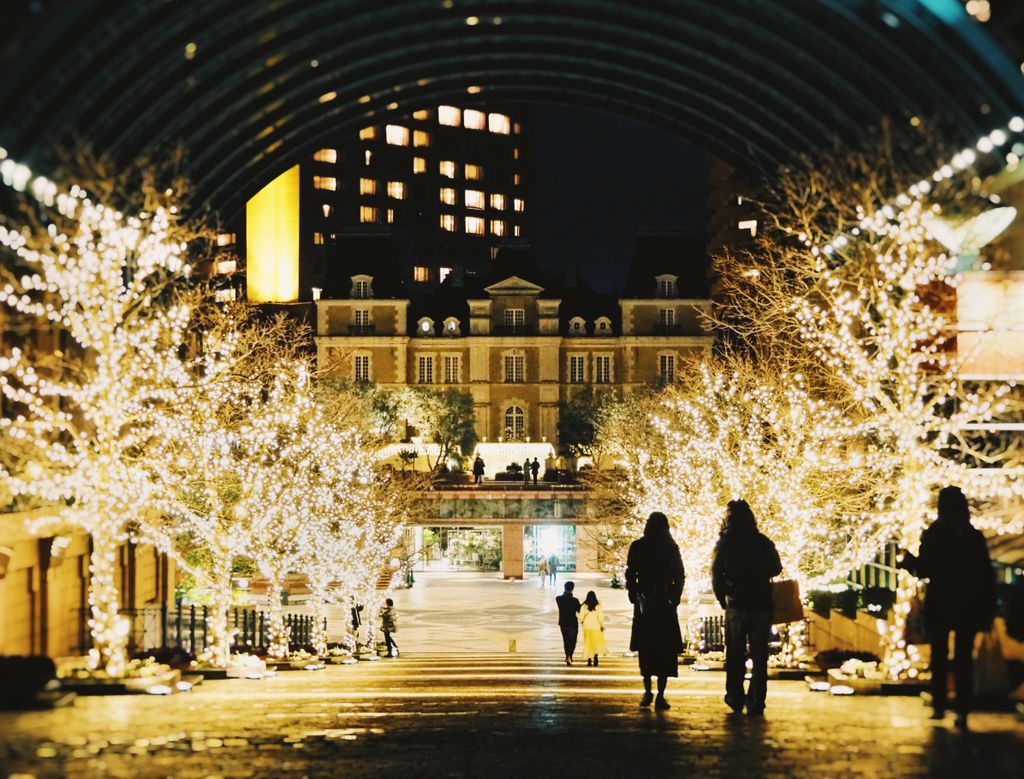
The magical winter illumination promenade at Yebisu Garden Place, with the château standing grand in the distance. It’s that sophisticated, “fancy” side of Tokyo, right in the heart of the neighborhood.
Shinagawa
When I first booked my stay here, I wondered if it was too far out of the way—looking at the train loop, Shinagawa sits on that big dip at the bottom. But in reality, wherever you are in Tokyo is the center, and I’m glad I took the chance. This place felt like home; it was spacious and had a genuine local feel. We’d hang out on the playground when we got home after long days, listening for the 5pm announcement song that plays over the speakers to test the emergency warning system. It truly felt like I lived there.
Historic Atmosphere: Shinagawa Shrine This is a hidden-in-plain-sight kind of spot. It’s got a beautiful torii gate and a steep staircase that leads you up to a quiet, elevated vantage point. It’s the perfect place to get a sense of the area’s history away from the modern station buildings.
Local Route: The Former Tokaido Road Walking this historic route gives you a different perspective on the city. It was a major thoroughfare during the Edo period, and you can still find pockets of old-school architecture and atmosphere here that feel completely detached from the frantic pace of the nearby business district.
Family Afternoon: Shinagawa Aquarium A great spot if you’re looking for something a bit different, especially if you have kids in tow. It’s tucked away near the bay and feels much more like a neighborhood attraction than a massive tourist trap. Walking through the underwater tunnel is a fun way to escape the heat or the rain for a few hours.
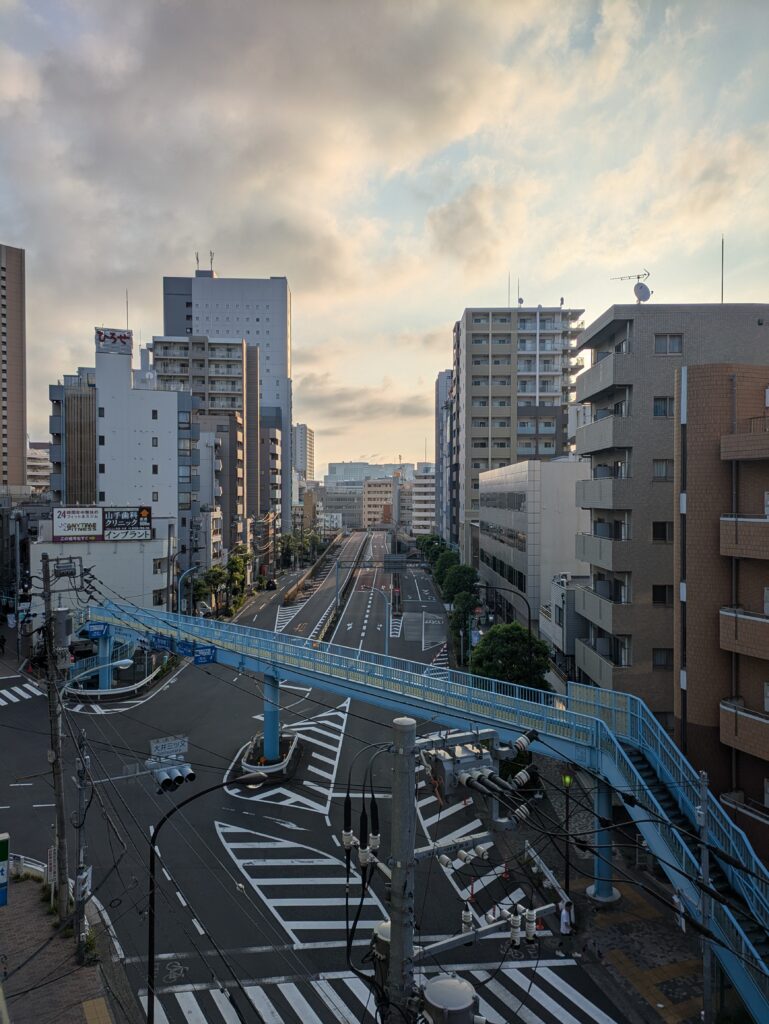
Watching the city wake up from our spot in Shinagawa. It really started to feel like home here. 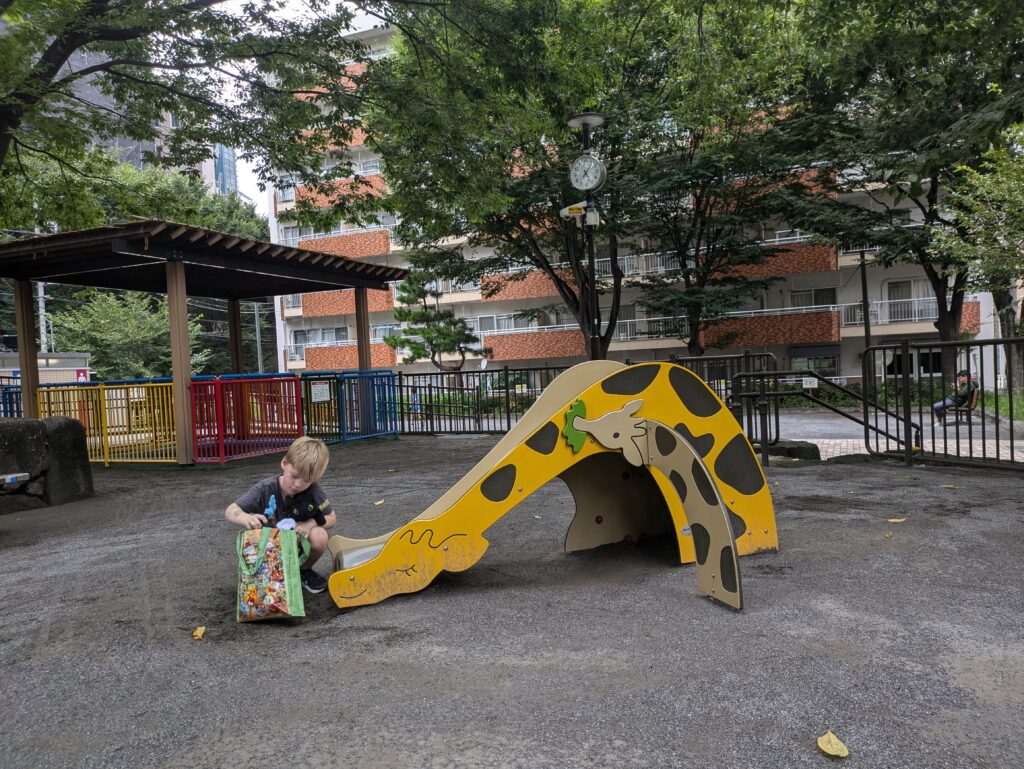
Our daily post-adventure ritual at the local park. This is where we’d wind down after long days exploring. 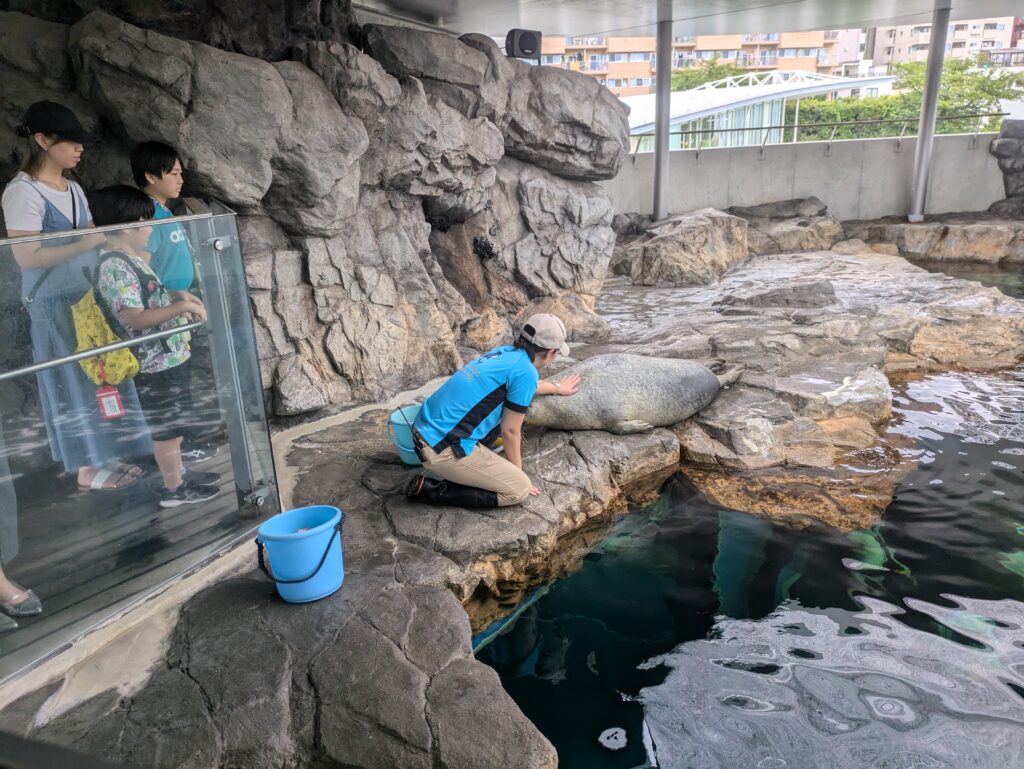
A quiet afternoon at the Shinagawa Aquarium—the perfect neighborhood escape.
Tokyo Station / Marunouchi
This area feels a lot like Melbourne to me. It is a concrete jungle, sure, but it’s cool and sleek. It’s not about the neon craziness of other parts of the city; it’s about wide, clean streets, sharp boujie architecture, and a sense of scale that makes it seem totally different to everywhere else in Tokyo. I enjoy the atmosphere here—the way the afternoon light hits the glass towers and the contrast between the historic brick and the modern steel makes the whole district feel like an architecture exhibit.
Historic Gateway: Tokyo Station Building You can’t talk about this area without mentioning the station itself. The red-brick facade is a complete contrast to the skyscrapers surrounding it. It’s a beautiful piece of history that’s been restored to its former glory, and it serves as the perfect anchor point for everything else in the neighborhood.
Urban Oasis: Wadakura Fountain Park This is one of the few spots that really captures that “sleek” vibe. It’s a beautifully maintained public space that feels like a quiet gallery under the open sky. It’s a great spot to grab a coffee, sit for a bit, and just watch the city move past without the usual clutter.
Imperial Palace East Gardens: If you want that “concrete jungle” contrast, this is it. You walk a few minutes from the station, cross the moat, and suddenly the skyscrapers are framed by massive stone walls and carefully manicured gardens. It’s the former site of Edo Castle, and it’s a perfect place to wander when you’ve had enough of the steel-and-glass grind.
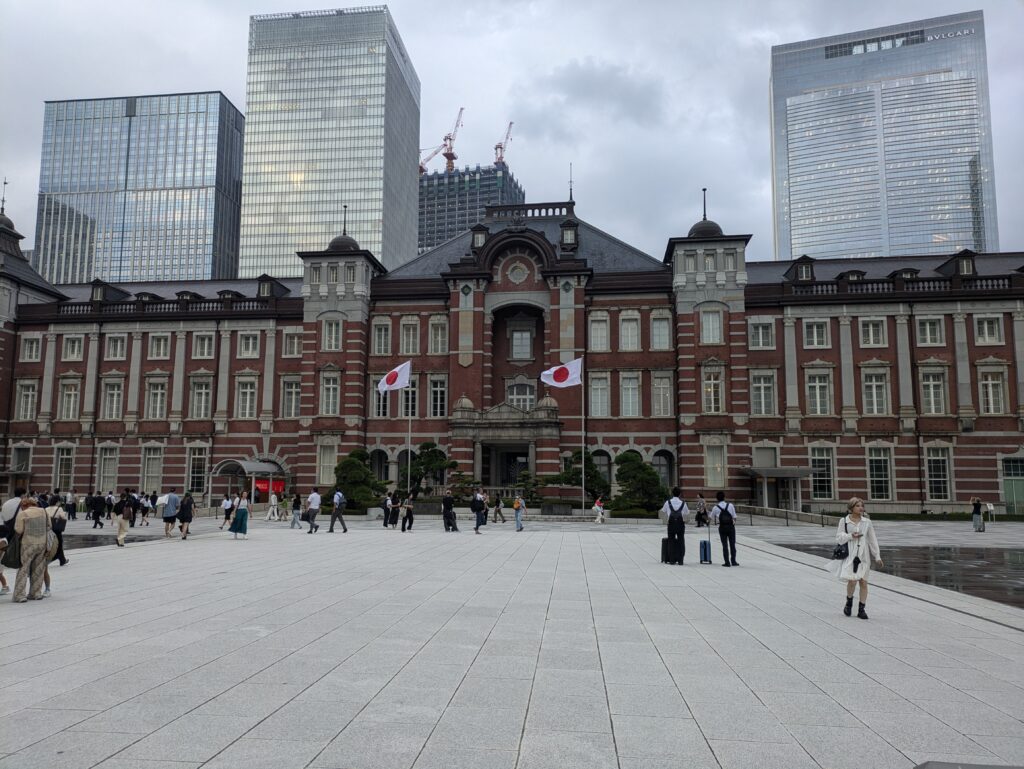
The red-brick anchor of the city
of Tokyo Station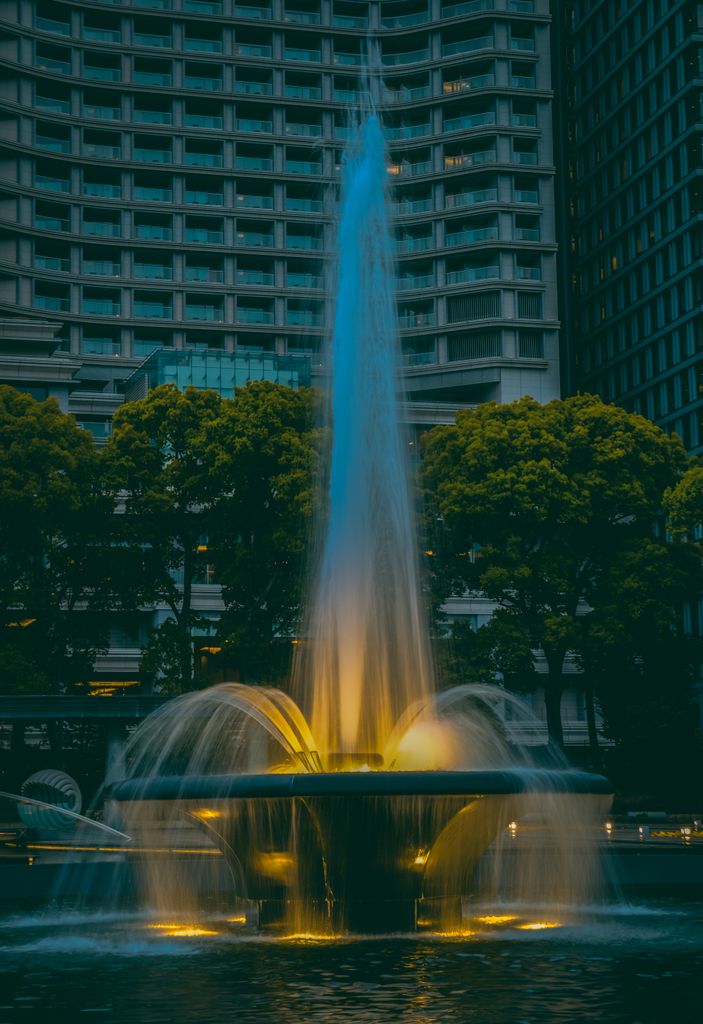
Wadakura Fountain Park 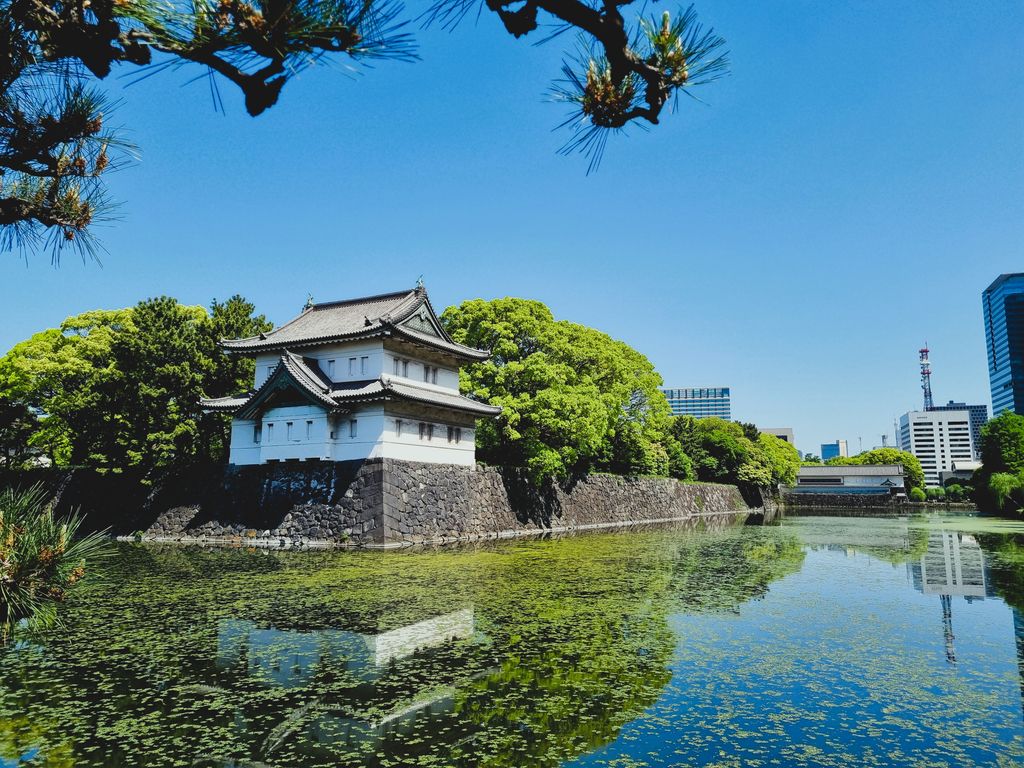
The ancient stone walls against the greenery
at the Imperial Palace East Gardens
Beyond the Loop: Three Essential Detours
Sometimes the best part of a Tokyo trip is stepping just outside the Yamanote Line. These areas are incredibly easy to reach, offering a completely different flavor of the city without requiring a complicated commute.
Asakusa
While I’ve categorized this as a detour, let’s be clear: this should be at the absolute top of your list. It feels like stepping into old-school Tokyo, home to Senso-ji, the city’s oldest temple. The atmosphere is thick with history, traditional crafts, and street food, moving at a pace that feels intentionally slower than the rest of the metropolis. It’s an essential visit for that classic, lantern-lit aesthetic, even if it sits just slightly off the main loop.
Nakano
Think of this as the more affordable, local, and slightly “quirky” cousin to Akihabara. Nakano Broadway is a multi-story mall legendary among collectors for its vintage toys, manga, and retro tech. The surrounding neighborhood is filled with narrow lanes and inexpensive izakayas, making it a fantastic place to eat like a local without the tourist prices.
Tokyo Bay (Urayasu/Maihama)
If you need to step away from the city grind, this is your suburban sanctuary. Famous for being the home of the Tokyo Disney Resort, it’s much more than just theme parks. The area offers coastal promenades, tranquil waterfront parks, and a slower, more deliberate rhythm of life. It’s a great place to stay if you want larger, family-friendly hotel rooms and a view of the water, all while remaining a short, easy train ride away from the heart of Tokyo.
Final Thought
At the end of the day, there is no “correct” neighborhood to stay in. The “best” place is simply the one that lets you return after a long day of walking and feel like you’ve actually arrived home.
Whether you choose the high-energy pulse of the Yanamote line “Loop” or the quiet, grounded streets of a local sanctuary, remember this: the city is designed to be navigated. Once you stop fearing the scale of Tokyo and start trusting the rhythm of the trains, you’ll realize that the entire city—from the neon lights to the hidden shrines—is yours to explore.
Wherever you are on the Yamanote Loop is the center. Because of how these lines connect, if you’re based on the Loop, you can get anywhere in the city with ease. Even if you find a perfect spot just one or two stops off the line, the transit is so efficient that it’s just as easy to navigate. Don’t feel pressured to pick the neighborhoods I’ve highlighted here – seriously, any base you choose along the Loop will be perfect. Don’t overthink the hotel choice; just pick a base, hop on the line, and let Tokyo show you what it’s made of.