Shinjuku Travel Guide:
Where to Stay, What to Do & Hidden Corners
When you think about traveling to Tokyo, most people’s minds jump straight to Shinjuku or Shibuya—they are famous for a reason. Shinjuku is busy, chaotic, and eclectic; it’s a part of the city that simply doesn’t sleep. If you want to be right in the thick of high energy, with the busiest train station in the world at your doorstep, Shinjuku might just be your place. From the corporate skyscrapers and hotels of the West side to the packed alleys and nightlife on the East, it’s a neighborhood of wild contrasts.
Although Shinjuku isn’t for everyone, location-wise you really can’t beat it. So many lines run through this major hub that you don’t just have a lively neighborhood outside your door—you have the whole city within easy reach, usually without the headache of multiple transfers. Yes, it is busy—very, very busy—but if you like being in the heart of the action, this is it. Just don’t expect it to be pristine and quiet like other parts of Tokyo.
If you choose Shinjuku as your base, know that if the pace gets to be too much, there are beautiful spaces only footsteps away that will make you wonder how the city can be so overwhelming one minute and so peaceful the next.
Where to Stay in Shinjuku
Because Shinjuku is so massive, where you drop your bags actually matters. If you want that classic, high-energy Tokyo experience, you are going to be tempted by the East side. But fair warning: that area is the center of the city’s nightlife and doesn’t quiet down until the sun comes up. If you value a good night’s sleep, look toward West Shinjuku instead. It is mostly corporate towers and high-end hotels, meaning you get a much more polished, quieter experience that is still just a short walk from all the station madness.
The West Side
The High-Rise Retreat If you are traveling with family or just want a quiet room at the end of the day, this is your best bet. West Shinjuku has wide avenues, big corporate towers, and reliable hotels. It is professional, polished, and way quieter once the sun goes down. You are still close enough to the station to walk right into the energy, but when you head back to your room, you can actually hear yourself think.
The East Side & Kabukicho
The Night-Owl Spot If your goal is to walk straight out into the bustling Tokyo you’ve seen in every movie, this is it. It is packed tight with izakayas, bars, and clubs.
- The Reality: It is famous for a reason, and it is the beating heart of the city’s nightlife. If you are chasing that high energy and don’t care about a bit of late-night noise, having everything right on your doorstep is hard to beat. But fair warning: because this area literally never sleeps, it is also where you will see the grittier side of Tokyo. It is busier, noisier, and a bit rougher around the edges compared to almost anywhere else in the country.
- The Catch: If you are traveling with kids, I wouldn’t recommend staying in the heart of Kabukicho. It is a 24/7 entertainment district, and it just isn’t the right vibe for a family base. If you still want to be on the east side, look for a hotel on the outer fringe, or head over to the West side for a much calmer atmosphere.
Shinjuku-sanchome
The Middle Ground If you want something that feels less like a giant transit hub and more like a real neighborhood, look around Sanchome. It has a great mix of department stores, smaller independent shops, and local restaurants. It feels like a place where everyday people actually hang out, giving you a slightly more grounded vibe while keeping you super central.

Things to do in Shinjuku
Shinjuku is busy, no other way to put it. So it’s all about balancing the energy of the streets with a bit of quiet. My suggestion is mixing a few classic, must-see spots with lesser-known corners where you can lower the cortisol a bit and stumble on some unexpected history in the middle of a modern metropolis.
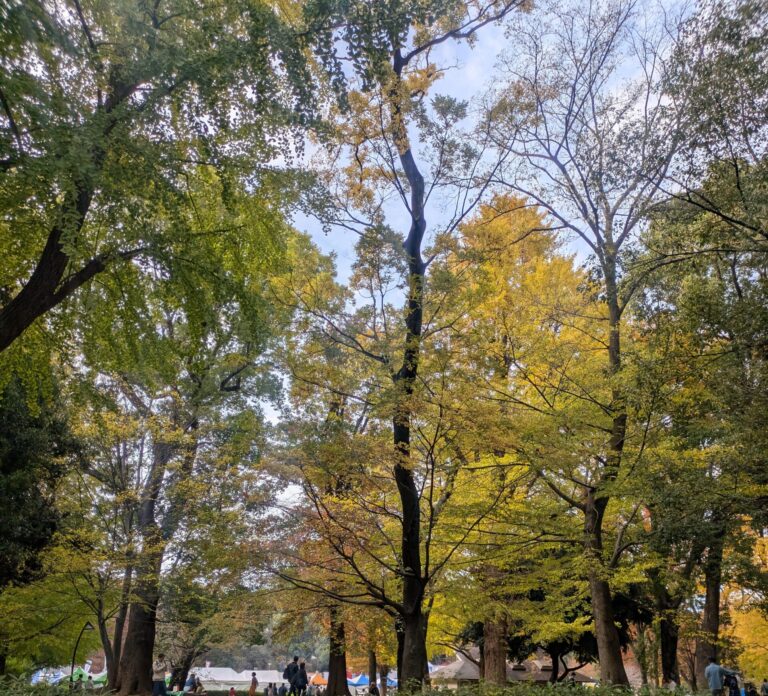
Shinjuku Gyoen
Cost is 500 yen to enter. This is the best place to escape the concrete for a bit. It’s a massive mix of wide lawns, open sky, and a traditional Japanese landscape garden with stone bridges and quiet ponds. The entire space used to be the Edo-period residence of the Naito samurai family before it became an imperial garden. If you look closely near the inner corners, you can still find little remnants of those old estate grounds. Wander down toward the large lakes—like the Kami-no-Ike pond reflecting the modern skyscrapers in the distance—and you get this wild, beautiful contrast of old and new. Don’t stress about seeing the whole thing; just grab a coffee, find a bench near the water, and sit for a while.
The Godzilla Head & Hotel Gracery
Completely free to check out from the street and lobby. You have to see it at least once. Pop into the hotel lobby to look at the small display of Godzilla memorabilia, then head back outside to watch the giant head tower over the rooftop. The little shops and arcades right around the base are fun to wander through while everyone is standing around looking up.
Omoide Yokocho
Budget around 1,000 to 2,000 yen for a drink and a couple of skewers. It’s cramped, loud, and smells permanently of charcoal smoke. But Memory Lane is worth it if you just lean into it. Wedge yourself onto an old wooden stool, grab a drink and a snack, and just watch the steam rise. It’s messy, old-school, and hasn’t changed much in decades.
Taiso-ji Temple
Free to enter. Tucked away right in Sanchome, this little Buddhist temple is dead quiet compared to the main streets. It’s got a massive, weathered stone Jizo statue that’s been sitting there for centuries, plus a fascinating piece of local folklore attached to it—it’s tied to the story of Oiwa-san, a famous figure from traditional ghost stories whose shrine sits quietly right on the temple grounds. It’s a peaceful, interesting place to duck off the sidewalk and reset for a few minutes.
Tokyo Metropolitan Government Building
Free to enter. If you want one of the best high-altitude views in the city without paying a cent, head over to the Tokyo Metropolitan Government in West Shinjuku. Designed by Kenzo Tange, the twin towers feature free observation decks on the 45th floor that look out over the entire sprawling urban expanse—and on a clear day, you can see straight out to Mount Fuji. It’s a massive, striking piece of architecture from the ground, and a great way to get your bearings over the city without dealing with commercial tourist traps.

Omoide Yokocho, lit up and smoky at night. 
Shinjuku Gyoen, looking across Kami-no-Ike pond. 
The Godzilla head watching over the street from Hotel Gracery. 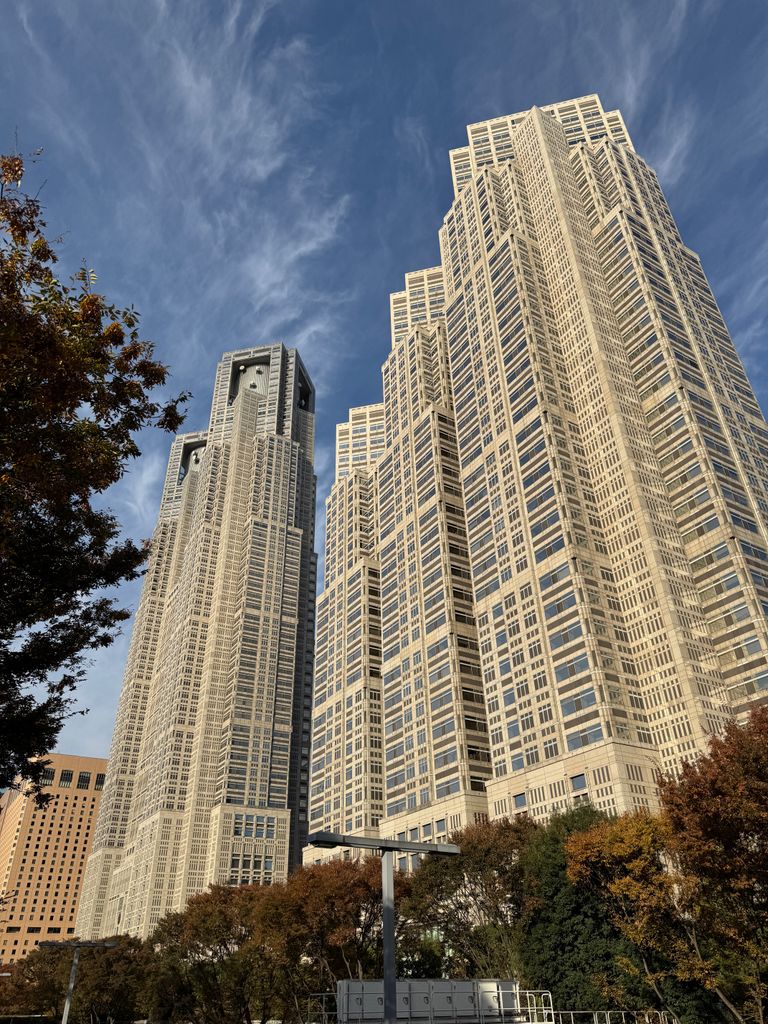
Tokyo Metropolitan Government Building – One of the best views in Tokyo, and completely free.
Where to Wander
Shinjuku is a massive, modern grid for a reason: much of the area was completely flattened during the 1923 Great Kanto Earthquake and again in World War II, meaning most of what you see today was built up fast in the decades since. Because of that, you aren’t going to find sprawling old neighborhoods right in the center. But if you want to stretch your legs, you can either track down the tiny surviving pockets or hop on a short train ride to somewhere with a much better walking pace.
The Backstreets of Shinjuku-sanchome
If you want to stay right in the thick of it without dealing with the major commercial avenues, just start weaving through the side streets of Sanchome. The scale drops instantly. It’s a tight grid of narrow alleys filled with independent clothing shops, tiny coffee counters, and low-rise buildings that managed to keep their character. It feels less like a massive transit hub and more like a real neighborhood where people actually live.
The Aqueduct Remnants (Tamagawa Josui)
If you want to trace the old Tamagawa Josui – the Edo-period aqueduct that once fed water into the city – head to the eastern edge of Shinjuku Ni-chome. Start near the Shinjuku Gyoen tunnel area and look for the sudden shift in the street layout. Because the waterway was paved over long ago, you won’t see a river; instead, follow the narrow, pedestrian-only paths that cut diagonally across the standard grid. Look for rows of trees and small stone historical markers embedded in the pavement. Walk northeast along those quiet, winding green paths away from the commercial noise, and you’ll find a completely hidden side of the neighborhood.
Kagurazaka (10 minutes away)
When you want a complete change of pace with winding alleys and a relaxed neighborhood feel, take a quick train hop just north of Shinjuku to Kagurazaka. It’s a slope filled with back streets tucked right behind the main drag, lined with traditional wooden townhouses, quiet shrines, and small independent bakeries and bistros. It’s one of the best areas in this part of the city to just drift aimlessly with no map and take a breather.
The Residential Edges of Yotsuya (Just down the road)
Right on the eastern edge of the ward, Shinjuku bleeds into quieter residential pockets like Yotsuya. If you wander around here, you’ll find sloping hills, old stone retaining walls, neighborhood shrines tucked between houses, and quiet backstreets where you won’t bump into tour groups. It’s peaceful, leafy, and completely grounded compared to the busy station areas.

Final Thoughts
Although Shinjuku is not my personal favourite, it may very well be yours! Shinjuku is grungy, gritty, and chaotic on the surface, but if you know where to go, there is so much more to this world-famous suburb with the busiest train station in the world. If you walk a little deeper and seek out the quiet streets that aren’t made just to impress a tourist, you will find a different appreciation for this suburb that never sleeps.
If you want to read more about Tokyo’s sprawling suburbs and find one that fits you, check out one of my other posts: Where to Stay in Tokyo: How to Choose the Perfect Neighborhood