The Quiet Frequency: How Japan’s order became my sanctuary.
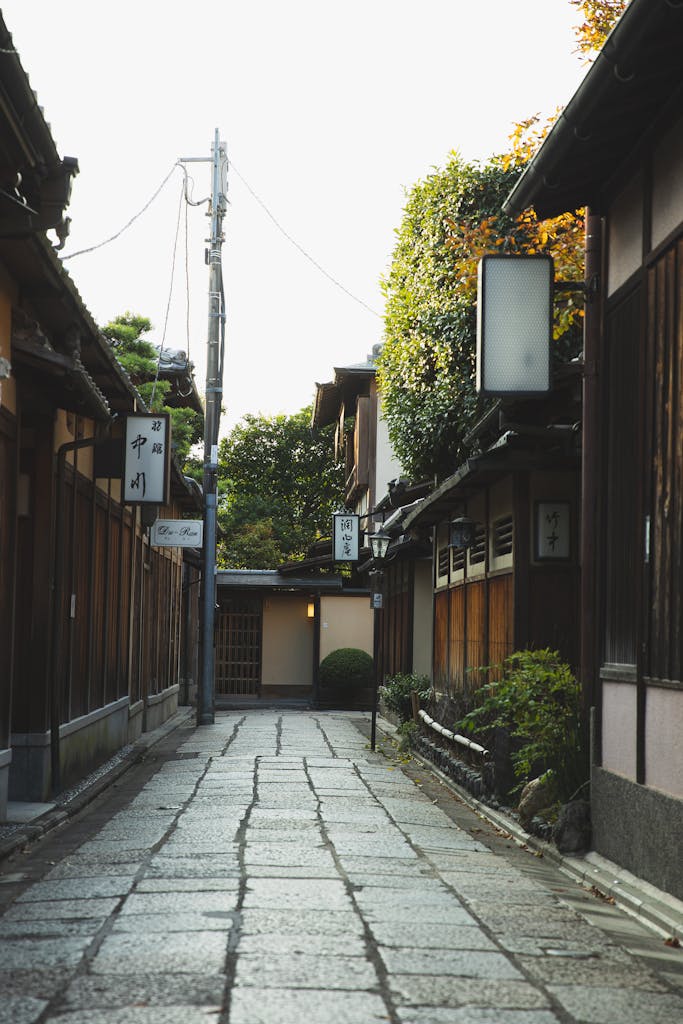
It began with the sounds of the Kana – the phonetic Japanese alphabet – in a 1990s Australian primary school classroom. Japanese was my LOTE subject for the whole seven years of primary school, and I still vividly remember the folded paper cranes of Sadako Sasaki, the haunting history of Hiroshima, and the distant tales of Samurai and Ninja warriors. Faded memories, but ones that were always leading me to Japan. Years later, walking the streets of Gion for the first time with an eleven-month-old in tow, I felt it: a quiet frequency that soothed my own.
Space for a Busy Mind
I won’t use the cliché of saying I felt ‘at home.’ Australia is my home; Japan belongs to the Japanese. But the feeling was something else entirely. It was the feeling of a world finally meeting my brain halfway. For much of my life, I’ve had a feeling like I don’t fit, that my brain is wired differently to the wavelength my world is running on. But in Japan, the wavelength feels intentional.
Part of this feeling came from the culture of respect the Japanese have for themselves, for their land, and for the stranger. It is obvious in the clean streets where, despite there being basically no bins, there is no rubbish to be found—leaving space for a busy mind to relax and slow down. It’s in the soundscapes, where the noises are appropriate for the environment they’re in; where the trains are silent and relaxed, and the streets of Akihabara are allowed to be loud and bright. It’s also in the simple greetings like ‘Irasshaimase‘ – the welcoming word you hear when entering a shop or restaurant. It’s polite and predictable; the guesswork is gone. The safety of knowing how everything works stops the brain from working overtime, silencing any questions or anxieties about how to act and what to do.
The Chaos Contrast
In Australia, life feels more unpredictable. Don’t get me wrong, I love Australia—we live in a very lucky country. It’s just that Australia is a bit more “blunt”. Things are made for a purpose, but rarely for the experience of the person moving through it. I think of the loud, harsh buzzing when you enter a convenience store; it’s there to alert the clerk you’ve arrived, but it’s not made for the customer’s experience,
This compares to the melodic chime of the 7/11 in Japan—the gentle, welcoming tone as you walk through the doors is like an invitation, rather than an alarm. This harsh bluntness is everywhere at home; the chaos of walking through a Melbourne train station is intense compared to the orderly fashion in which things move in Japan. I think of the last-minute announcement over the speakers at Southern Cross Station, alerting you in its scratchy tone that the Upfield line has moved from Platform 12, where you are standing, all the way over to Platform 2.
In Japan, that friction doesn’t seem to exist as much. The trains leave from the platform stated—and always that platform. It is like a promise they have made and intend to keep. There are markings on the ground showing you exactly where to stand when waiting to board, and the unspoken rule of standing to the left on the escalator in Tokyo (and the right in Osaka), leaving space for those in a rush. These simple, respectful steps taken every day by the people of Japan help keep a busy mind from becoming overstimulated.
The Permission to Be Still
People always ask me, why do i keep going back to Japan? beyond the food, the historic shrines, the beautiful nature and the endless sights to see – is the peace. The permission to exist without the friction, and the effortlessness it takes to be still. More than the destination itself, Its the feeling that keeps me coming back. The frequency that fits me.
If you’re feeling drawn to this quiet frequency and want to learn more about the etiquette of Japan, I’ve shared more in my Japanese Etiquette Guide.