Where to Stay in Ueno: An Easy & Practical Neighborhood Guide
On my very first trip to Japan, I stayed in Ueno. At the time, I had an eleven-month-old son and I’d never heard of this neighbourhood – I just saw that it sat on the Yamanote line (back when a JR Pass was still worth the paper it was printed on) and that it held one of the city’s largest parks and a zoo. To a new mum with a baby in tow, it seemed like the perfect place to wander.
What I realized once I arrived was that it was so much more than a convenient dot on a transit map. Yes, The main Ueno Station and its immediate surrounds are hectic; the museums can get crowded at peak times, and the Ameyoko market is loud. But step a couple of streets away, and it’s like you’ve just wandered home. It turns from volume 80% to volume 20% in the space of a block, and suddenly you’re walking past locals on their way from the shops or ducking into a quiet neighborhood shrine.
Ueno has that feeling I’ve come to associate with many places in Japan – that frequency where your brain finally stops running at a frantic pace. I keep calling it “peace,” but that’s exactly what it is.
It’s a strange kind of balance: you can be standing in the middle of a frantic market one minute, and within two blocks, you’re in a quiet street where the only sound is someone hanging out their washing. If you want to keep one foot in the city’s energy and the other in a place where you can just chill, this is it.
(Ueno, by the way, is pronounced “oo-eh-no”—think ‘bueno’ without the ‘b’.)
Staying in Ueno: Why It’s a Practical Base
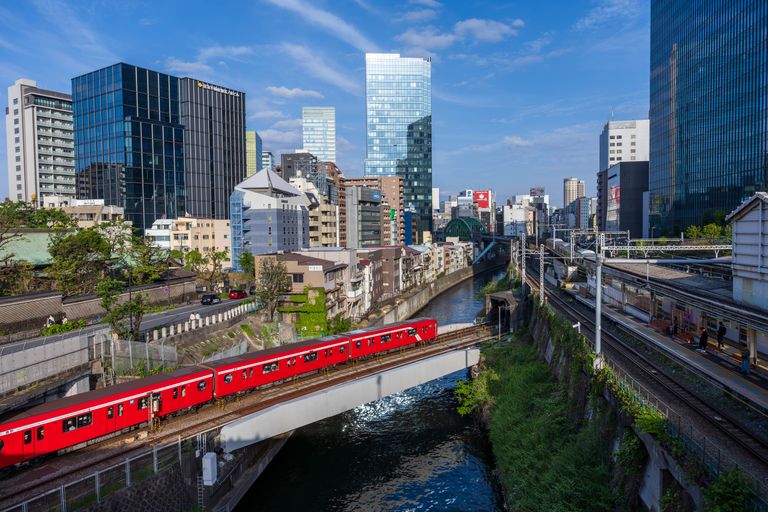
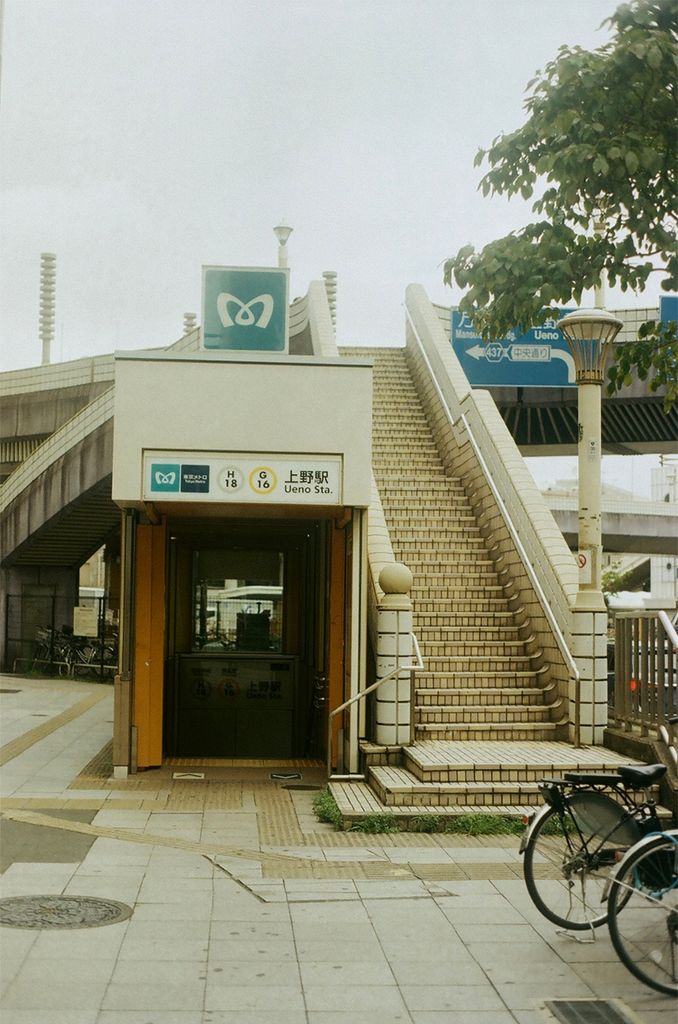
If you’re looking for a base that won’t leave you feeling scattered, Ueno is a natural choice. It isn’t just another stop on the Yamanote line – basically the massive city loop train line – it’s a major station where multiple networks collide.
Ueno Station is a major junction for the Shinkansen lines heading north and west. If you’re planning a trip to Sendai, the Tohoku region, or even across to Kanazawa on the Sea of Japan, you’re already perfectly positioned. If your plans take you south toward Kyoto or Osaka, you’re just a five-minute local train hop from Tokyo Station, where the southern lines begin.
Also, the Keisei Skyliner offers a smooth run straight from Narita Airport. If Ueno is at the start or the end of your trip, this will save you the headache of doing multiple platform transfers when you’ve just landed and are still finding your bearings – or when you’re finishing up a trip and just want an easy run to the Airport.
As I mentioned, Ueno is on the Yamanote line, so you have easy access to basically anywhere in Tokyo. For a popular destination that isn’t on the loop—like Asakusa—you’re in luck. If you want to spend an afternoon wandering the temples in Asakusa, it’s a five-minute trip on the Ginza line from Ueno Station. It’s so direct and affordable that staying in Ueno essentially gives you two neighborhoods for the price of one.
Smaller Nearby Stations
Don’t overthink the exact station. If you find a place that you like but it’s closer to the other train stations in Ueno – Okachimachi, Inaricho, or Uguisudani, take it. These spots are all within a 10 to 15 minute walk from the main Ueno station area anyway. You’re already in the same zone, with all those train lines right there – there’s no reason to pay a premium just to be right on top of the main JR building.
Where to stay in Ueno
Most guides will push you toward the big hotels right across from the main station. If you’re in town for 24 hours and just need to catch the first Shinkansen out, fine. But if you’re actually planning to stay for a few days, I’d look elsewhere.
The Uguisudani Station Area
This is where I stayed on my first trip, and I’d go back. Uguisudani Station is one stop up the Yamanote line from the main Ueno station, or a 10-ish minute walk. It’s much quieter than the area right by the main station.
Why stay here: You get the trains you need without the noise of the main station. It feels more like an actual neighborhood and less like a transit terminal. You can sleep, get your bearings, and not feel like you’re surrounded by people rushing to catch a flight.
Okachimachi & Inaricho
If you walk south toward Okachimachi or east toward Inaricho, the atmosphere definitely changes. It’s a 5–10 minute walk from the main Ueno station, but you’re out of the thick of it.
Why stay here: You’ll find better local izakayas and fewer tourists. It’s a balance: you’re close enough to the station to be efficient, but far enough away that you can actually hear yourself think at night.
Around Ueno Station
This is where everything happens. It’s dense, busy, and always full of people – but that’s also the point.
Why stay here: You’re in the center of the action. You have direct, immediate access to the park, the museums, and the markets. If you want to step out of your hotel and immediately be “in” it, this is the most practical spot. It’s definitely not a quiet residential street, but it’s a great base if you don’t want to spend your morning commuting just to start your day.
Things to do in Ueno
Ueno might not be the prettiest place when taken on face value right from the station, but never judge a book by its cover. The more you venture out into Ueno’s depths, the more you will be rewarded.
Because I couldn’t see everything, here are the places that made the deepest impression on me, alongside a few spots I have saved for our return trips.
National Museum of Nature and Science
This is a must if you have any interest in natural history. The dinosaur fossil collection is legitimately impressive and is a perfect way to spend a few hours, especially if you need a break from the city heat or rain. It is huge, but it is separated well into different sections, and its easy to walk through.
The Experience: Head straight for the dinosaur gallery on the first floor. It is easy to lose track of time just staring at the scale of the skeletons.
Cost: 630 yen.
Getting There: A 5-minute walk from the Ueno Park exit of Ueno Station.
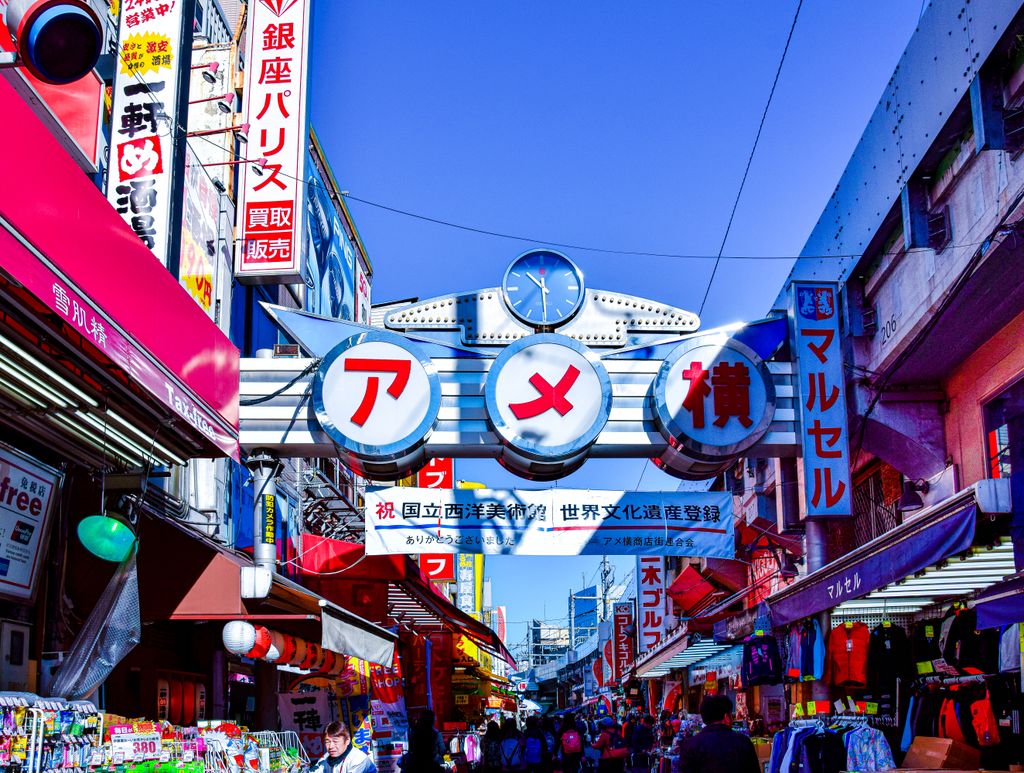
Ameyoko Market
This market is chaos in the best way possible. It is tucked under the train tracks and feels like a total different vibe to the rest of the neighborhood. It is loud, crowded at times, and packed with everything from cheap sneakers to street food stalls.
The Experience: Go here if you want to see a side of Tokyo that isn’t polished or curated. It is best enjoyed by just walking through without a destination and seeing what catches your eye.
Cost: Free to walk.
Getting There: Runs along the Yamanote line tracks between Ueno and Okachimachi stations.
Shitamachi Museum
If you want to see how people actually lived in this part of town, this is the place. They have life-size, immersive replicas of traditional merchant houses and workshops from the mid-1900s. You can step inside the rooms and look at how things were laid out.
The Experience: It does not feel like a dusty museum—it feels like you just walked into someone’s home from seventy years ago.
Cost: 300 yen.
Getting There: On the edge of Shinobazu Pond, about a 5-minute walk from Ueno Station.
Kyu-Iwasaki-tei Garden
This is a bit of a walk from the main park, but it is worth it. It is the former estate of the founder of Mitsubishi. You get a mix of a Western-style Victorian mansion and a traditional Japanese residence connected by a path. It shows exactly how the elite lived when Japan was modernizing in the late 1800s.
The Experience: It is quiet, it is old, and it feels very removed from the modern city. The architecture clash between the two houses is the real highlight.
Cost: 400 yen.
Getting There: About a 10-minute walk from the north end of Ueno Park.
Where to wander in Ueno
This is the part of the city that doesn’t have an entrance fee, where you can get lost in your surroundings and be rewarded with whatever comes your way. It is just about the atmosphere you find when you stop looking at the map—the side of the city that may not be in the brochure.
Ueno Park & Shinobazu Pond
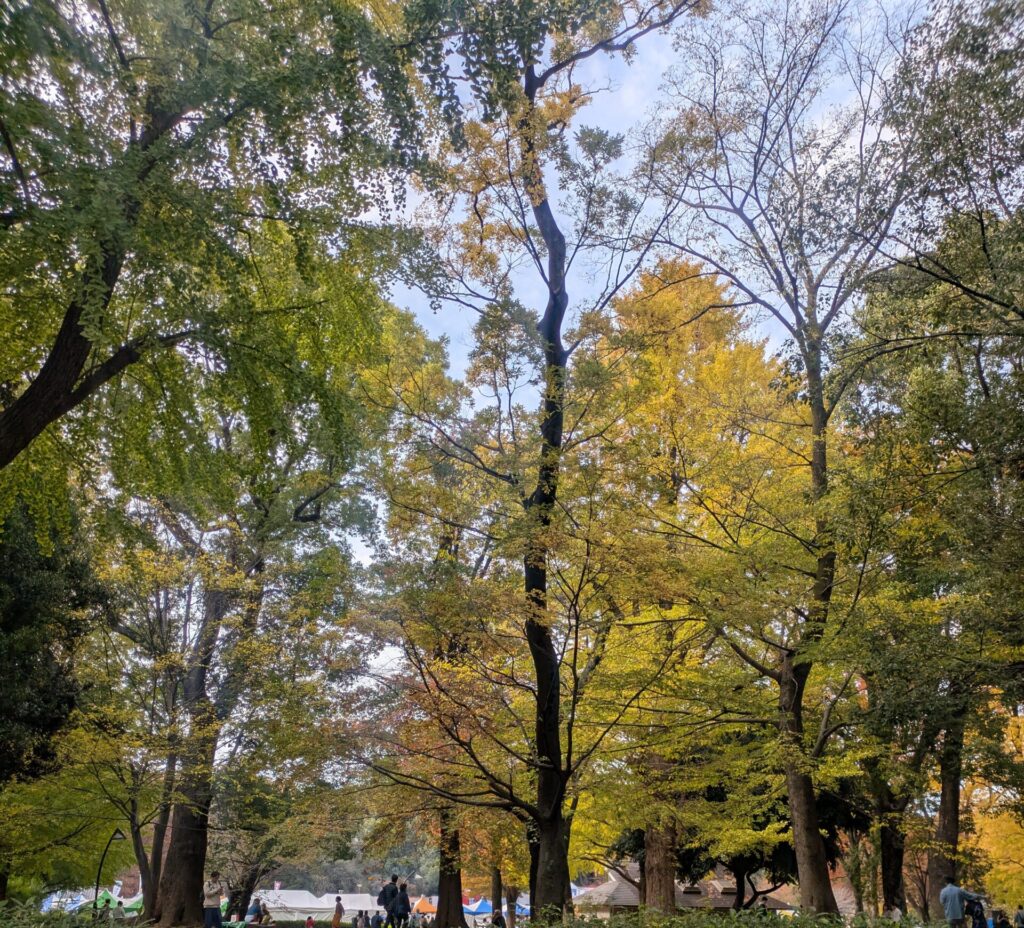
This is the heart of the neighborhood, but it is far more than just a public green space. It is massive, filled with hidden paths, and serves as the perfect place to just lose track of time.
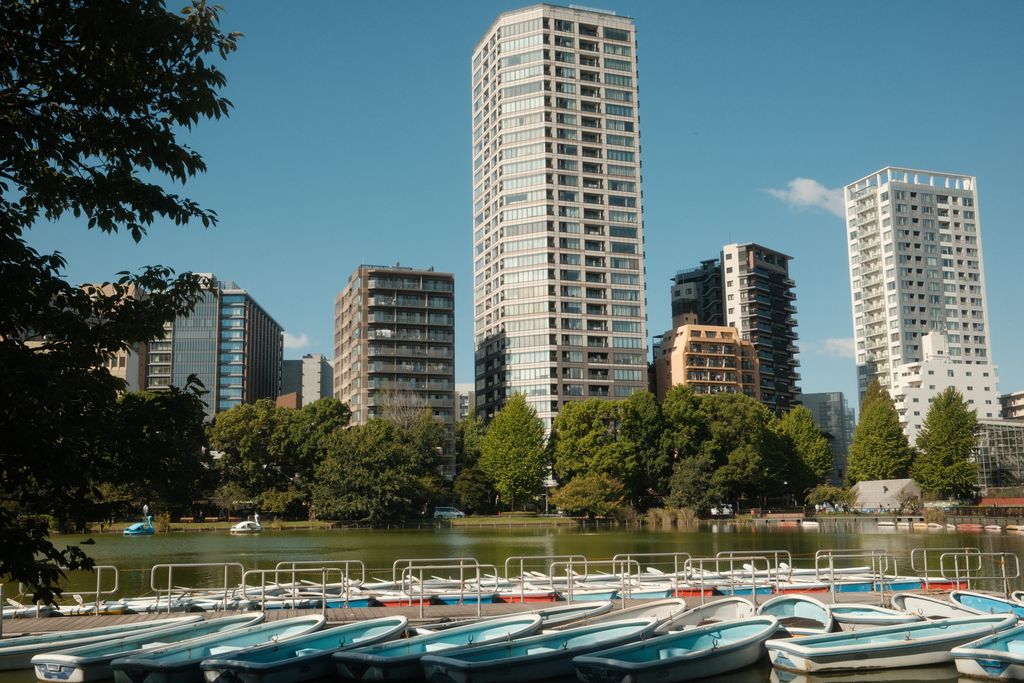
You’ll find a massive natural escape right in the middle of the city. You might see people renting pedal boats to drift around the lotus pads, or locals finding a quiet bench to watch the day go by. There is no “right” way to do it; just walk the perimeter or cut through the wooded paths whenever the mood strikes. It is the best place to start or end your day.
Kiyomizu Kannon-dō Temple
This temple has a great deck that looks out over the park. It is a bit elevated, so you get a nice perspective of the area without the crowd. It feels grounded and old in a way that is hard to find in such a busy part of the city.
It feels quiet and removed from the modern city noise. While you are there, look for the moon-viewing pine—a curved tree that perfectly frames the view of the Shinobazu Pond below.
Marishiten Tokudaiji Temple
This is a total surprise. It is tucked away right in the middle of the busy shopping district near the market, accessed by a stone staircase. You are in the middle of the city hustle, then you climb a few steps and you are in a temple.
It is very small, but it feels like a secret refuge from the noise of the market just below. Walking up those stairs is a sudden shift from chaos to total stillness. Don’t look for a massive landmark; just keep an eye out for the small stone signage near the stairs in the middle of the market hustle—that is how you find it.
A few quick tips
- Mind the terrain: The park is a bit hilly, so you’ll be handling more stairs and slopes than you might expect. Wear comfortable shoes, especially if you’re planning to walk from the Ueno side over toward Nezu or the gardens.
- Time your visit: Ueno Park and the markets can get very busy during peak hours. In the summer, avoid the midday heat by hitting the museums or the market early. In the cooler months, the middle of the day is actually the best time to soak up the sun in the park, while the early mornings can be quite brisk.
- Keep some cash handy: While big hotels and museums take cards, the best little izakayas tucked into the alleys of Ameyoko or near Uguisudani often don’t. Keep some yen on you so you dont have to run and find an ATM.
Final thought on Ueno
Although I’ve stayed in many different neighborhoods in Tokyo, when people ask me what’s the easiest place to stay, or if they have kids, I say Ueno. It’s safe, has some great things to do within the neighborhood if you can’t be bothered trapezing across the city, and it is so well-connected that you can basically get anywhere with ease. If its your first time in Tokyo, Ueno is definitely a nice place to ease yourself in, but its not just for the first timers – Ueno is like a reliable friend that you can always count on, nothing flashy, just good quality and everything you need.
If you’re looking to explore more of the city’s different neighborhoods, you can check out my overview of the best places to stay in Tokyo to see what else fits your style.